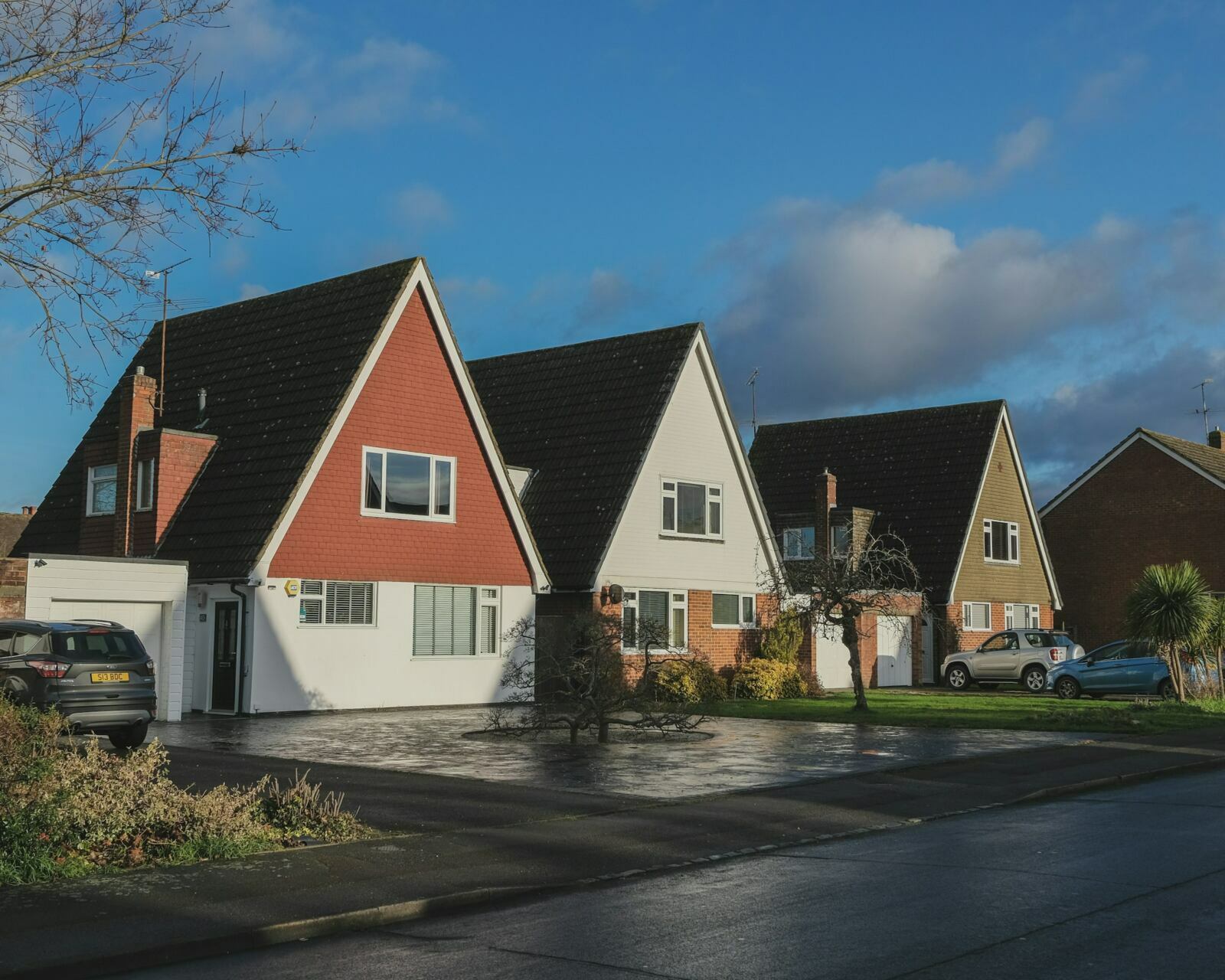

If you have been watching the housing market from the sidelines, waiting for some kind of signal that conditions might shift in your favor, the latest numbers from the nation's homebuilders are worth your attention.
The National Association of Home Builders released its monthly Housing Market Index on September 16, and the headline number tells a clear story: builder confidence in the market for newly built single-family homes fell three points to 32. That is the lowest reading since September 2025, according to the NAHB/Wells Fargo survey.
A score below 50 means more builders view conditions as poor than good. At 32, the index is not just below that threshold. It is well below it. And the details underneath that top number matter even more if you are a buyer thinking about new construction.
What the Numbers Actually Show
The NAHB survey breaks builder sentiment into three components: current sales conditions, expectations for the next six months, and prospective buyer traffic. All three paint the same picture.
The index measuring current sales conditions fell four points to 35 in September, according to the NAHB report. The index gauging expectations for sales over the next six months dropped six points to 37. And the index tracking prospective buyer traffic held steady at 23, a number that has been stuck in the low twenties for months.
That last figure deserves a closer look. A buyer traffic reading of 23 means that builders across the country are seeing far fewer people walking into model homes and sales offices than they would in a balanced market. When foot traffic is that low, builders start doing things they would never do in a strong market.
Builders Are Already Cutting Prices
According to the September NAHB survey, 38 percent of builders reported cutting home prices during the month, up from 35 percent in August. The average price reduction held at 6 percent for the sixth consecutive month. And 66 percent of builders reported using some form of sales incentive in September, up from 63 percent in August and the highest share since 67 percent was recorded in December of last year.
Those incentives take different forms depending on the builder and the market. Some cover closing costs. Some buy down your mortgage rate for the first year or two. Some throw in upgrades that would otherwise cost tens of thousands of dollars. The common thread is that builders are competing for a smaller pool of buyers, and they are willing to put real money on the table to close deals.
The NAHB noted in its September release that higher mortgage rates, worsening labor shortages and rising material costs are weighing on builder sentiment. Bill Owens, the association's chairman and a builder from Worthington, Ohio, said that buyer traffic has weakened across much of the country, largely because of rising mortgage rates.
Robert Dietz, the NAHB's chief economist, added that the HMI shows builder confidence at its lowest level since September 2025, as tight lending conditions and elevated land, labor and construction costs persist. He also noted that 42 percent of builders rated current lot availability as poor and 38 percent rated it as fair.
Why This Matters If You Are Shopping for a Home
You do not have to be in the market for new construction to benefit from this shift. When builders cut prices and pile on incentives, it puts pressure on the entire local market. Sellers of existing homes have to compete with those builder offers, and that gives you more room to negotiate no matter what kind of home you are looking at.
But if you are open to new construction, the current environment creates a window that may not stay open indefinitely. A 6 percent price cut on a $350,000 home, for example, is $21,000. Combine that with a rate buydown or a closing cost credit and the total value of the incentive package can be significant.
The broader market data reinforces this picture. The Mortgage Bankers Association reported on October 1 that mortgage applications decreased 6 percent for the week ending September 25. Fewer applications mean fewer competing buyers in the pipeline, which works in your favor whether you are buying new or resale.
Freddie Mac's Primary Mortgage Market Survey, released October 1, showed the 30-year fixed rate mortgage averaging 7.28 percent, up from 7.03 percent the week before and up from 6.34 percent a year ago. That increase is real and it affects your monthly payment. But it is also one of the reasons builders are so willing to negotiate right now. They see the same rate environment you do, and they know it is keeping buyers away.
What to Watch Before You Make a Move
The September jobs report, released by the Bureau of Labor Statistics on October 2, showed nonfarm payrolls rising by just 29,000, well below the 84,000 that economists had expected, according to CNBC. The unemployment rate ticked up to 4.2 percent from 4.1 percent the month before. A cooling labor market can put downward pressure on interest rates over time, though the timing and magnitude of any such move is never certain.
If you are considering new construction, there are a few things worth doing right now. First, visit model homes in your target area and ask specifically about current incentives. Builders change their offers frequently, and the deals available today may not be the same ones available next month. Second, get a full cost comparison that includes not just the sticker price but also the total cost of ownership: principal, interest, taxes, insurance, and any HOA fees. A builder incentive that buys down your rate for two years looks different when you calculate what your payment will be in year three.
Third, if you are comparing new construction to an existing home, factor in the age of the major systems. A new home comes with new HVAC, a new roof, new appliances, and a builder warranty. An existing home at a lower price point may need significant maintenance spending within the first few years. Neither option is automatically better, but the comparison has to account for more than just the purchase price.
The Bigger Picture
Builder confidence surveys are not crystal balls. They measure how builders feel about the market at a single point in time, and sentiment can shift quickly in either direction. But when nearly two out of every five builders in the country are cutting prices and two out of every three are offering incentives, that tells you something concrete about the current balance of power between buyers and sellers in the new construction market.
For most of the past four years, that balance has tilted heavily toward sellers and builders. Inventory was scarce, demand was high, and buyers had to take what they could get at whatever price was offered. The September NAHB data, combined with rising inventory and falling mortgage applications, suggests that the dynamic is different right now.
That does not mean you should rush into a purchase you are not ready for. It means that if you have been doing your homework, saving for a down payment, and waiting for conditions to improve, the new construction market is offering concessions today that were not on the table six months ago. Whether those concessions last through the winter or disappear with the next shift in rates is something nobody can tell you with certainty.
What the data can tell you is where things stand today. And today, builders want your business badly enough to pay for it.