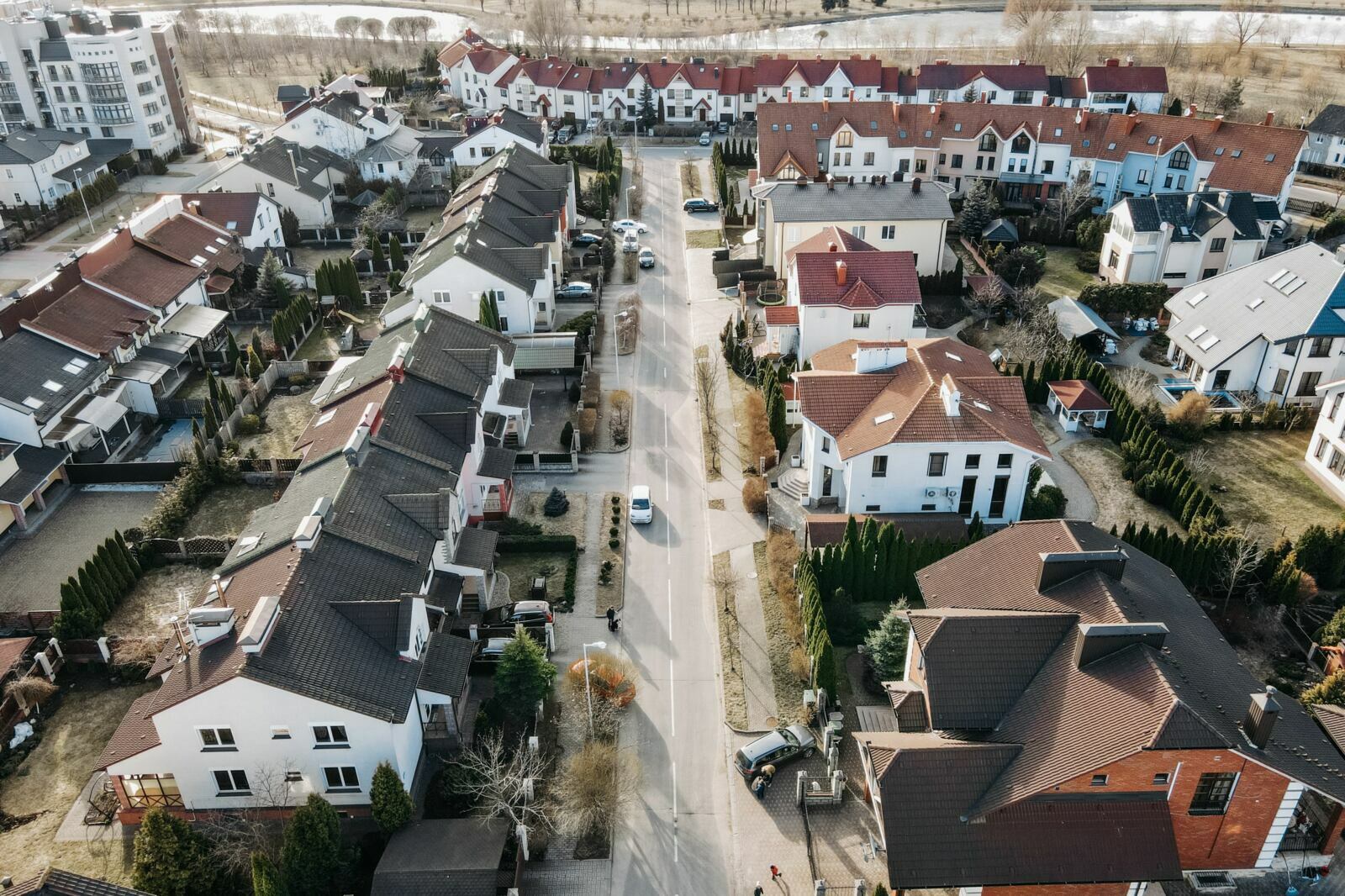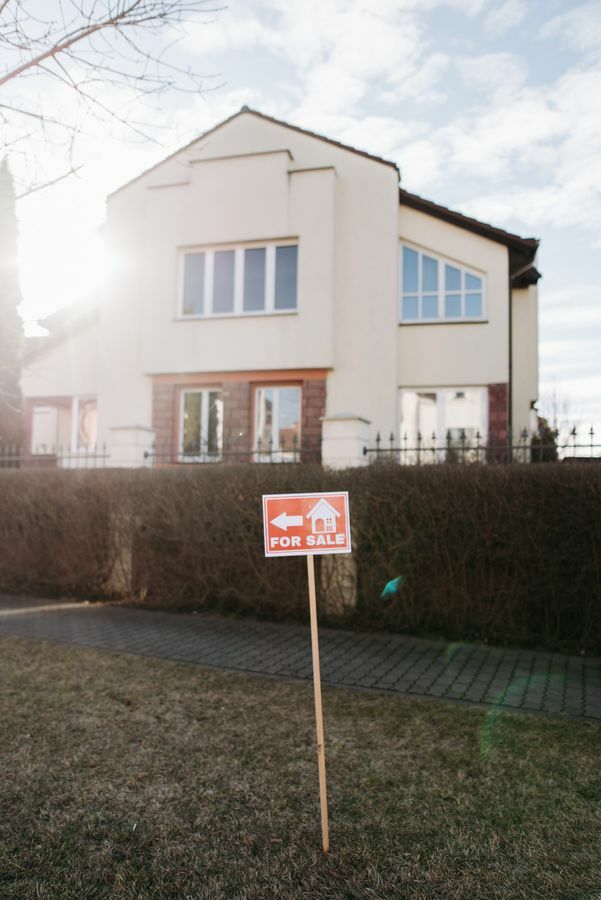

If you have been waiting for a sign that the housing market is shifting in your favor, October's data is the clearest one yet. It is not a green light to rush in, but it is a meaningful change in the balance between buyers and sellers, and it is worth understanding before you make your next move.
The National Association of Realtors reported on November 13, 2026, that existing-home sales fell to a seasonally adjusted annual rate of 3.75 million in October, down 5.5 percent from September's revised pace of 3.97 million and 8.8 percent below a year ago. That is the lowest sales pace since August 2010, during the tail end of the Great Recession's housing fallout. Sales dropped in every region of the country on a year-over-year basis, with the West posting the steepest decline at 14.5 percent.
The headline sounds bleak, and for anyone trying to sell a home right now, it is a difficult environment. But for buyers, fewer transactions do not automatically mean fewer opportunities. In fact, the opposite is happening on the inventory side of the ledger.
Unsold inventory climbed to 1.59 million housing units in October, up 1.3 percent from September and 4.6 percent from a year earlier. That translates to 5.1 months of supply at the current sales pace, the highest reading in 11 years. A year ago, the market sat closer to four months. Six months is the level economists generally consider balanced between buyers and sellers. The gap is closing, and it is closing because demand pulled back while supply kept building.
What that means in practice is that you have more homes to look at, more time to look at them, and less pressure to offer above asking price. NAR's data showed only 29 percent of homes sold above list in October, unchanged from a year ago but well below the bidding-war era of 2021 and early 2022. Meanwhile, 21.2 percent of active listings had already taken a price cut, up from 20.6 percent a year earlier. Sellers are adjusting. Not all of them, and not fast enough in some markets, but the trend is unmistakable.
The affordability picture is still the hard part. Freddie Mac's Primary Mortgage Market Survey for the week ending November 19, 2026, put the average 30-year fixed mortgage rate at 7.28 percent, up from 7.11 percent the week before. That reversed a four-week decline and pushed the rate back toward levels not seen since early October. On a 400,000 dollar loan, the difference between 7.11 percent and 7.28 percent is roughly 44 dollars a month in principal and interest. It is not a dealbreaker on its own, but it adds up over time and it signals that rates are not heading straight down.
NAR Chief Economist Lawrence Yun acknowledged the tension directly. "Homebuying is difficult when mortgage rates have climbed to their highest levels since 2000, aside from a single month in 2023," he said. But he also pointed to what is building underneath the surface. "Based on the current underwhelming home sales pace at a time of consistent job growth, there could be sizable pent-up demand if mortgage rates decline."
That pent-up demand is real, and it is a double-edged factor for anyone searching right now. If rates do drop meaningfully in 2027, more buyers will re-enter the market and that extra inventory could get absorbed quickly. First-time buyers already shrank from 31 percent of sales in September to 29 percent in October, while all-cash purchases rose to 29 percent. Cash buyers are not waiting for rate relief. They are acting now, in a less competitive environment, with more leverage than they have had in years.
Here is how to use this information if you are actively shopping.
First, recognize that 5.1 months of supply gives you negotiating room that did not exist six months ago. You do not need to waive inspections or escalate above ask to stay competitive in most markets. Take the time to make an informed offer based on comparable closed sales, not on what other sellers are listing for.
Second, run the payment math at today's rate, not at the rate you hope for next spring. If the monthly number works for your budget at 7.28 percent, any future rate drop becomes a refinance opportunity rather than a gamble you are counting on. If it does not work at today's rate, that is useful information too, and it is better to know it before you are under contract.
Third, pay attention to how long a home has been listed. With median days on market stretching and price cuts becoming more common, homes that have sat for 30, 45, or 60 days represent a different conversation than a fresh listing. A seller who has watched traffic slow for six weeks is often more flexible on price, closing costs, or repair credits than the data averages suggest.
Fourth, do not let the headline scare you out of the market entirely. A 16-year low in sales volume does not mean prices are collapsing. The national median sale price was 416,700 dollars in October, still up 0.4 percent from a year ago. Values are holding because inventory, while growing, has not overwhelmed demand. The market is slower, not broken, and slower markets historically favor patient, prepared buyers.
The October data confirms something that has been building since late summer: the housing market is recalibrating. Rates are high, transactions are down, and sellers are starting to meet buyers where they actually are. None of that makes buying a house easy. But it does make buying a house on your terms more possible than it has been in years.
Get started here: https://housejet.com/partner