
There's something genuinely exciting about buying a brand-new home. Nobody has lived there before you. Everything is clean, fresh, and under warranty. You get to pick your finishes, choose your lot, and watch the whole thing come together from the ground up. For a lot of buyers, it's a dream come true.
But like anything in real estate, the process has its own quirks — and if you go in without knowing what to expect, you might find yourself caught off guard. So let's walk through how it all works, what's great about it, and where you'll want to keep your eyes open.
How the New Construction Buying Process Actually Works
When you buy a new construction home, you're typically starting the conversation at the builder's sales office — not with a traditional listing agent. The builder will walk you through their available floor plans, available lots, and the different communities they're building in.
From there, you'll usually sign a purchase agreement and put down a deposit to reserve your lot and lock in your floor plan. This is your first big milestone, and it's also where things start to feel very real very fast.
Next comes the fun part for most buyers: the design center appointment. This is where you choose your flooring, countertops, cabinetry, fixtures, and all the other finishes that will make the house feel like yours. Fair warning — design center appointments can be overwhelming. There are a lot of decisions to make in a short amount of time, and upgrades add up quicker than you'd think.
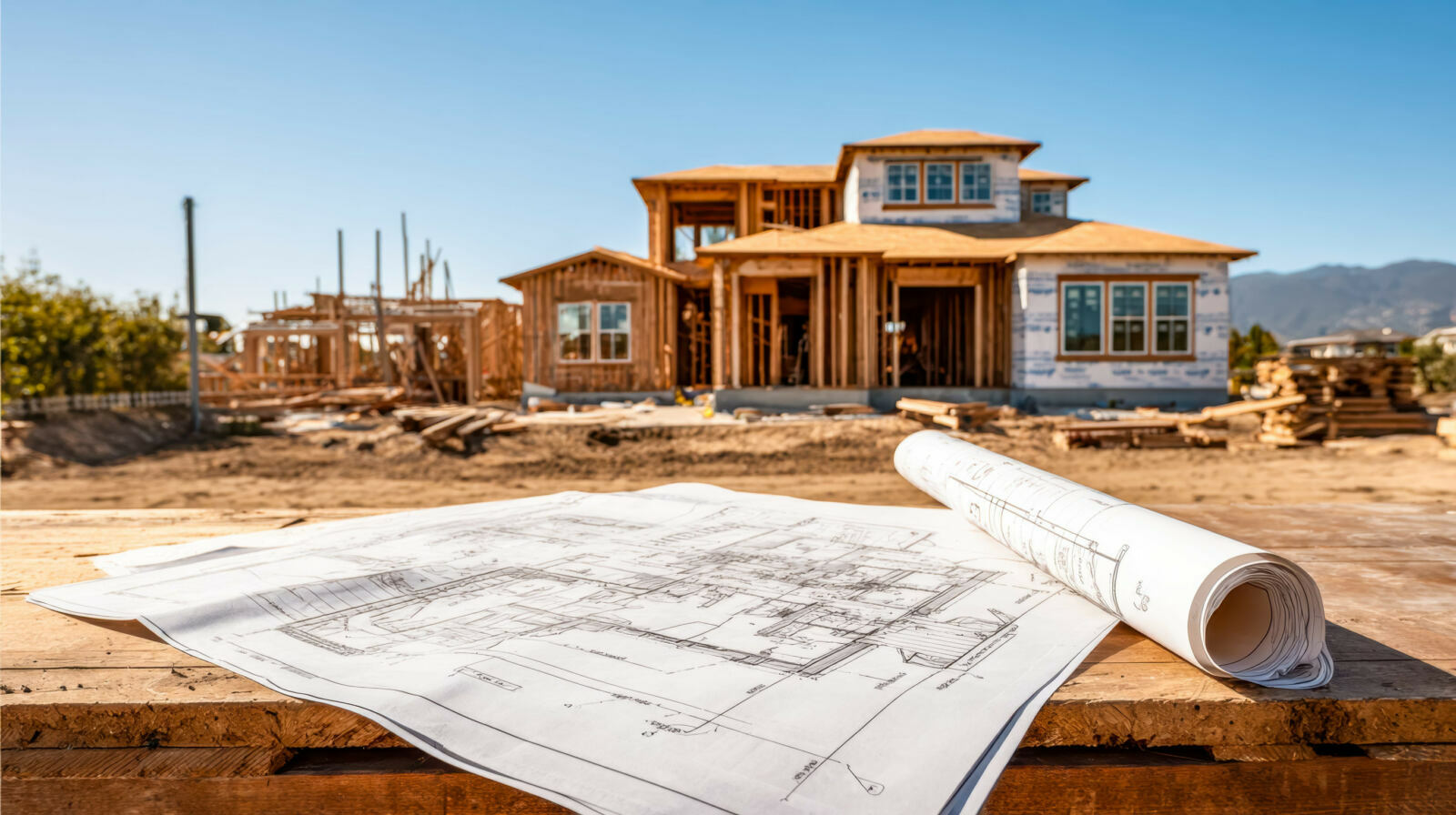
After selections are made, construction begins. Depending on the builder and the market, you could be looking at anywhere from four months to over a year before your home is ready. During that time, you'll likely have a few scheduled walkthroughs — a pre-drywall inspection and a final walkthrough before closing are both standard.
At closing, you'll do one last walk of the home to create a punch list of anything that needs to be addressed, and then you'll sign the paperwork and get your keys. From that point on, you're a new construction homeowner.
The Upside: Why So Many Buyers Love New Construction
The appeal is easy to understand. When you buy new construction, you're getting a home that's built to current code, outfitted with modern systems, and covered by a builder's warranty. That warranty typically covers structural components for ten years and systems like HVAC and plumbing for two. It's a layer of protection that resale homes simply can't offer.
Energy efficiency is another big draw. New homes are built with better insulation, modern windows, and high-efficiency appliances and systems. Your utility bills will often be noticeably lower than they would be in an older home of comparable size.
There's also the peace of mind that comes with knowing your home's history. Nobody flipped it, nobody deferred maintenance, nobody had a mystery leak in the basement. It's clean from day one.
And for buyers who have strong opinions about how a home looks and feels, the ability to customize finishes is a major perk. You're not repainting someone else's choices or ripping out carpet you can't stand. You get to start with a blank slate.
The Drawbacks: What to Watch Out For
Here's where buyers sometimes feel blindsided. New construction isn't without its headaches.
For starters, the builder's contract is not the same as a standard purchase agreement. It's written by the builder's attorneys, for the builder's protection. Deadlines, deposit terms, and provisions about delays tend to heavily favor the builder. It's common to see clauses that allow the builder to push back the completion date without penalty — sometimes more than once.
Upgrades are another place where costs can spiral. What's shown in the model home is rarely what's included at the base price. Countertops, flooring, lighting packages — many of those are upgrades, and they come with a significant markup compared to sourcing them yourself after closing.
Then there's the issue of community infrastructure. In a brand-new development, you might be moving in before the roads are fully finished, the landscaping is mature, or the neighborhood amenities are complete. You'll be living in a construction zone for a while, and that's just part of the deal.
One item of note. The builder often has a clause in their contract that gives them the flexibility to extend the closing date for a number of reasons: weather, building supplies, labor availability, etc. Any delay could very well impact your move-in date and create havoc for you whether you have a lease that's ending or a home sale pending. Be sure you plan accordingly and that you have an agent who can advocate for you in the event the delays get extensive.
Finally, there's resale. In a community where the builder is still actively selling new homes, you may have a harder time competing with them if you ever need to sell quickly.
A Word From HouseJet's CEO
"Buying a new construction home is one of the most exciting things you can do as a buyer — and if you have the opportunity, I'd absolutely encourage it. But even with all the planning in the world, almost every new construction buyer looks back and wishes they'd done at least a couple of things differently. Maybe they wish they'd upgraded the electrical panel when they had the chance. Maybe they skipped a finish they later regretted. That's just part of the experience. Go in with open eyes, soak up the process, and don't let the small stuff steal the joy of something that's genuinely worth celebrating." — Mike Oddo, CEO, HouseJet
HouseJet's Recommendation: Bring Your Own Agent
One thing we can't stress enough — bring a buyer's agent with new construction experience to represent you.
The salespeople you'll meet at the builder's office are professionals, and they're often great at their jobs. But their job is to represent the builder. They're there to sell homes for that company, protect that company's interests, and maximize that company's profit. That's not a criticism — it's just the reality of how the relationship works.
You deserve someone at the table who is working exclusively for you.
An experienced buyer's agent who has helped clients through new construction deals will know how to read the builder's contract, which upgrades are actually worth paying for, what's negotiable even when the builder says nothing is, and how to protect you if things go sideways during construction. They can also help you find a qualified third-party inspector for your pre-drywall walkthrough — something builders don't always advertise that you're entitled to arrange.
Best of all, in most new construction deals, the builder pays the buyer's agent commission. Having representation doesn't typically cost you anything extra out of pocket.
At HouseJet, we can connect you with an agent in your area who knows the new construction landscape and will go to bat for you from day one through closing day.
Buying new construction is one of the most rewarding experiences in real estate. The key is going in prepared — knowing the process, understanding the tradeoffs, and having the right people in your corner. Do that, and you'll have every reason to love where you land.