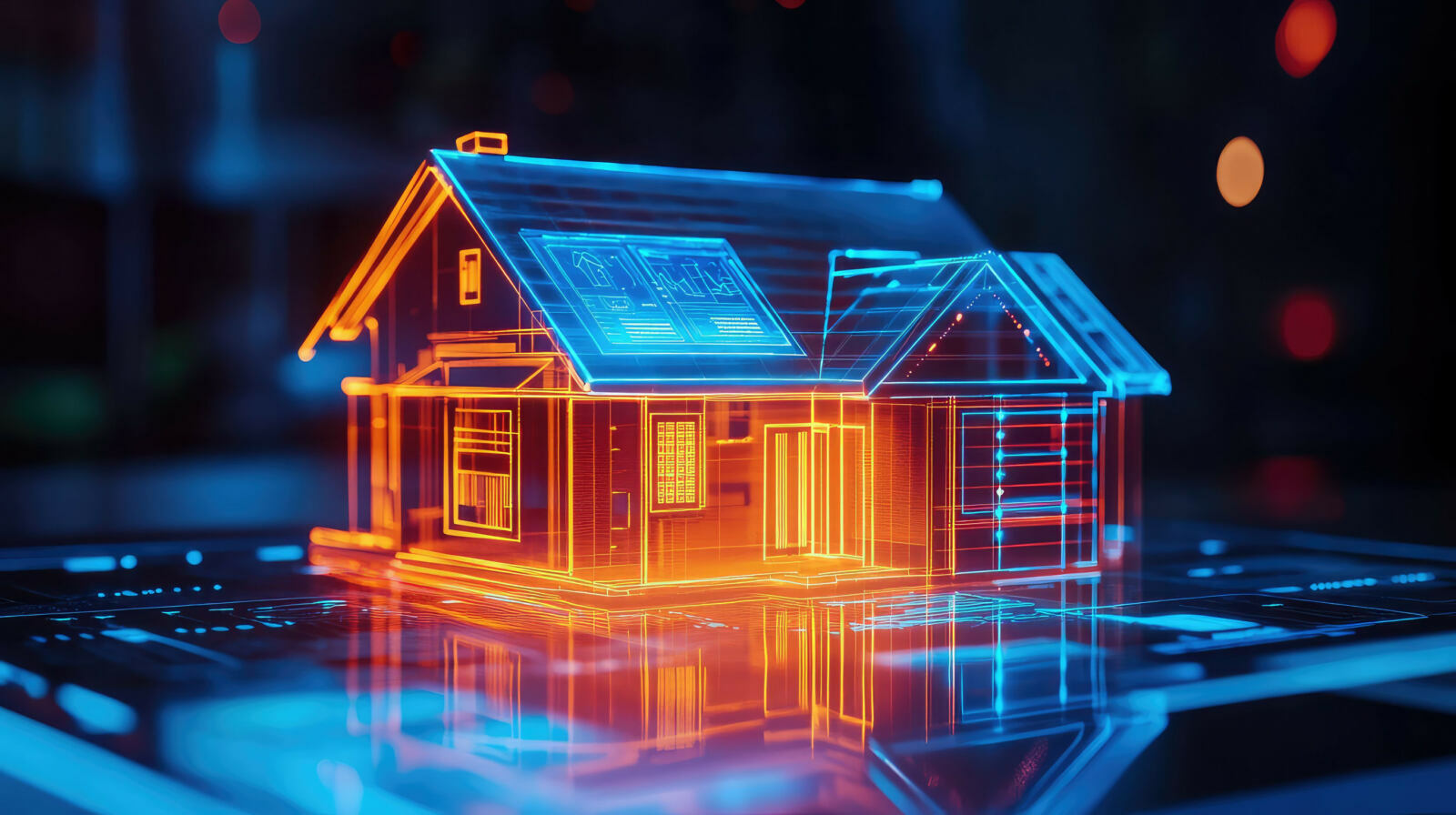

Remember when buying a home meant spending your entire Saturday driving around to open houses, trying to remember which one had the good kitchen and which one had that weird smell? Those days aren't completely gone, but they're fading fast. Virtual reality is quietly reshaping the way people shop for homes, and the shift is bigger than most buyers and sellers realize.
This isn't about flashy gadgets for the sake of flashy gadgets. It's about real tools that save time, reduce stress, and help people make smarter decisions about what is, for most of us, the biggest purchase of our lives.
From Open House to Virtual House
Not long ago, a "virtual tour" meant a slideshow of still photos on Zillow. Then came the 360-degree photo tours, where you could at least spin around and peek into the corners of a room. That was an upgrade, but it still felt flat. You got images, not experience.
True virtual reality tours are a whole different animal. Put on a VR headset — or in many cases, just open an app on your phone or laptop — and you're walking through a home. You move from room to room. You stand at the kitchen sink and look out the window. You get a real sense of how the light falls in the living room at noon. It's closer to actually being there than anything we've had before, and it's changing buyer behavior in some pretty significant ways.
What's Actually Out There Right Now
This technology isn't some far-off concept. It's being used by real estate companies, builders, and agents across the country today. Here are some of the most notable examples making waves in the market.
Matterport has become one of the most widely recognized names in real estate virtual tours. Their 3D scanning technology lets photographers capture a home in stunning detail, creating what they call a "digital twin" of the property. Buyers can walk through the space, switch to dollhouse view to see the entire floor plan at once, or pull up exact measurements of any room. Thousands of agents are already using Matterport scans as a standard part of their listings.
Zillow's 3D Home Tours brought this capability to a massive audience by integrating immersive tours directly into their platform. Using just a smartphone, agents or homeowners can create tours that buyers can explore right from the Zillow app. Given how many buyers start their search on Zillow, this was a game-changer for accessibility.
New construction builders have been some of the most aggressive adopters of full VR experiences. Companies like Lennar and Toll Brothers have used VR showrooms where buyers can tour a home that hasn't been built yet, choose finishes, swap out flooring, change cabinet colors, and see how it all looks in real time. For someone buying new construction, this removes a huge amount of guesswork that used to make the process nerve-wracking.
Rex and other tech-forward brokerages have experimented with fully virtual open houses where buyers from anywhere in the country can attend a live, guided tour of a property — with an agent narrating in real time and buyers asking questions through the app. Think of it like a Zoom call, but you're actually walking through the house together.
Why This Matters for Buyers
The most obvious benefit is convenience. A buyer relocating from another city can tour twenty homes in an afternoon without booking a single flight. A busy parent can do a walkthrough after the kids go to bed. Someone who fell in love with a listing on a Tuesday can check it out that same day instead of waiting for the weekend.
But beyond convenience, VR tours are helping buyers make more confident decisions. When you've spent twenty minutes walking through a home virtually, you arrive at the in-person showing with a much clearer picture of what you're looking at. You already know the layout works for your family. You've already confirmed the master bedroom is big enough. The in-person visit becomes about the details — the neighborhood feel, the sounds, the things no camera can fully capture.
There's also a filtering effect happening. Buyers who take a virtual tour before scheduling an in-person showing tend to be more serious. They've already done the mental work of imagining themselves in the space. Agents are reporting that buyers who tour virtually first are more likely to move forward with an offer — and faster.
Why This Matters for Sellers
If you're selling a home, this technology works in your favor in ways that might surprise you. A high-quality virtual tour keeps your listing active and engaging around the clock. While comparable homes are sitting with a photo gallery, yours has an experience attached to it. An ageny is likely going to charge you a premium for these services and the fee will be well worth the investment as it will help get more buyers through your home.
Listings with 3D virtual tours consistently see more views online, longer engagement times on listing pages, and more inquiries from qualified buyers. Some research has suggested that homes with immersive tours sell faster than those without — which in a market where days on market matters, is a real advantage.
There's also the out-of-state buyer angle. A huge percentage of home purchases today involve buyers relocating from another market. These buyers often can't visit in person multiple times before making an offer. A strong virtual tour gives them the confidence to act, which means your seller pool just got a lot bigger.
A Word From HouseJet CEO Mike Oddo
We asked HouseJet CEO Mike Oddo what he makes of all this technological movement in real estate, and he didn't hold back:
"Technology in real estate moves faster than most people realize, and what's cutting-edge today can feel standard within a year or two. The best thing any buyer or seller can do right now is have an honest conversation with their agent about what tools are available to them — because a great agent isn't just going to list your home or show you houses. They're going to use every resource at their disposal to get you the best result possible. Ask questions. Ask your agent what technology they're using, how they're marketing your property, and how they're helping you compete in this market. The answers will tell you a lot."
That's advice worth taking seriously. Not every agent is leveraging these tools at the same level, and the gap between those who are and those who aren't is growing.
The Horizon: What's Coming Next
We're still in the early chapters of this story. Artificial intelligence is beginning to merge with virtual tour technology in ways that will make the experience even more personalized. Imagine a tour that adapts to your preferences in real time — highlighting storage features if you've flagged that as a priority, or automatically showing you the backyard dimensions when the listing notes a large yard.
Augmented reality is also making inroads. Rather than replacing what you see, AR overlays information onto it. Point your phone at a living room wall and see what a fresh coat of your chosen paint color would look like. Walk through a vacant home and watch it furnish itself based on your style preferences.
The line between shopping for a home and experiencing a home is going to keep blurring, and buyers and sellers who understand that will be better positioned than those who don't.
HouseJet's Insights
Staying current on the technology reshaping real estate doesn't require a tech background — it just requires knowing where to look. HouseJet recommends that buyers and sellers regularly visit sites like nar.realtor, inman.com, realestatenews.com/tech for up-to-date resources, articles, and insights on the tools and trends influencing today's real estate market. Our team stays on top of what's working, what's new, and what actually makes a difference for the people using it — so you don't have to sort through the noise on your own.
Whether you're buying, selling, or just starting to think about your next move, being informed about the technology available to you is one of the smartest things you can do.