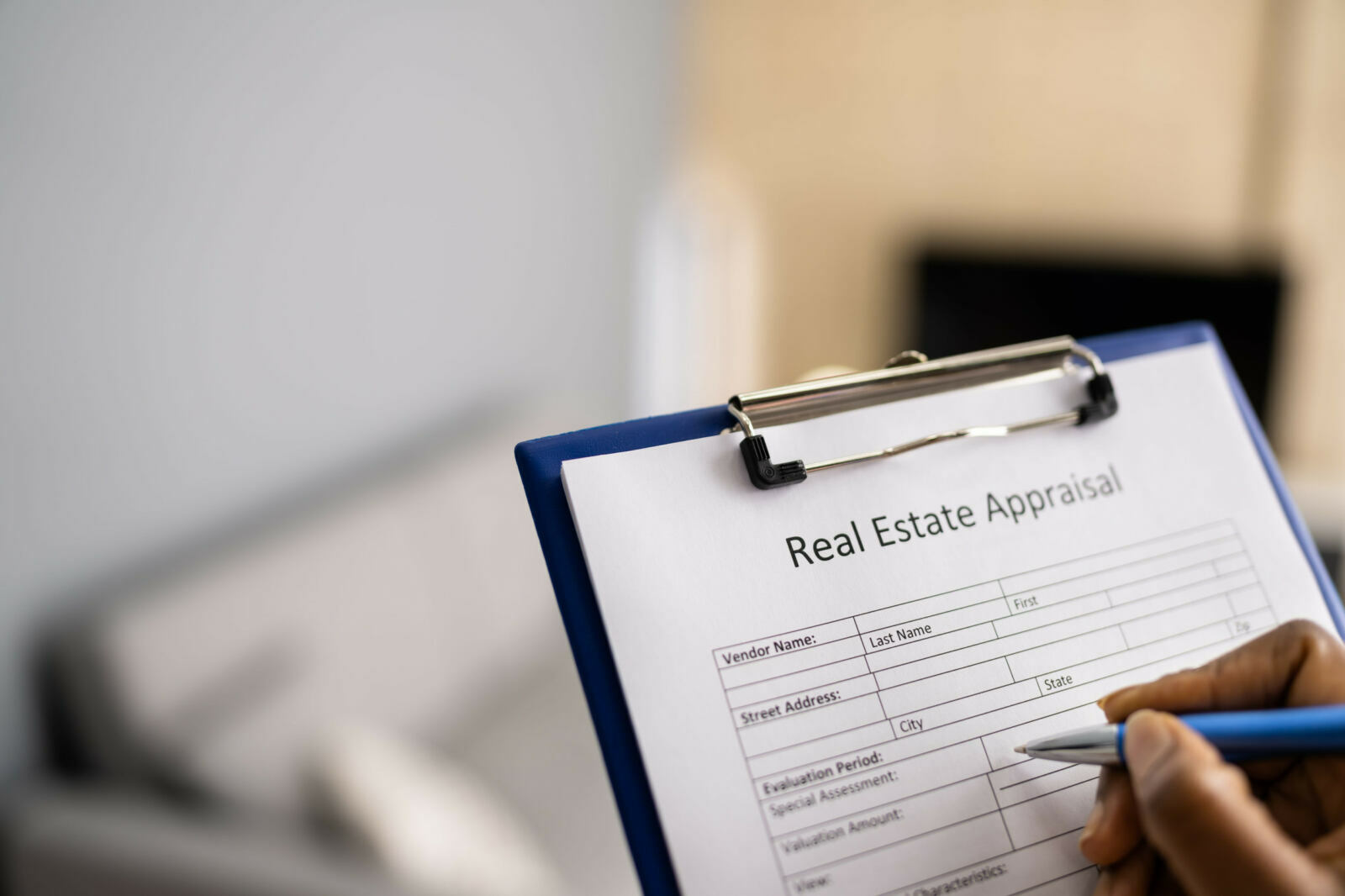

So you found the house. You made the offer, the seller accepted, and you're riding that wave of excitement that comes with being under contract. Then the appraisal report lands — and the number staring back at you is lower than your purchase price. Suddenly that wave feels a lot choppier.
A low appraisal doesn't automatically kill your deal, but it does throw a wrench into things. The good news is that buyers have more options than they might realize. Let's walk through what's actually happening when an appraisal comes in low, why it's been happening more often lately, and what you can do when it happens to you.
What Is a Home Appraisal, Really?
When you're financing a home purchase with a mortgage, your lender isn't just taking your word for it that the house is worth what you agreed to pay. They hire a licensed, independent appraiser to go out and determine the property's fair market value. That number is what the lender is actually willing to base your loan on.
Here's where the problem shows up: if you agreed to pay $425,000 for a home and the appraiser says it's only worth $400,000, your lender will typically only loan against that $400,000. The $25,000 gap in between? That suddenly becomes your problem to solve.
Why Are Appraisals Coming In Low More Often?
This is a fair question, and the answer has a lot to do with where the housing market has been over the last few years.
Appraisers rely heavily on comparable sales — homes similar in size, condition, and location that have recently sold. The challenge is that in a market where prices have been shifting, the comps available to an appraiser might not fully reflect what buyers are willing to pay right now. Appraised values are backward-looking by nature. They're based on what similar homes have sold for, not necessarily what they're selling for today.
Add to that the reality that mortgage rates have been elevated, which has put some softness into certain price ranges and markets. In areas where prices climbed aggressively during the pandemic boom years and have since leveled off or dipped, appraisers are working with a more complicated picture. They're often being cautious, which can result in values that don't quite line up with what buyers and sellers have agreed upon.
None of this means the appraiser is wrong. They're doing their job. But it does mean that appraisal gaps have become a more common bump in the road for today's buyers.
Your Options When the Appraisal Falls Short
Here's the thing: there's no single right answer here. The best path forward depends on your financial situation, how much you want the house, and what your seller is willing to do. Let's go through the main options.
1. Negotiate a Price Reduction
This is the first conversation most buyers want to have. If the appraisal says the home is worth $400,000 but you're under contract at $425,000, it's entirely reasonable to go back to the seller and ask them to meet the appraised value. After all, the appraiser — a neutral third party — just said the house isn't worth what you agreed to pay. That's a legitimate argument at the negotiating table.
Some sellers will agree to this, especially if they're motivated and the alternative is the deal falling apart. Others will push back, particularly if they received multiple offers or believe the appraiser missed something. It's a negotiation, not a guarantee.
2. Split the Difference
Sometimes the seller won't budge all the way to the appraised value, but they'll meet you somewhere in the middle. Using our same example, maybe the seller comes down to $412,500 and you agree to cover the remaining $12,500 gap out of pocket. This can work if you have the cash available and you genuinely believe the house is worth the premium.
3. Cover the Appraisal Gap Yourself
If you love the home and have the financial flexibility, you can simply pay the difference in cash. Essentially, you're telling the lender: "I know you'll only loan against $400,000, so I'll bring an extra $25,000 to the table at closing." Some buyers in competitive markets actually include an appraisal gap clause in their original offer, committing up front to cover a certain amount of any shortfall. It's a bold move, but it's also a reality check on whether the price you agreed to was grounded in the market.
4. Challenge the Appraisal
This option doesn't work as often as buyers hope, but it's worth knowing about. If you believe the appraiser made a factual error — used the wrong square footage, missed a recent comp, overlooked significant upgrades — you or your agent can formally dispute the report. This is called a Reconsideration of Value (ROV), and your lender facilitates the process.
To have any real shot at success, you need to come with specific data: recent comparable sales that support a higher value, documented errors in the original report, or market evidence the appraiser may not have considered. A general feeling that the number seems too low won't move the needle. Hard evidence might.
5. Order a Second Appraisal
In some situations — particularly if the first appraisal seems wildly off base — your lender may allow for a second appraisal. This isn't always an option, and it costs money, but if you have good reason to believe the first appraisal was flawed, it's worth exploring with your lender.
6. Walk Away
If your contract includes an appraisal contingency (and it should), you have the legal right to walk away from the deal if the home doesn't appraise and you can't resolve the gap. You'd get your earnest money back and live to buy another day. This isn't defeat — it's the contingency doing exactly what it was designed to do. The best part is that you'll find out how committed the seller is holding firm on the price of their home (and if they'll come down on the price at all).
What Mike Oddo, CEO of HouseJet, Has to Say
"A low appraisal doesn't mean your deal is dead — it means the negotiation isn't over yet. Buyers who panic and assume it's all falling apart often miss the opportunity right in front of them. The appraisal is information, and smart buyers use that information to their advantage at the table."
That's exactly the right mindset to bring into this situation. The appraisal report isn't the end of the story. It's a new chapter in the negotiation.
This Is Why Having the Right Agent Matters
Here's the honest truth: navigating a low appraisal is not something you want to figure out on the fly without guidance. There are deadlines to meet, the right language to use with the seller's agent, and decisions that carry real financial consequences. If you don't know what you're doing, it's very easy to either overpay or walk away from a deal that could have been saved.
HouseJet strongly recommends working with a skilled, experienced real estate agent any time you're buying a home. A great agent will explain your appraisal contingency before you ever need it, help you decide whether a price reduction request is realistic, walk you through a Reconsideration of Value if it makes sense, and make sure you're not leaving money on the table — or accidentally walking into a deal that doesn't work in your favor.
The home buying process has a lot of moving parts, and the appraisal is one of those moments where professional guidance can make or save you thousands of dollars. Don't go it alone.
The Bottom Line
A low appraisal is stressful, but it's also manageable — especially when you know your options and have a good agent in your corner. Whether you negotiate a price drop, cover the gap, challenge the report, or ultimately decide to walk away, you are not powerless. You have tools, and the right help makes all the difference in knowing which one to use.
If you're buying a home and want to make sure you're set up to handle whatever the process throws at you, an agent who knows how to get deals done — even when things get complicated — is a must.