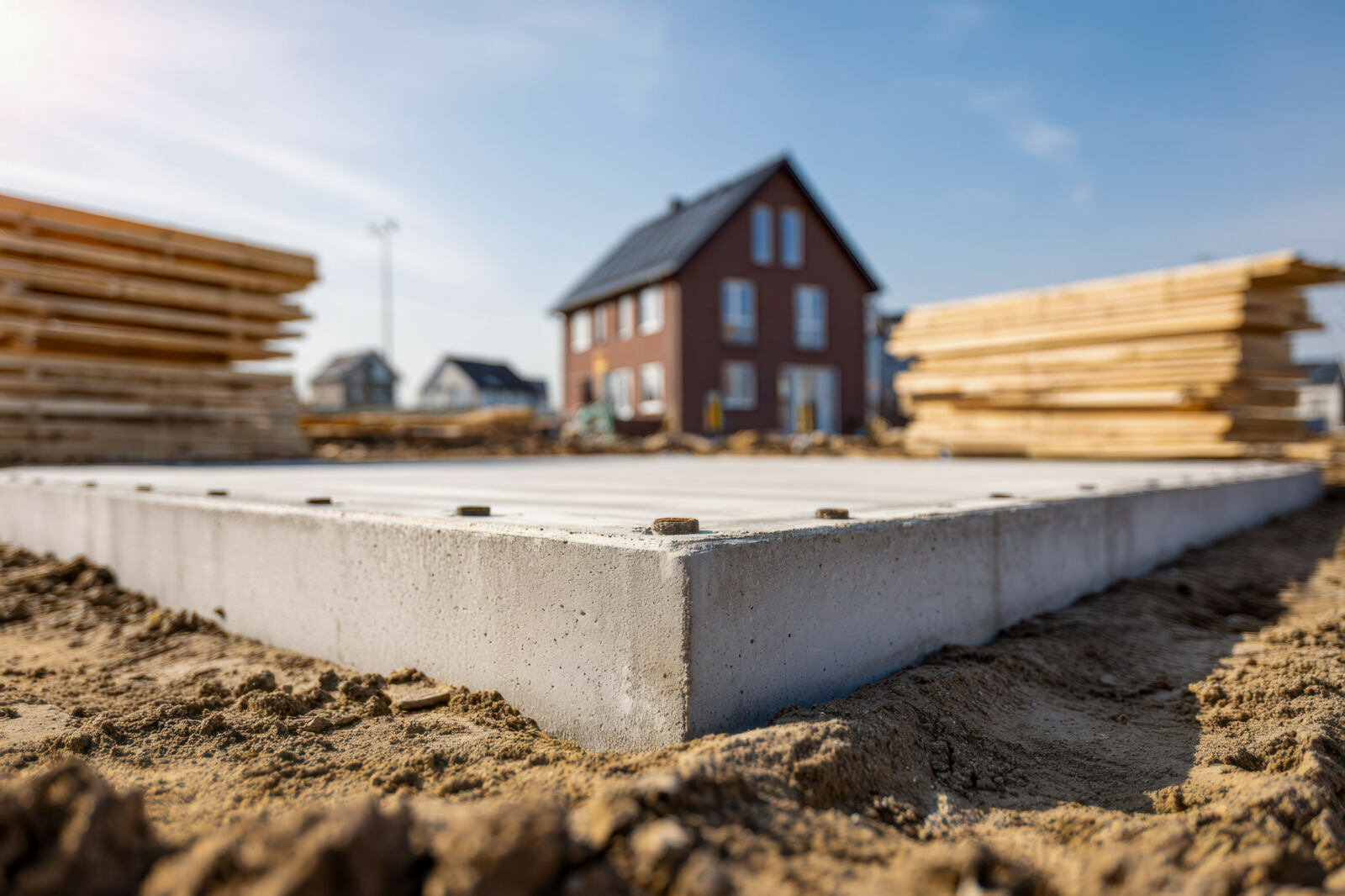

For a few years there, new construction was the story. Builders couldn't keep up with demand. New subdivisions were selling before the foundations were poured. If you wanted a home and didn't mind waiting, buying new felt like the move.
That energy has cooled significantly in 2026. In some of the hottest markets of the past decade — parts of Texas, Florida, and the Sun Belt broadly — builders have pulled back. Starts are down. Some developments have slowed or stalled. And the price gap between a new home and an existing one, which used to be substantial, has been quietly shrinking.
So what happened? And more importantly, what does it mean if you're a buyer trying to decide between new construction and resale right now?
Why Builders Pulled Back
The short version: some markets got overbuilt, and then rates stayed high longer than builders expected.
During the pandemic boom, builders ramped up fast to meet demand that seemed like it would never stop. In places like suburban Austin, the Tampa Bay area, and parts of the Phoenix metro, new communities went up quickly — sometimes faster than the local job market and population growth could absorb them.
Then rates climbed above 6% and stayed there. Buyer demand softened. Suddenly some builders had more finished inventory than they could move, and starting new projects looked like a riskier bet. The sensible response was to slow down and work through what they'd already built.
The result for buyers is a new-construction market that's more competitive in some ways — builders are offering real incentives to move inventory — but also more uneven depending on where you're looking.
HouseJet: The Case for New Construction Right Now
When builders need to move homes, buyers benefit. That's the straightforward upside of the current moment.
Many builders are offering mortgage rate buydowns — essentially paying to lower your interest rate for the first few years or the life of the loan. On a $400,000 home, getting your rate bought down even half a point can translate to real savings each month. That's a concession that private sellers rarely make.
Beyond financing incentives, new construction comes with the obvious advantages it always has: everything is new, under warranty, and up to current building codes. You're not inheriting someone else's deferred maintenance or wondering what the previous owners did with the plumbing. For buyers who want a fresh start without the unknowns of an older home, that peace of mind is worth something.
And with inventory sitting a little longer in some markets, there's more room to negotiate on upgrades, closing costs, and lot premiums than there was a couple of years ago.
The Case for Existing Homes
Existing homes have their own advantages that are easy to undervalue when a shiny new build is sitting right there with a rate buydown attached.
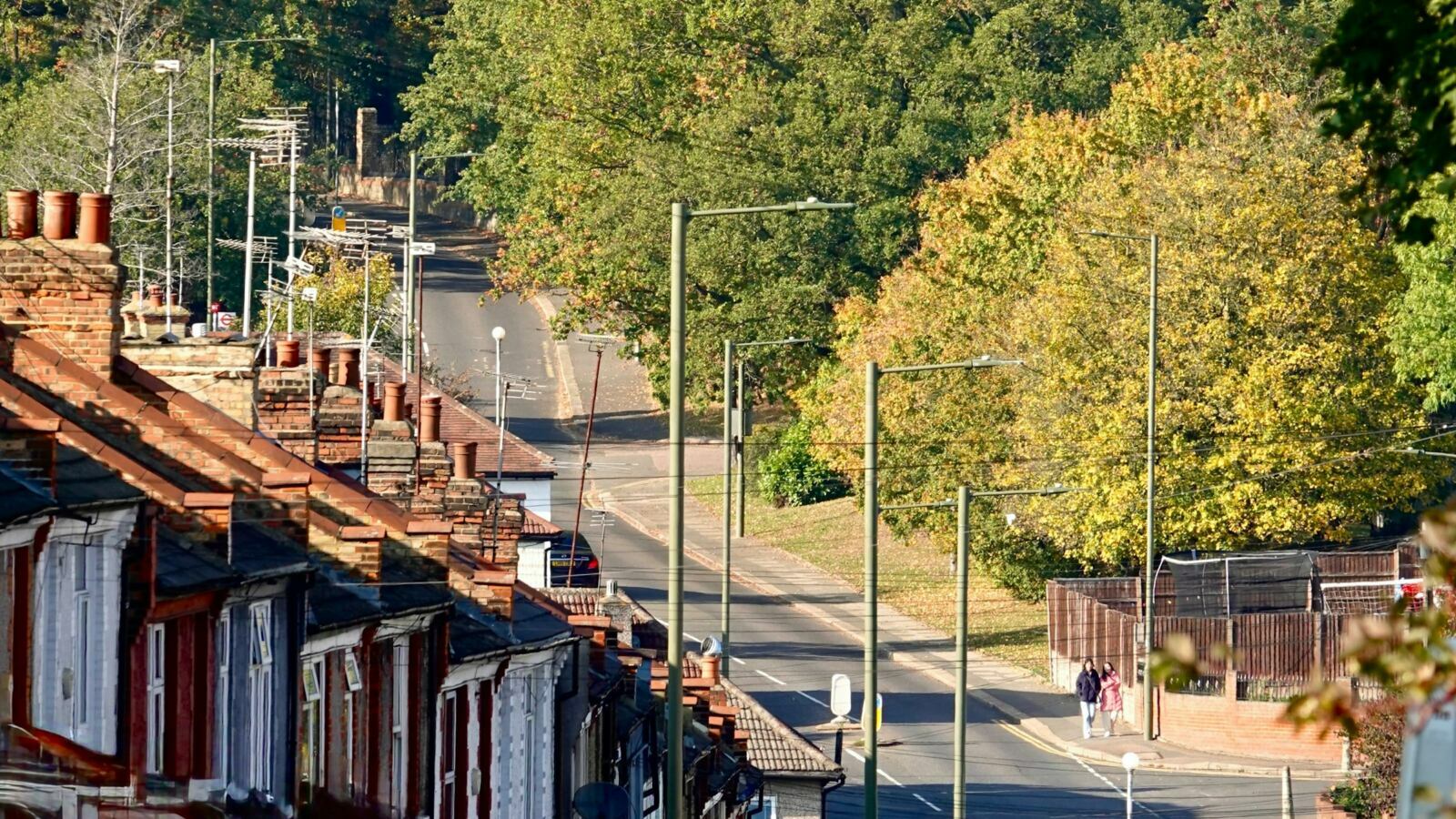
Location is usually the biggest one. Established neighborhoods offer things new developments can't: mature trees, proximity to schools and amenities that are already built and proven, and a community identity that's had years to form. When you buy in a new subdivision, you're betting on what the neighborhood will become. When you buy in an established one, you can see exactly what you're getting.
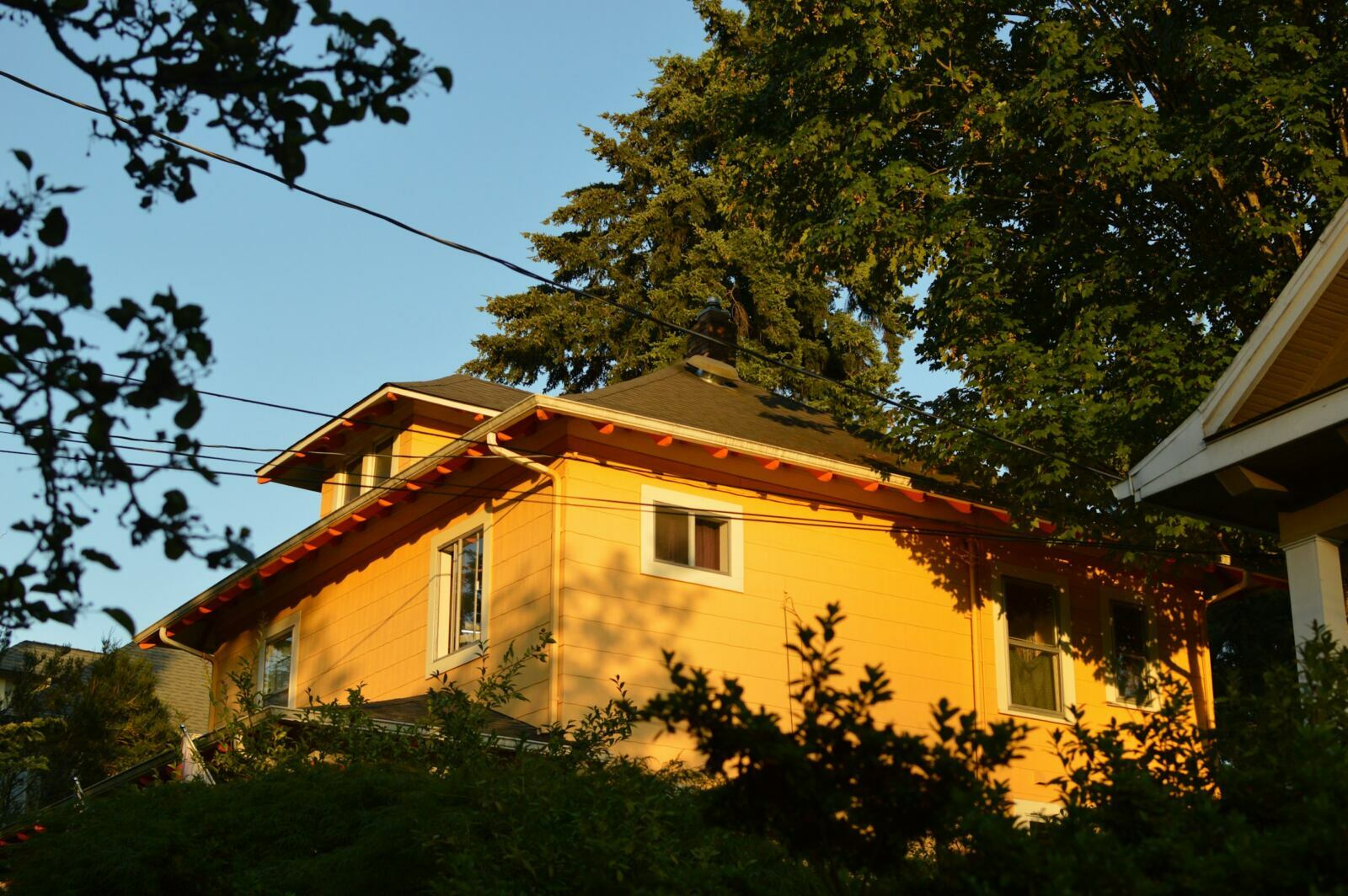
Existing homes also tend to have more character — the quirks and details that make a house feel like a home rather than a floor plan. And with the balanced market conditions of 2026, buyers of resale homes have genuine negotiating room: sellers covering closing costs, accepting inspection contingencies, and making repairs before closing are all back on the table in ways they weren't a few years ago.
The price gap between new and existing homes has also narrowed. That changes the math. If a new home no longer commands a significantly higher price than a comparable resale, the justification for choosing new purely on value is weaker than it used to be.
How to Think About the Decision
The honest answer is that neither option is universally better. It depends on your priorities, your timeline, and your market.
If you want certainty — no surprise repair bills, no deferred maintenance — and a builder's rate buydown meaningfully improves your payment, new construction is worth a serious look, especially in markets where builders are motivated to deal.
If location, neighborhood feel, and proximity to established amenities matter most to you, don't let a glossy model home distract you from a resale property that checks those boxes.
"The buyers who make the best decisions aren't the ones who just chased the lowest sticker price or the best incentive package," says Mike Oddo, CEO of HouseJet. "They looked at total value — what does this home cost me over five years, does it fit my life, and will it hold its value? That comparison looks different for every buyer, and it's worth slowing down to actually run it."
Before you commit to either path, compare the full picture: total cost including incentives, location and resale potential, what the inspection process looks like, and what your life actually needs from a home right now.
Both options have real merit in this market. The best one is the one that fits your situation — not just the one with the best headline number.