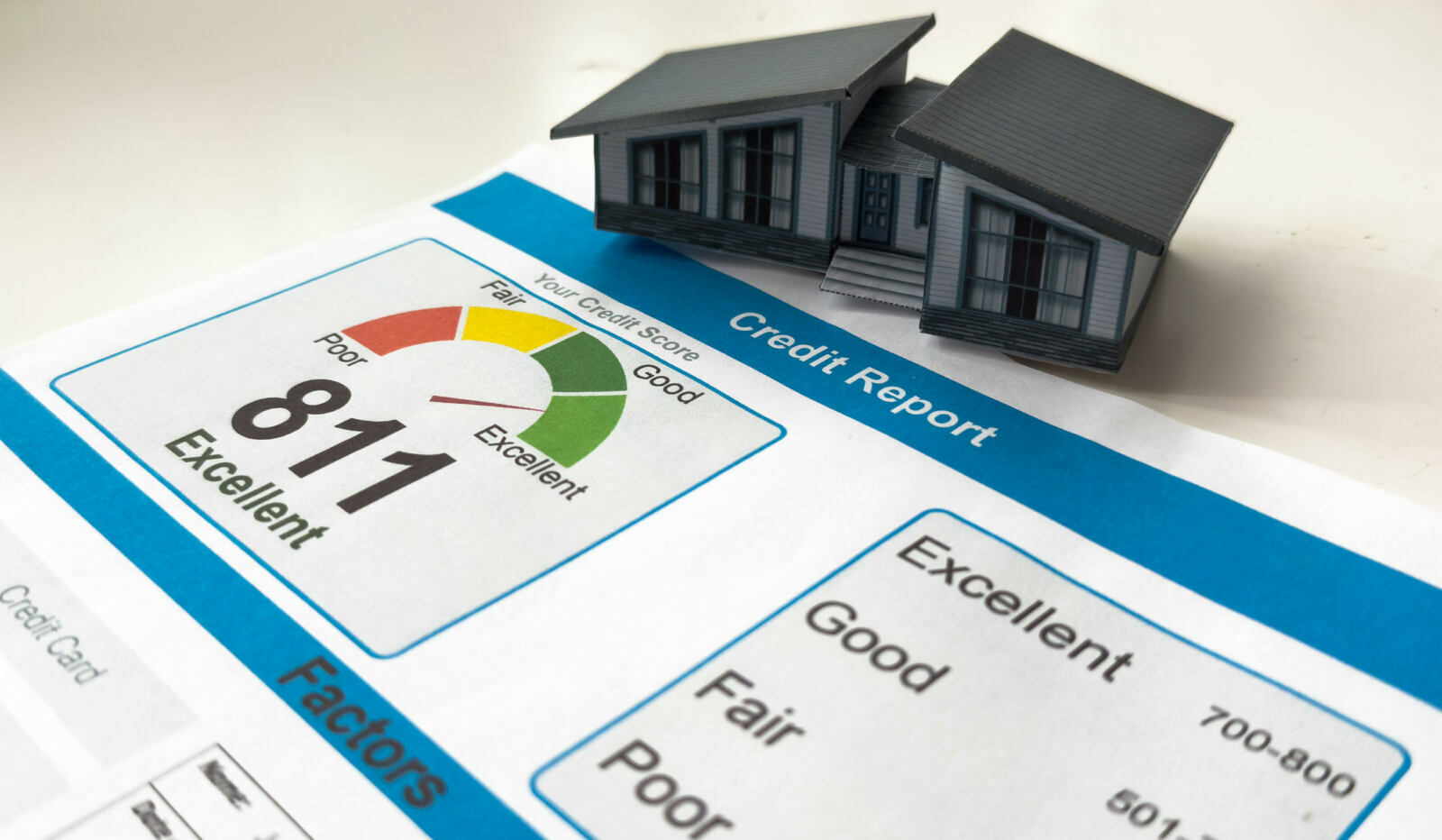

If you've ever wondered what's actually going on behind that three-digit number that seems to hold so much power over your financial life, you're not alone. Most people know their credit score matters — especially when it comes to buying a home — but very few understand what actually makes it go up, what drags it down, or what a lender is really looking at when they pull your report.
Let's break all of that down in plain English, because understanding your credit isn't just for finance nerds. It's one of the most practical things you can do to prepare yourself for homeownership.
The Five Pieces That Make Up Your Credit Score
Your credit score — most commonly calculated using the FICO scoring model — is built from five different categories of information. They don't all carry equal weight, so knowing which ones matter most can help you focus your energy in the right places.
Payment History (35%) — This is the biggest slice of the pie, and it's pretty straightforward: do you pay your bills on time? Lenders want to see consistency here. One or two late payments aren't necessarily catastrophic, but a pattern of missed payments sends up red flags fast. Even a single 30-day late payment can ding your score noticeably, so if there's one habit worth building, it's paying on time — every time.
Credit Utilization (30%) — This one surprises a lot of people. Your utilization ratio is how much of your available revolving credit you're actually using. If you have a credit card with a $10,000 limit and you're carrying a $4,000 balance, that's 40% utilization — which is considered too high. Most experts recommend keeping it below 30%, and ideally under 10% if you're actively trying to boost your score. The lower, the better.
Length of Credit History (15%) — How long have your accounts been open? Lenders like to see a track record. This is why financial advisors often caution against closing old credit cards you're not using — even if you've moved on from them, those accounts are quietly helping your score by keeping your average account age higher.
Credit Mix (10%) — Having a healthy variety of credit types works in your favor. A mix of installment loans (like a car payment or student loan) alongside revolving credit (like credit cards) shows lenders you can manage different kinds of debt responsibly.
New Credit Inquiries (10%) — Every time you apply for new credit, a "hard inquiry" gets recorded on your report. Too many in a short window can signal that you're overextending yourself financially. That said, this category carries the least weight of the five, and there's an important exception we'll get to in a moment.
What It Actually Takes to Maintain a Solid Score
Building good credit isn't a one-time project — it's an ongoing habit. Here's what that looks like in practice:
Pay on time, without exception. Set up autopay if you need to. Missing a payment because you forgot is one of the most avoidable credit mistakes out there.
Keep your balances low relative to your limits. If you use credit cards regularly, try to pay them down before the statement closing date so your reported balance stays minimal.
Don't apply for new credit right before a major purchase. Opening a new credit card or taking out a new loan a few months before applying for a mortgage can lower your score temporarily and raise questions with lenders.
Check your credit reports regularly. You're entitled to a free report from each of the three major bureaus — Equifax, Experian, and TransUnion — and errors are more common than most people realize. A collection account that isn't yours or an incorrectly reported late payment can cost you points you shouldn't be losing.
Be patient with the process. Credit improvement isn't instant. If your score needs work, a consistent six to twelve months of smart habits can move the needle significantly.
What Lenders Are Actually Looking For
When you apply for mortgage pre-approval, your lender doesn't just glance at your score and call it a day. They dig into your full credit profile, and there are several things they're paying close attention to.
Your score itself matters, obviously. Conventional loans typically want to see a minimum score somewhere around 620, though most lenders prefer 680 or higher to offer competitive rates. FHA loans can be more flexible, sometimes accepting scores as low as 580. The higher your score, the more favorable your interest rate tends to be — and over the life of a 30-year mortgage, even a quarter-point difference in rate can translate to tens of thousands of dollars.
But lenders also look at the story behind your score. They'll examine your payment history in detail, how much debt you're currently carrying, whether there are any collections or judgments on your record, and how recently any negative items occurred. A bankruptcy from eight years ago carries very different weight than one from eighteen months ago.
Your debt-to-income ratio — which is separate from your credit score but closely tied to your overall financial picture — is another major factor. Lenders want to see that your monthly debt obligations (including your potential new mortgage payment) don't eat up too much of your gross monthly income. Most conventional lenders prefer a DTI at or below 43%, though some loan programs allow for more flexibility.
The "Pulled Credit Will Tank My Score" Myth — Busted
Here's one of the most persistent pieces of bad financial advice floating around out there, and it stops a lot of people from taking the first step toward buying a home.
"Don't let anyone pull your credit — it'll destroy your score."
Not true. And Mike Oddo, CEO of HouseJet, wants people to stop letting this myth hold them back.
"One of the biggest misconceptions I hear from buyers — especially first-timers — is that getting their credit pulled for a mortgage will tank their score. The reality is, a single hard inquiry from a lender typically drops your score by only a few points, and for most people, that's barely a blip. What really matters is the full picture of your credit health, not one inquiry. Don't let a fear of losing five points keep you from understanding exactly where you stand before you start shopping for a home. That knowledge is genuinely valuable, and it could save you a lot of headaches down the road."
There's also a practical protection built into the scoring system for mortgage shoppers specifically. FICO recognizes that people comparison-shopping for home loans might have their credit pulled by multiple lenders in a short period. Because of this, multiple mortgage-related inquiries within a roughly 45-day window are typically counted as a single inquiry. So if you're getting quotes from three different lenders to compare rates, your score isn't getting dinged three times — it's treated as one shopping event.
Talk to a Loan Originator Before You Do Anything Else
According to HouseJet, if you're serious about buying a home — whether that's this year or a couple of years from now — one of the smartest things you can do right now is sit down with an experienced loan originator and let them walk through your credit profile with you.
At HouseJet, we see this step skipped all the time, and it almost always creates problems later. People start touring homes, fall in love with something, make an offer, and then discover their credit isn't quite where it needs to be for the loan program they were counting on. That scenario is frustrating for everyone involved, and it's almost entirely preventable.
A qualified loan originator can show you exactly where your score stands today across all three bureaus, which loan programs you currently qualify for, what rate range you're looking at based on your current profile, and — if your credit needs some work — a specific action plan for improving it before you apply.
That last point is huge. Sometimes the difference between a 6.8% rate and a 7.3% rate comes down to a few targeted moves: paying down one credit card, disputing a reporting error, or simply waiting a couple of months for a negative item to age off. A good loan originator knows exactly which levers to pull.
A great agent can connect you with experienced mortgage professionals who can give you a straight, honest read on where you stand — no pressure, no runaround. Whether your credit is in great shape or needs some attention before you're ready to buy, getting that conversation started early puts you in control of the process instead of scrambling to react later.
Your credit score is not some mysterious force that happens to you. It's something you build, manage, and optimize — and with the right guidance, you can walk into the homebuying process with confidence, knowing exactly what you're working with.