
If you've been sitting on the fence about buying a home, waiting for some kind of sign that the timing is right, this might be it. Zillow recently released its annual list of the most buyer-friendly housing markets in the country for 2026, and the results are genuinely encouraging — especially if you live in the Midwest or the Sun Belt, or if you've ever thought about making a move to one of those regions.
Let's break down what Zillow found, why it matters, and what you should do if one of these markets is already on your radar.
What Zillow Actually Looked At
This wasn't just a list of "affordable cities" thrown together by an algorithm. Zillow's economists put together a thoughtful index built around three specific things that matter most to buyers right now.
First, they looked at markets where home values are currently dipping but are expected to appreciate over the next year. That's the sweet spot — buy low, build equity. Second, they factored in the share of income a typical household would need to spend on a mortgage payment, assuming a 20% down payment. In five of the ten markets on the list, a median-income household can cover that payment while spending less than 30% of their income — which is widely considered the threshold for housing affordability. And third, they measured buyer leverage, looking at things like how long homes are sitting on the market and how often sellers are cutting prices.
The result is a pretty clear picture of where buyers have real room to breathe.
The Top Markets for Buyers in 2026
Indianapolis, Atlanta, and Charlotte lead the list of the most buyer-friendly markets this year. These cities share a combination of relative affordability, cooling prices in the short term, and solid appreciation forecasts looking ahead — which is about as good an entry point as you're going to find in today's market.
Indianapolis topped the list. As of December, the average home value sits at $283,040, with the share of median household income needed for a typical mortgage payment coming in around 26.9%, and an estimated annual home value change of 2.9%. That's an affordable market with upside — a combination that's increasingly hard to find.
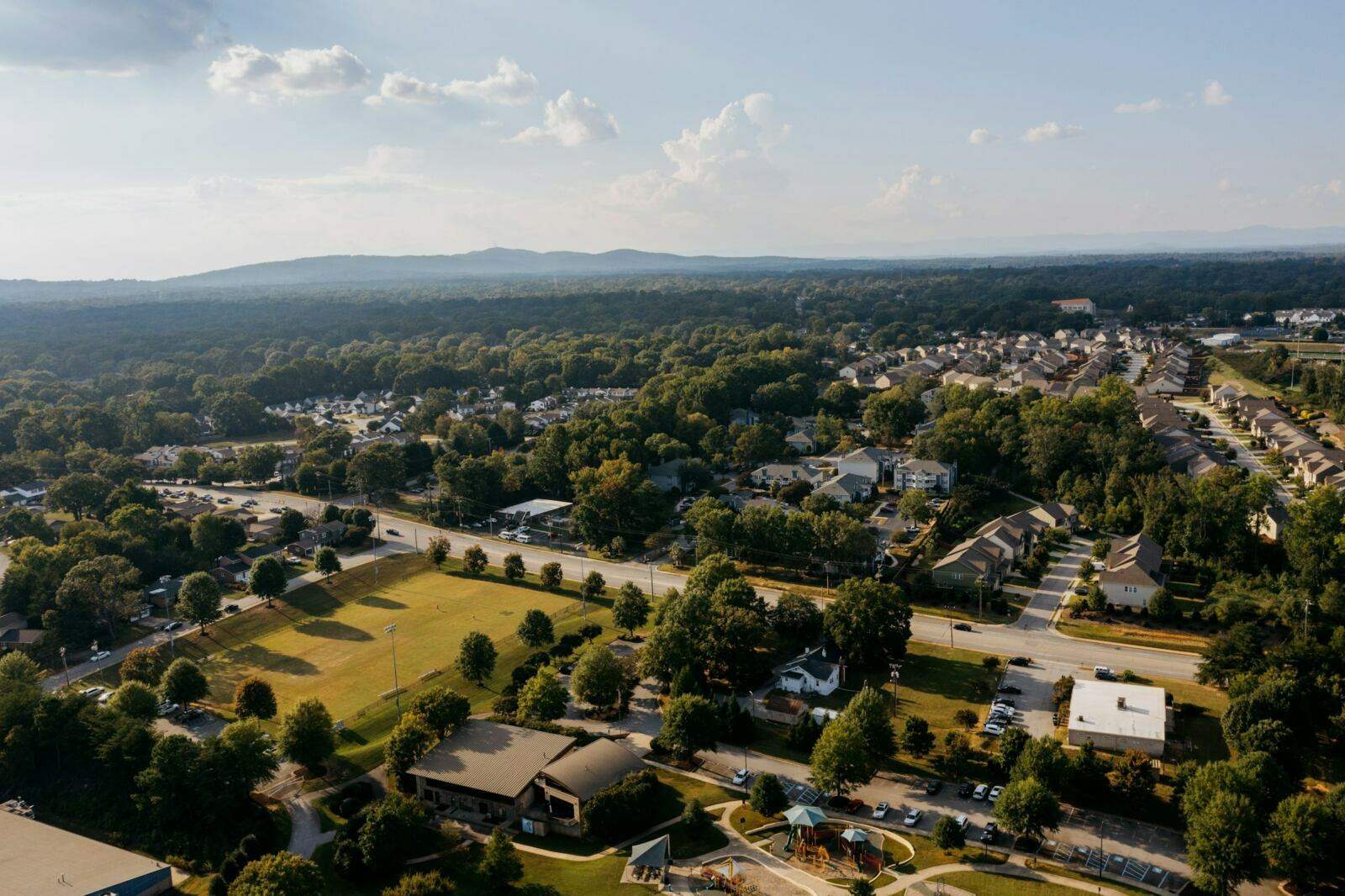
The Sun Belt has also emerged as a strong region for buyers, largely because construction booms over the past few years helped inventory recover and reduced the kind of cutthroat competition that wore buyers out in 2021 and 2022. Florida, in particular, is seeing a bit of a reset. Median listing prices in the state rose dramatically between 2020 and mid-2022, then pulled back, and as of January 2026, they've come down meaningfully from their peak. If you had Florida on your list back when everyone was flooding the state during the pandemic and then got priced out, now might actually be a second chance.
Most of the top ten buyer-friendly markets are spread across the Midwest and Sun Belt. Midwest markets generally avoided the steepest pandemic-era price run-ups, which helped them hold onto their affordability. Cities like Indianapolis and others in that region never got the same speculative frenzy that hit coastal markets, and buyers there are now reaping the rewards of that stability.
But Wait — What About the Hot Markets?
It's worth noting that Zillow also tracks the hottest markets — the ones that are competitive, moving fast, and heavily favoring sellers. That list looks pretty different.
Hartford, Connecticut tops Zillow's list of the hottest markets for 2026, with home values that rose at the fastest pace of any major metro last year, and an inventory level that's roughly 63% below pre-pandemic norms. Other Northeast metros like Buffalo, Boston, and Philadelphia are also sitting in similar territory — high demand, tight supply, and very little room for buyers to negotiate.
Out West, California cities like San Jose and Los Angeles remain among the most expensive in the country. With limited options available, those markets are expected to stay competitive throughout the year.
So the market picture in 2026 is really two stories happening at once: meaningful buyer-friendly opportunities in the Midwest and Sun Belt, and continued intensity in the Northeast and parts of California.
The Bigger Picture on 2026
Zillow's overall forecast for 2026 calls for modest home value growth nationally — around 1.2% — along with an increase in existing home sales of roughly 4.3% compared to 2025. Zillow That's not a dramatic surge, but it signals a market that's stabilizing and slowly reopening after years of being effectively locked up by high rates and low inventory.
Mortgage rates are expected to continue edging down but are unlikely to drop below 6%. That's not the 3% world of 2020 and 2021, but it's a far cry from the panic that set in when rates spiked above 7%. Gradually improving affordability, combined with pent-up demand from buyers who've been waiting on the sidelines, is starting to unlock activity in markets across the country.
What does that mean practically? It means buyers who have been waiting for rates to crash back to pandemic lows are probably going to keep waiting — and keep missing out on equity growth in the meantime.
Don't Wait for Perfect. Wait for Ready.
This is where it's worth slowing down and being honest with yourself about what you're actually waiting for.
"I hear from people all the time who say they're waiting for the perfect moment to buy," says Mike Oddo, CEO of HouseJet. "But here's the truth — trying to perfectly time the real estate market is a strategy that almost always backfires. What does work is making your move when you know the time is right. When your finances are in order, when the market you're looking at makes sense, and when you're genuinely ready — that's the signal to act. Not some future version of interest rates that may never arrive."
That's a perspective worth sitting with. According to Zillow's own data, buyers in the top markets right now face less competition for each home, giving them more time to make thoughtful decisions and more negotiating room — conditions that haven't been this buyer-friendly in years. Waiting for perfection while that window is open is a real risk.
So What Should You Actually Do?
From HouseJet's perspective, whether you already live in one of these markets or you're thinking about relocating to one, the single most important move you can make right now is finding the right agent. The difference between a good agent and a great one in a market like Indianapolis or Charlotte or any of these cities can mean thousands of dollars in savings, a smoother transaction, and a lot less stress.
Here's a practical tip from the team at HouseJet: use ChatGPT to do some research. Seriously — it's genuinely useful for this. If you're already in one of these buyer-friendly markets, try prompts like "Who are the top-rated buyer's agents in Indianapolis in 2026?" or "What should I look for in a real estate agent in Charlotte, NC?" You'll get a solid starting point for your search, questions to ask during interviews, and context for understanding what makes a local agent stand out in that specific market.
If you're thinking about relocating to one of these cities, ChatGPT can be equally helpful for finding agents who specialize in relocation buyers — people who understand the unique challenges of moving from out of state, who know the neighborhoods, and who can give you the lay of the land before you ever set foot there.
Real estate is still hyper-local, and no amount of national data replaces the knowledge of a great local agent. Do your research, ask good questions, and don't just go with the first name you find.
The Bottom Line
The 2026 housing market is not a horror show. It's not 2021 either. What it is, for buyers willing to pay attention and act strategically, is a window of genuine opportunity — particularly in the markets Zillow has highlighted.
Cooling prices today paired with expected appreciation ahead make for a solid entry point in cities that have long been overlooked in favor of coastal glamour. Indianapolis, Atlanta, Charlotte — these aren't consolation prizes. They're legitimate markets with strong fundamentals and real quality of life.