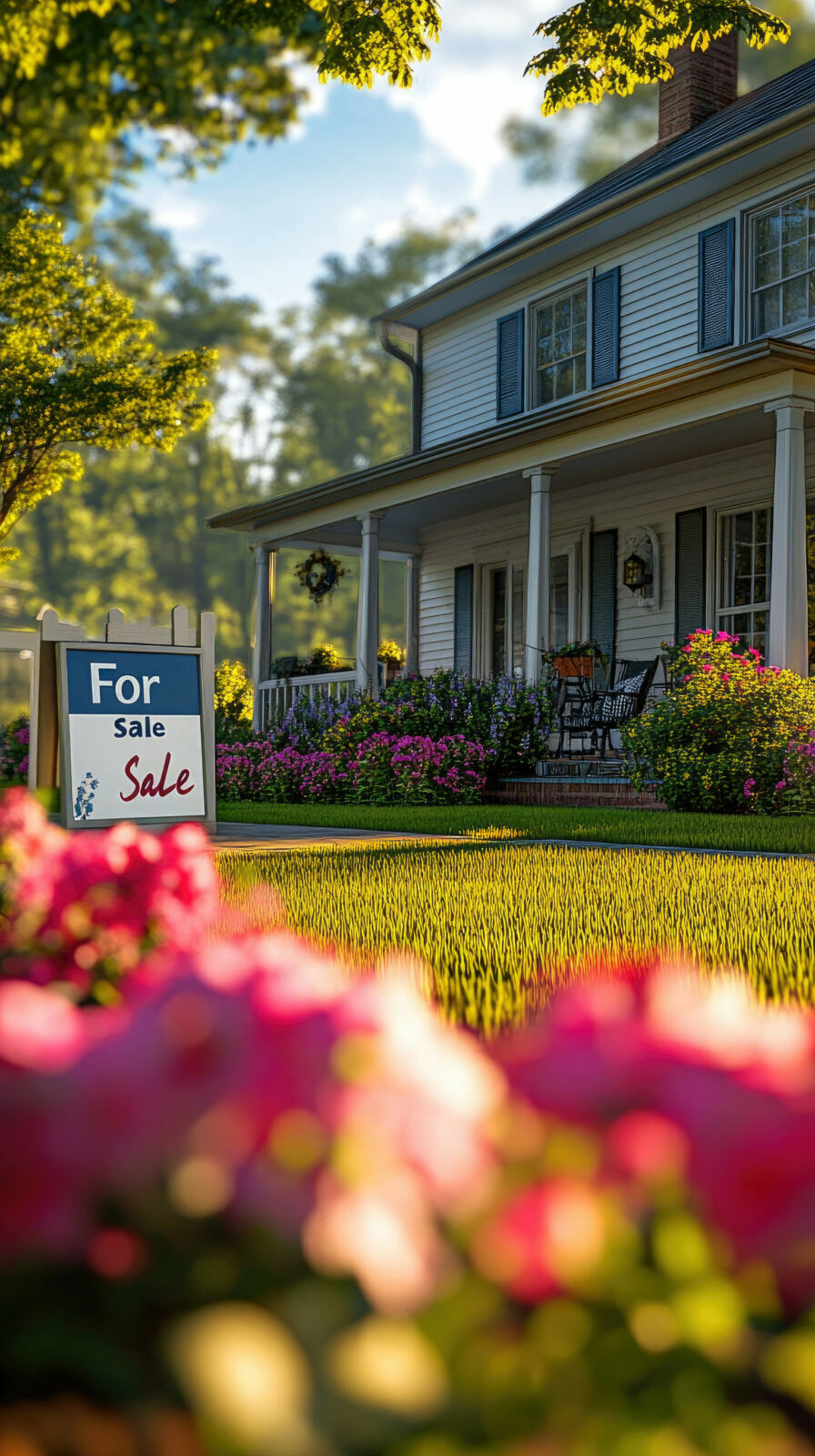

Spring is just around the corner, and if you're thinking about selling your home, now's the time to start getting things in order. The spring market is traditionally the busiest time of year for home sales, and buyers who've been waiting through the winter months are ready to pounce on homes that look their best.
But here's the thing—throwing your house on the market without proper preparation is like showing up to a job interview in your pajamas. Sure, you might still get the job, but you're definitely not putting yourself in the best position to succeed. The homes that sell quickly and for top dollar are the ones where sellers took the time to make them shine.
"Spring represents the Super Bowl of real estate," says Mike Oddo, CEO of HouseJet. "Buyers are out in force, competition among sellers heats up, and the homes that stand out are the ones that get multiple offers and premium prices. If you want to capitalize on this prime selling season, you can't just list your home and hope for the best. You need to be strategic, intentional, and ready to showcase your property in a way that makes buyers feel like they've found something special. The difference between a home that's been properly prepared and one that hasn't can easily be tens of thousands of dollars—and that's money you absolutely want in your pocket."
So what should you focus on? Let's break down the five most important preparations that'll help you get top dollar when you list this spring.
1. Deep Clean Everything (And We Mean Everything)
Look, we all think our homes are clean. But there's "clean enough to live in" and then there's "clean enough to sell." You need the second one.
Start with a professional deep clean of the entire house. We're talking baseboards, light fixtures, inside cabinets, behind appliances, grout lines, windows inside and out—all of it. Pay special attention to kitchens and bathrooms since these rooms carry massive weight in buyers' minds. You would be shocked at how a squeaky clean house makes buyers feel even better about making an offer.
Don't forget about the often-overlooked spots: ceiling fans, air vents, the tops of door frames, and inside the refrigerator. Buyers will look, and when they see grime or neglect, they start wondering what else hasn't been maintained.
Outside, pressure wash your siding, walkways, driveway, and deck. Clean out gutters and make sure your windows sparkle. A clean home signals to buyers that the property has been cared for, which increases their confidence that they won't inherit a bunch of hidden problems.
2. Handle Repairs and Maintenance Issues Now
Nothing kills a sale faster than a home inspection that reveals a laundry list of problems. Walk through your home with a critical eye and fix anything that's broken, worn out, or simply doesn't work properly.
Replace burned-out light bulbs. Fix leaky faucets. Repair that loose doorknob. Patch holes in walls. Touch up paint where it's chipped or scuffed. If you've got a squeaky door, grab some WD-40. These small fixes are inexpensive and easy, but they make a huge difference in how buyers perceive your home.
For bigger issues—like a roof that's near the end of its life, an HVAC system that's temperamental, or foundation cracks—you'll need to decide whether to fix them before listing or disclose them and adjust your price accordingly. Talk to your real estate agent about what makes the most sense in your market. Sometimes making the repair upfront gives buyers confidence and prevents them from over-estimating the cost in their minds.
3. Freshen Up Your Curb Appeal
You've heard it a thousand times, but it's true: first impressions matter enormously. When buyers pull up to your house, they're already forming opinions before they even step inside. If the outside looks tired, neglected, or uninviting, they'll approach the rest of the showing with lower expectations.
Start with landscaping. Trim overgrown bushes, pull weeds, edge the lawn, and add fresh mulch to flower beds. Plant some colorful flowers near the entrance to create a welcoming vibe. If your lawn is patchy, consider overseeding or even laying down some sod in high-visibility areas.
Your front door is a focal point. If it's faded or beat-up, a fresh coat of paint can work wonders. Consider a bold, appealing color that complements your home's exterior. Make sure your house numbers are clearly visible and in good condition. Update your mailbox if it's rusty or damaged.
Replace or clean your doormat, add a couple of potted plants flanking the entrance, and make sure your porch or entryway is clutter-free. These small touches create a sense of pride of ownership that buyers respond to emotionally.
4. Neutralize and Depersonalize Your Interior
This one's tough for a lot of sellers because it feels like erasing your personality from your own home. But remember: you're not trying to make your house comfortable for you anymore. You're trying to help buyers envision themselves living there.
Start by removing personal photos, collections, and distinctive décor items. Box up your kids' artwork from the fridge, put away the souvenir magnets, and take down the family portrait wall. Buyers need to imagine their family photos in those spots.
If you've got bold paint colors, consider repainting in neutral tones. Beige, gray, and soft white shades appeal to the broadest range of buyers and make spaces feel larger and brighter. Yes, it might feel boring, but boring sells.
Clear out clutter ruthlessly. Overstuffed closets, crowded countertops, and packed garages all signal to buyers that there isn't enough storage space. Rent a storage unit if you need to, and remove about half of what's currently visible in your home. Less is definitely more when you're selling.
5. Make Strategic Updates That Deliver ROI
Not all home improvements are created equal when it comes to return on investment. Some updates will pay for themselves several times over, while others might not move the needle much at all.
Focus on high-impact, relatively affordable updates. In the kitchen, consider painting cabinets instead of replacing them, upgrading hardware and fixtures, and replacing outdated light fixtures. A new backsplash can modernize the space without breaking the bank.
In bathrooms, fresh caulk, a new shower curtain, updated faucets, and modern light fixtures can make a surprising difference. If your vanity is dated, painting it and adding new hardware might be enough.
Fresh paint throughout the house is one of the best investments you can make. It's relatively inexpensive and makes everything look newer and better maintained. Stick with neutral colors that appeal broadly.
Consider updating flooring in high-traffic areas if what you have is worn or outdated. You don't need hardwood throughout, but replacing tired carpet or damaged vinyl can significantly improve buyer perception.
The Real Value: Actual and Perceived
Here's what makes these preparations so powerful: they work on two levels simultaneously. On one hand, you're actually improving your home's condition, which increases its objective market value. A house with fresh paint, working systems, and good maintenance is legitimately worth more than an identical house that's been neglected.
But perhaps even more importantly, you're dramatically improving the perceived value in buyers' minds. When everything looks fresh, clean, and well-maintained, buyers assume the home has been cared for in ways they can't see too. They're less worried about hidden problems. They're more emotionally connected. And they're willing to pay a premium. You may want to ask your agent if they have a stager with whom you could consult to see how you can increase perceived value for short money.
A properly prepared home often receives multiple offers, which creates competition and drives the price higher. It also tends to sell faster, which means less time paying your mortgage, utilities, and maintenance costs while waiting for a buyer.
Keeping Costs Under Control
If you're worried about the expense of getting your home sale-ready, HouseJet recommends several strategies to keep costs manageable. First, prioritize the work based on impact—focus on the changes that'll make the biggest difference to buyers. Second, do what you can yourself. Painting, deep cleaning, and minor repairs are well within most homeowners' capabilities.
For bigger jobs, get multiple quotes and don't automatically go with the most expensive option. Sometimes mid-range contractors deliver excellent results without the premium price tag. Ask your real estate agent for contractor recommendations—they often know reliable professionals who do quality work at fair prices.
Finally, have an honest conversation with your agent about which updates are necessary in your specific market and which might not deliver sufficient return on investment. What's essential in one area might be optional in another.
The Bottom Line
Preparing your home for the spring market takes effort and investment, but the payoff is substantial. Sellers who do the work typically net significantly more money than those who list as-is, even after accounting for the cost of preparations.
The spring selling season waits for no one. Buyers are coming, and they'll have options. Make sure your home is the one they fall in love with. Contact a local real estate agent who knows your specific market to get detailed advice on what preparations will deliver the best results in your area. They'll help you focus your efforts where they matter most and position your home to sell quickly and for top dollar.