
So you've decided to sell your home. And not just sell it — you want buyers fighting over it. You want multiple offers, a rising sale price, and the kind of energy around your listing that makes you feel like you made all the right moves. Sound ambitious? Maybe. But it's absolutely doable if you play your cards right.
Creating a bidding war isn't about luck. It's about strategy. Sellers who pull it off aren't just fortunate enough to list at the right time — they've made deliberate decisions that stacked the odds in their favor. Let's walk through exactly how to make that happen.
The Big One: Price Below Market Value on Purpose
Before we get into the supporting cast of strategies, we need to talk about the one move that matters more than anything else — and it's also the one that makes most sellers nervous at first.
Price your home below market value.
Yes, on purpose. Yes, intentionally leaving money on the table at the starting line. Here's why this works so well.
When buyers see a home priced at what feels like a deal, something interesting happens in their psychology. They don't think, "oh, something must be wrong with it." They think, "I need to move fast before someone else gets this." That urgency is everything. It's the same reason a flash sale drives more sales than a permanent discount — scarcity and time pressure change how people make decisions.
Pricing just under market value — not dramatically below, but enough to catch attention — floods your listing with showings. Instead of getting two or three buyers trickling through over a few weeks, you might get fifteen buyers walking through in a single weekend. When those fifteen buyers all start to feel competitive with each other, the price doesn't stay low for long. The market does what the market does, and it pushes that number up on its own.
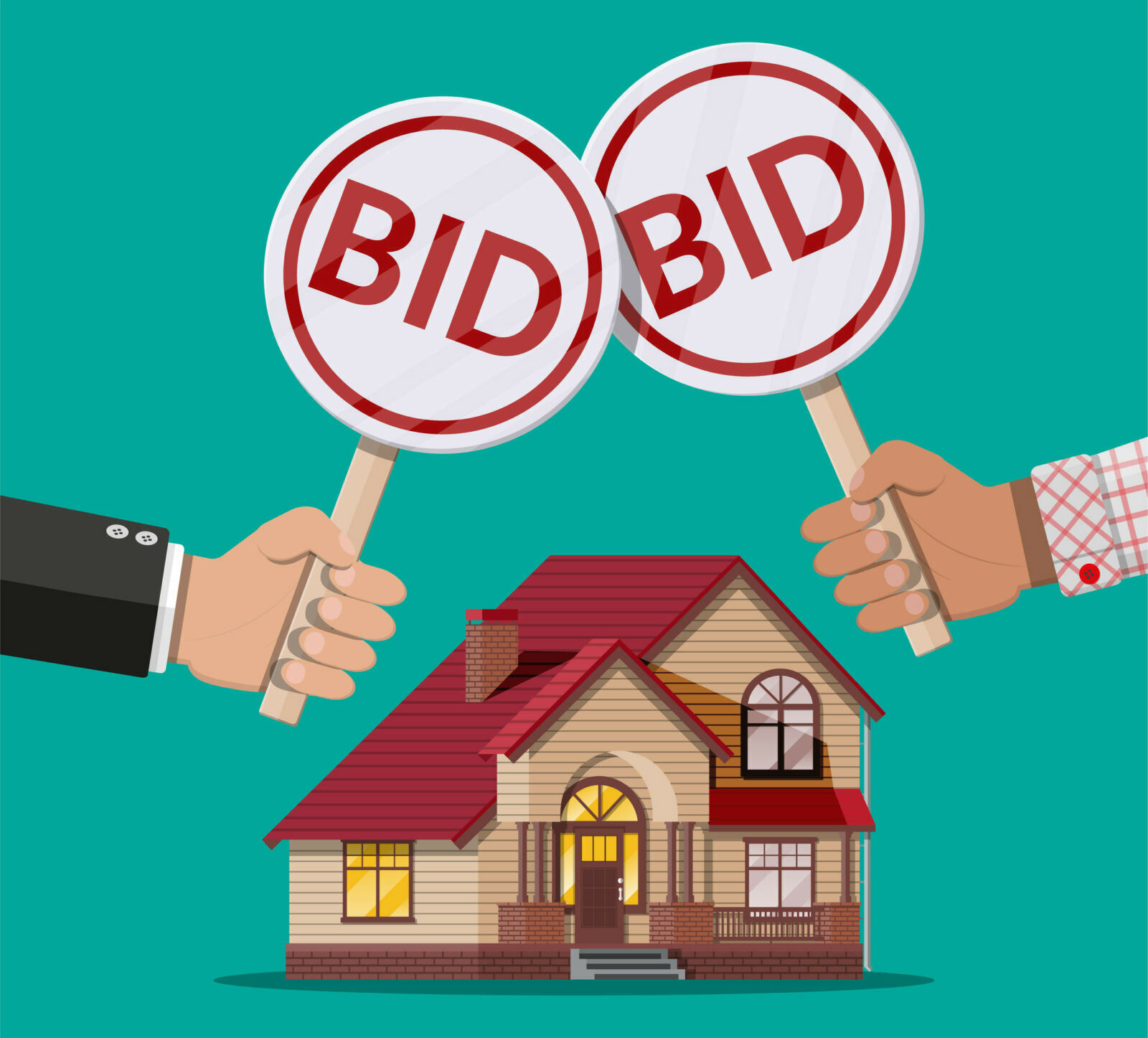
Think of it less like pricing a house and more like setting up an auction. You're not picking the final number — you're creating the conditions for buyers to bid their way to it.
Why This Worked Like Crazy in 2021 — And What It Taught Us
Mike Oddo, CEO of HouseJet, knows this dynamic well. He watched it play out in real time just a few years ago.
"Back in 2021, you almost didn't have to try to create a bidding war — the market was doing it for you," says Oddo. "Demand was through the roof, inventory was paper thin, and prices were climbing so fast that buyers were terrified of waiting even a week. We saw homes getting twenty, thirty, sometimes forty offers. It wasn't unusual for a home to close sixty or seventy thousand over asking. That period showed everyone what happens when demand outpaces supply — buyers stop negotiating and start competing. The smart sellers today understand that you can recreate some of that auction energy even in a calmer market, but it takes intentional pricing and the right strategy going in."
That 2021 market was a crash course in buyer behavior. When people feel like they might lose something to someone else, they make faster, more aggressive decisions. The goal of strategic underpricing is to engineer a small version of that same psychology, even when the broader market isn't doing you any favors.
Set a Clear Offer Deadline
Once you've priced the home attractively, the next step is creating a timeline that forces buyers to act together rather than spread out.
Instead of accepting offers on a rolling basis, announce upfront that you'll be reviewing all offers on a specific date — say, five to seven days after hitting the market. This accomplishes a couple of things at once. First, it gives every interested buyer enough time to get their financing in order and schedule a showing. Second, it signals that other people are in the running. No buyer wants to be the only one who showed up late to the party.
This deadline approach also works in your favor during negotiations. When buyers know their offer is going up against others on the same day, they tend to put their best foot forward from the start rather than lowballing and hoping to negotiate up later.
Make the Home Impossible to Ignore Online
In today's market, your listing photos are your first showing. Most buyers have already formed an opinion about your home before they ever ring the doorbell, and that opinion was shaped entirely by what they saw on their phone at eleven o'clock on a Tuesday night.
This is not the place to cut corners. Professional photography, wide-angle shots that capture the actual feel of a space, bright and well-lit images, and a solid mix of interior and exterior shots are table stakes. If your home has a great backyard, a stunning kitchen, or a unique architectural detail, those should be front and center.
Video walkthroughs and 3D virtual tours have also become increasingly important. They let buyers from out of town — or just buyers with busy schedules — get a real feel for the layout before committing to a showing. More pre-qualified, emotionally invested buyers showing up to your open house is exactly what you want.
Presentation Day Matters More Than You Think
You could do everything else right and still leave money on the table if the home doesn't show well. Declutter, deep clean, and make sure the house smells neutral and welcoming. If you have dated furniture or a quirky paint color that felt personal to you but might distract buyers, it's worth addressing before listing.
Staging — whether professional or DIY — helps buyers picture their own lives in the space rather than yours. That emotional connection is what pushes people from "this is nice" to "I have to have this house." And that shift in mindset is exactly what gets offers over asking price. Having your home professionally staged has proven to add 6 to 10% to your bottom line when selling your home, so you may want to forgo the DIY approach altogether.
Small updates can also pay off. Fresh paint in a neutral tone, new cabinet hardware in the kitchen, updated light fixtures — these aren't massive renovations, but they signal that the home has been cared for and modernized. Buyers pay more for homes that feel move-in ready.
Create Buzz Before You Even Hit the Market
One underutilized move is generating interest before your home officially goes live. Talk to your agent about a "coming soon" strategy, where word gets out through their network, social media, and email lists before the listing is publicly active.
When a home has already generated buzz by the time it hits the MLS, you start with momentum instead of building it from scratch. Some buyers will show up to that first open house already emotionally invested, which is exactly where you want them.
Know How to Negotiate a Multiple Offer Situation
Here's where a lot of sellers stumble even when the strategy works perfectly — they don't know what to do once the offers start rolling in.
Multiple offers can feel overwhelming. Do you take the highest one? Do you counter everyone? Do you accept terms that aren't strictly about price, like a flexible closing date or a buyer waiving inspection contingencies? These are real decisions that carry real consequences, and they require experience to navigate well.
This is where HouseJet suggests having the right real estate professional in your corner becomes the difference between a good outcome and a great one. HouseJet strongly recommends working with a skilled real estate advisor who not only understands how to position a home for a bidding war from the start, but who also has the negotiation experience to handle multiple offers strategically once they arrive. Knowing how to run a highest-and-best round, how to evaluate non-price terms, and how to keep backup buyers warm are all skills that come from doing this repeatedly — not from reading about it.
The right advisor won't just list your home and hope for the best. They'll have a specific game plan for your property, your market, and your timeline.
Putting It All Together
A bidding war isn't something that just happens to lucky sellers. It's the result of deliberate setup — pricing that generates demand, a timeline that creates urgency, a presentation that earns emotional investment, and a negotiation strategy that actually captures the value you've worked to create.
Start with the pricing. That's the engine that drives everything else. When buyers see an attractive price and a home worth fighting for, the competitive instincts kick in almost automatically.
And when you're ready to put a plan together, connect with a HouseJet real estate advisor who can walk you through exactly how to position your specific home for maximum buyer competition — and who will be ready to negotiate hard on your behalf when the offers start coming in.
That combination of smart strategy and skilled execution is how sellers win.