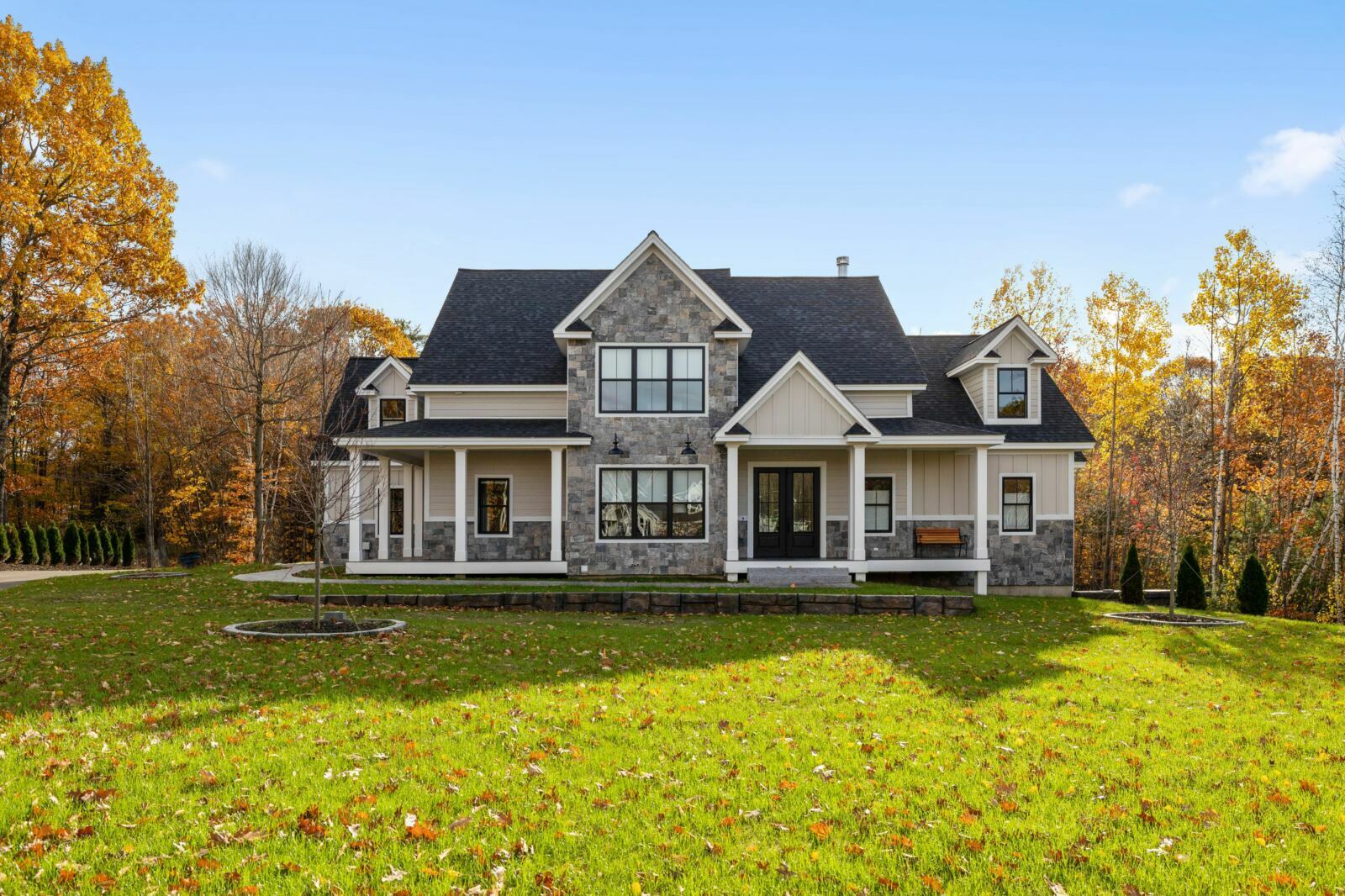

There's something special about older homes. Maybe it's the crown molding, the hardwood floors, or the built-in bookshelves. But let's be honest—that charm often comes with a price tag in the form of sky-high utility bills and drafty winters.
The good news? You don't have to choose between loving your older home and living sustainably. With the right upgrades, you can turn that energy-guzzling beauty into an eco-friendly haven that saves you serious money over time.
Start With an Energy Audit
Before you start tearing out windows or climbing into the attic, get a professional energy audit. Think of it as a health checkup for your house. An auditor will use thermal imaging and other tools to pinpoint exactly where you're losing energy—and money.
You might discover that your biggest problem isn't what you thought. Maybe it's not the windows at all, but rather gaps around your doors or insufficient attic insulation. Knowing where to focus your efforts means you won't waste money on upgrades that won't make much difference.
Many utility companies offer free or discounted energy audits, so check with yours before hiring someone independently.
Tackle Insulation First
Here's a reality check: No matter how efficient your heating and cooling system is, it's working overtime if your home isn't properly insulated. Older homes were often built with minimal insulation by today's standards, which means you're basically heating and cooling the neighborhood.
Start with the attic. Heat rises, and without adequate insulation up there, you're watching your money float right through the roof. Adding blown-in cellulose or fiberglass batts is usually straightforward and offers one of the best returns on investment.
Don't forget about the basement and crawl spaces either. Insulating these areas might not seem glamorous, but they make a real difference in comfort and efficiency.
Seal Up Air Leaks
Air leaks are sneaky. They hide around window frames, door jambs, electrical outlets, and anywhere different building materials meet. Individually, they seem insignificant. Collectively, they can add up to leaving a window wide open all year long.
Grab some caulk and weatherstripping and get to work. Check around windows and doors, especially older ones that have settled over the years. Look at where pipes and wires enter the house. Even sealing up these small gaps can cut your heating and cooling costs by 10-20%.
For bigger gaps, expanding foam works wonders. Just be careful not to overdo it—that stuff expands more than you'd think.
Upgrade Your Windows Strategically
Windows are expensive. Really expensive. So before you refinance your house to replace every single one, think strategically.
If your windows are in decent shape, adding storm windows might be enough. They're far cheaper than full replacements and can significantly improve insulation.
When you do replace windows, focus on the ones that get the most sun exposure or face the harshest weather. Upgrading just a few key windows can make a noticeable difference without requiring a second mortgage.
Look for ENERGY STAR certified windows with low-E coatings. They block heat in summer and keep warmth inside during winter.
Modernize Your Heating and Cooling
That furnace from 1987? It's probably costing you a fortune. Modern HVAC systems are dramatically more efficient than models from even ten or fifteen years ago. Remember, the recommended time frames to wait to replace the bigger systems in your house are just that: recommendations.
Heat pumps have become increasingly popular for older homes, especially in moderate climates. They provide both heating and cooling and can be significantly more efficient than traditional systems.
If a complete replacement isn't in the budget right now, at least get your current system serviced regularly. Clean filters, proper maintenance, and a professional tune-up can improve efficiency by 15-20%.
Programmable or smart thermostats are another easy win. Being able to automatically adjust temperatures when you're asleep or away means you're not paying to heat or cool an empty house.
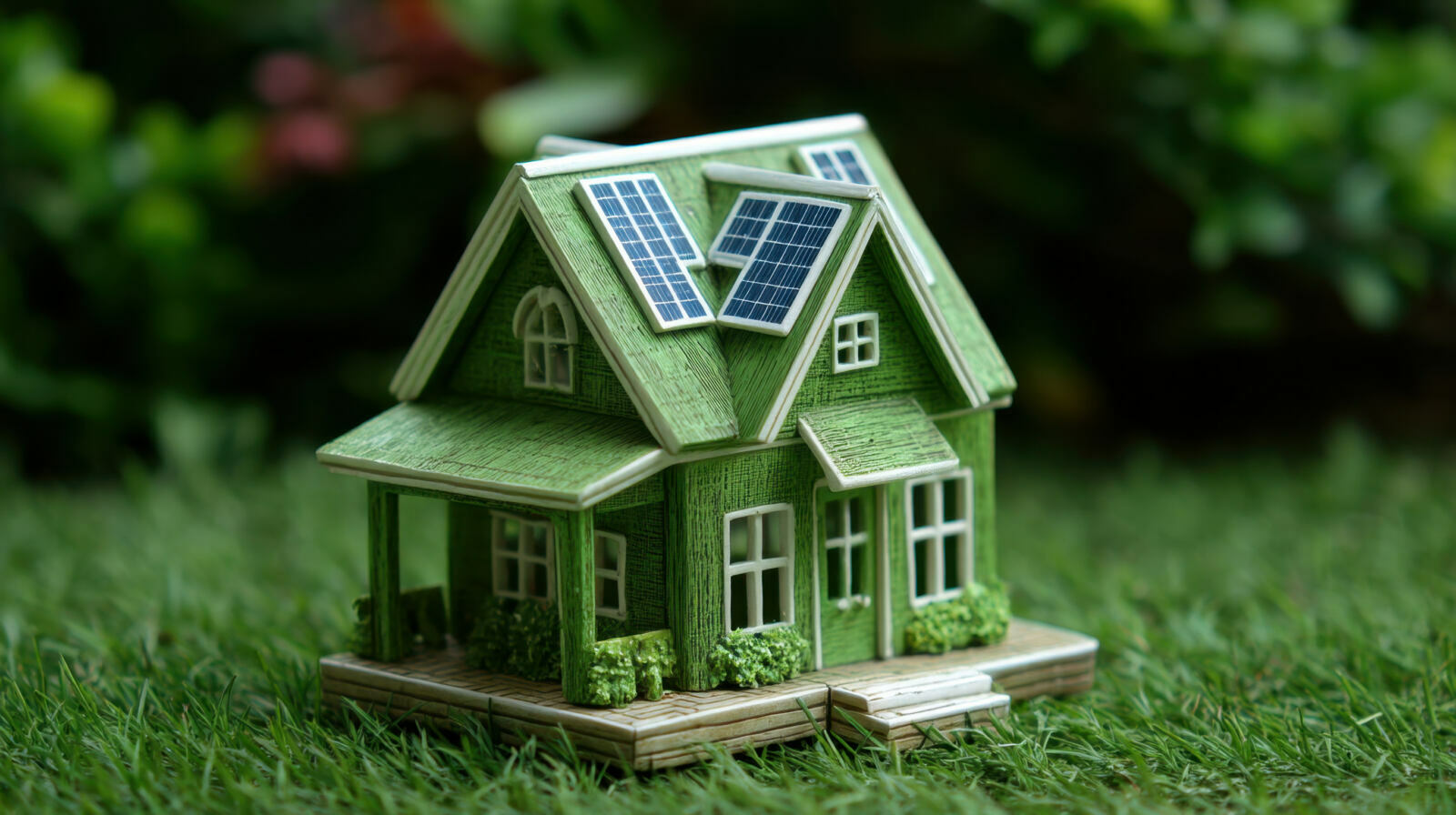
Consider Solar Panels
Solar technology has come a long way, and the costs have dropped dramatically. Federal tax credits and state incentives can cover a significant portion of the installation cost.
The math on solar works especially well if you plan to stay in your home for several years. You'll see immediate savings on your electric bill, and if you ever sell, solar panels are a major selling point for buyers who care about sustainability and long-term costs.
Even if your roof isn't ideal for solar, you might be able to participate in a community solar program, where you buy into a shared solar array and receive credits on your electric bill.
Don't Overlook Water Efficiency
Eco-friendly isn't just about energy. Older homes often have original plumbing fixtures that waste gallons of water daily.
Replacing old toilets with low-flow models, installing water-efficient showerheads, and fixing leaky faucets can cut your water usage dramatically. These upgrades are relatively inexpensive and pay for themselves quickly.
If you're feeling ambitious, a tankless water heater provides hot water on demand without keeping a huge tank heated 24/7. The upfront cost is higher, but the energy savings add up over time.
The Long-Term Payoff
"A lot of homeowners hesitate when they see the price tag on energy-efficient upgrades," says Mike Oddo, CEO of HouseJet. "But the reality is that in the long run, it's absolutely worth spending the money because of what you'll save over the long term. Lower utility bills, increased home value, and better comfort—these improvements pay dividends for years to come."
He's right. While the initial investment might feel steep, most energy-efficient upgrades pay for themselves within a few years through reduced utility bills. After that, it's pure savings.
Getting Started
The key to making your older home more eco-friendly is to start somewhere. You don't have to do everything at once. Even tackling one or two projects can make a meaningful difference.
HouseJet recommends that homeowners interview a couple of providers in each category prior to pulling the trigger to spend money. Getting multiple quotes helps you understand fair pricing and find contractors who really know their stuff. A local real estate agent can help with making those connections—they work with contractors regularly and know who does quality work.
Your older home has character that new construction just can't replicate. With some thoughtful upgrades, you can preserve that charm while creating a more sustainable, comfortable, and affordable place to live. Future you—and your bank account—will thank you.