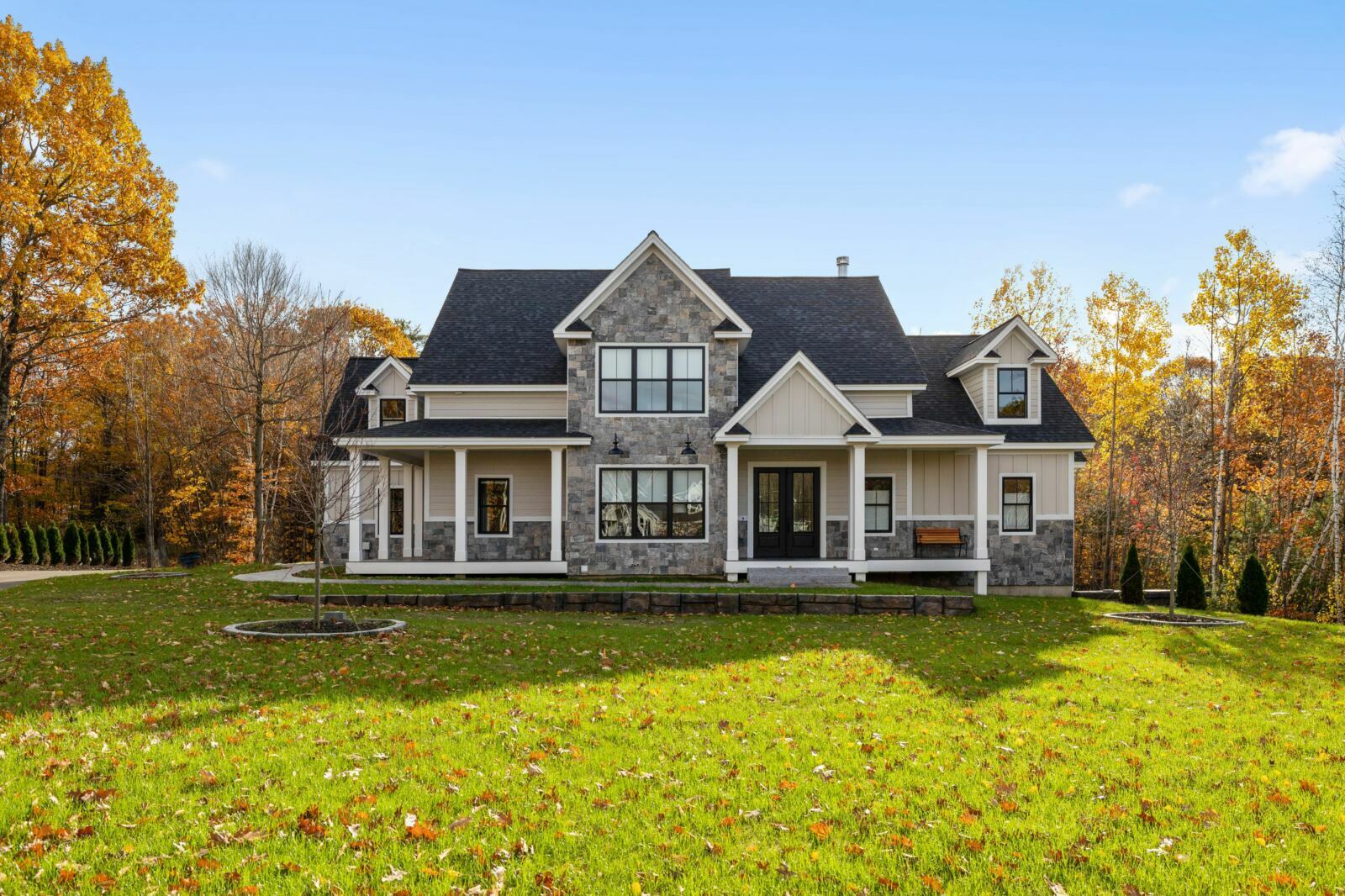

If you've been paying attention to your neighborhood lately, you've probably noticed something a little strange. One house went up for sale, and within ten or twelve days there was a Sale Pending sign in the front yard. A few blocks over, another listing has been quietly sitting there since right after the holidays, with the same tired photos on Zillow and a price that hasn't budged an inch.
Same neighborhood. Same school district. Sometimes even the same floor plan. So what gives?
Welcome to the two-speed housing market of 2026. It's the reality every seller needs to understand before they put a sign in the yard, because the gap between the fast lane and the slow lane has never been wider — or more expensive.
Here's the data that matters. Across most U.S. markets right now, well-priced homes are going from list to close in around 63 days, while overpriced homes are sitting on the market for an average of 121 days. That's nearly a four-month difference for what is often the same kind of house in the same kind of neighborhood. And the longer a home sits, the more it costs the seller — in carrying costs, in price reductions, and in buyer perception.
So why the split? The honest answer is that today's buyers have more information and less patience than ever before. Mortgage rates have settled into a higher-for-longer range than we got used to in the 2010s, hovering around 6.5% through most of 2026. That extra cost of money makes buyers picky. They're not throwing offers at anything that pops up. They're comparing every listing against a dozen others, running the numbers down to the dollar, and walking away the moment something feels overpriced.
Inventory has loosened up, too. After years of historically tight supply, we're now sitting at roughly 4.2 months of housing inventory nationally, the closest thing to a balanced market we've had since 2019. Buyers can shop again. They can wait. And they will.
Add it all up, and you get a market that rewards sellers who price right out of the gate and quietly punishes sellers who try to chase the market on the way down.
Getting it Right The First Time
Mike Oddo, CEO of HouseJet, put it this way recently: "The biggest mistake I see sellers make in 2026 isn't the wrong paint color or a dated kitchen. It's pricing the home for the market they wish they had instead of the one that actually exists. Today's buyers are smart, informed, and patient — and the first thirty days on the MLS is the most valuable real estate you will ever own. Waste that window, and you'll spend the next four months trying to win it back."
He's right. There's a reason real estate pros talk about those first 30 days like they're sacred. That's when your listing has the most online attention, the most agent attention, and the most buyer interest. Price your home where the data says it should be, and you tap into all of that energy at once. Get it wrong, and you're essentially announcing to the market that you don't know what your home is worth — and the market will happily teach you.
So how do you make sure you're on the 63-day side of the divide instead of the 121-day side? A few things move the needle far more than anything else.
Start with a real, data-driven price. Not what your neighbor swears their cousin's house sold for. Not what Zillow's algorithm guessed last Tuesday. Not what you wish you could net to fund the next chapter of your life. A real price comes from looking at homes in your specific area that have actually closed in the last 60 to 90 days, with similar square footage, similar condition, and similar features. Pay close attention to pending sales, too. Pendings tell you what buyers are agreeing to right now, not what the market looked like a year ago.
Here's a small but important truth. Pricing slightly under what you think the market will bear almost always sells faster, and often sells for more, because it generates competition between buyers. Pricing aggressively above the comps almost always leads to price drops — and price drops signal weakness, which invites lowball offers and skeptical showings.
Next, get the home truly ready before it hits the market. In a two-speed market, condition is the great divider. Buyers are looking at professional listing photos on a phone screen during their lunch break, swiping through twenty homes in one sitting. If yours looks cluttered, dim, or dated in those first three photos, you've already lost half your audience before anyone walks through the door.
Declutter ruthlessly. Neutralize bold paint. Fix the obvious stuff — the dripping faucet, the scuffed baseboards, the stained carpet in the hallway. Spring for professional photography and, if your home shows well, a short video tour. None of this is extra anymore. In 2026, this is table stakes.
Pay attention to the small inspection items, too. Buyers today are running every number in a spreadsheet. A roof that's clearly near the end of its life, a furnace from two presidencies ago, or an electrical panel that screams "this is going to need work" gives buyers a reason to either walk away or come in low. Address what you can ahead of time, and price honestly for what you can't.
The Bottom Line
And then — this is the one most sellers underestimate — choose the right partner. The difference between an agent who truly understands how to position a home in this market and one who's still running on 2021 muscle memory is enormous. The fast-moving listings in your neighborhood almost always have one thing in common: a pricing strategy and a marketing plan that meet today's buyers where they actually are.
That's exactly the gap HouseJet believes sellers have to close. Only top-performing local agents who specialize in pricing precisely, marketing aggressively, and getting homes sold inside that critical first 30-day window. No guesswork. No random referral. No "my brother-in-law just got his license." Just look for agents with real performance data and a clear, modern process built for the market we're actually in — not the one we miss.
Here's the bottom line. The two-speed market isn't a fluke, and it isn't going away anytime soon. As long as rates stay elevated and inventory stays balanced, buyers will keep rewarding sharp listings and punishing slow ones. The good news? The choice is almost entirely in the seller's hands. Price right. Present right. Partner right. Do those three things and you're sitting comfortably on the 63-day side of the line.
If you're thinking about selling this spring or summer and you want to make sure your home lands in the fast lane, head over to HouseJet.com. Get matched with a top local agent, get a real, data-backed look at what your home should sell for in today's market, and put yourself in position to be the house your neighbors are talking about — the one that sold in two weeks.