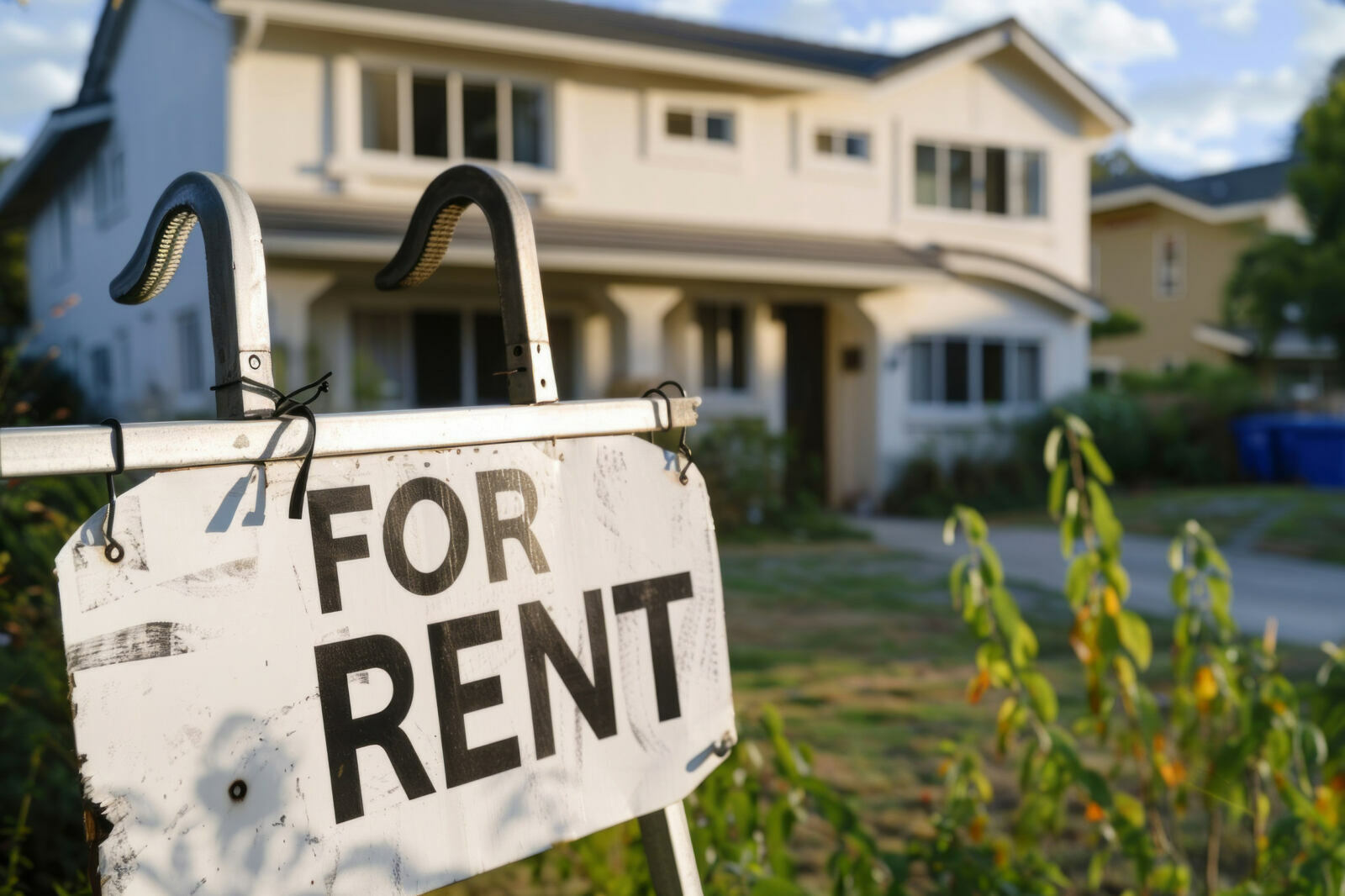

So you've been watching the real estate market, and you're not loving what you're seeing. Maybe prices have dipped a bit in your area, or maybe interest rates are making it harder to find qualified buyers. Whatever the reason, you're starting to think: "What if I just rent this place out for a while and wait for things to get better?"
It's a thought that crosses a lot of homeowners' minds, especially when selling conditions aren't ideal. And hey, on the surface, it sounds pretty smart, right? You get to keep the property, collect some rental income, and then sell when the market swings back in your favor. Win-win!
But before you start posting listings on Zillow and screening potential tenants, let's talk about what this decision actually involves—because becoming a landlord, even temporarily, is way more complicated than most people realize.
Why Renting Seems Like a Good Idea
First, let's acknowledge why this strategy appeals to so many homeowners. The logic makes sense: if you sell now during a slower market, you might leave money on the table. But if you can rent the place out and cover your mortgage (or even pocket a little extra), you're essentially buying time for the market to rebound.
Plus, rental income can help offset the cost of your next housing situation, whether you're buying another home or renting somewhere else yourself. And if you're moving for work or personal reasons but don't want to completely let go of a property you love, renting feels like a middle ground.
The strategy can work particularly well if you're relocating temporarily—say, for a two-year job assignment—and you know you'll eventually want to move back. In that scenario, keeping the house and renting it out actually might be your best move.
The Reality Check: What Renting Actually Involves
Here's where things get real. Being a landlord isn't just collecting rent checks and calling a plumber once in a while. There's a whole universe of responsibilities, costs, and headaches that catch most accidental landlords completely off guard.
The Money Stuff Gets Complicated Fast
Let's start with finances, because that's usually what trips people up first. You might think, "My mortgage is $2,000 a month, and I can rent the place for $2,500, so I'll make $500!" Not quite.
You've got property taxes, homeowners insurance (which often goes up when you rent), maintenance costs, repairs, potential vacancy periods, property management fees if you hire help, and the very real possibility that your tenant trashes the place or stops paying rent. That $500 profit can evaporate pretty quickly—or turn into a monthly loss.
And speaking of taxes, your tax situation changes when you become a landlord. You'll have rental income to report, which could bump you into a different tax bracket. Yes, you can deduct expenses, but that means keeping meticulous records of everything. It's not just "set it and forget it."
The Time Commitment Nobody Mentions
Even if you hire a property manager (which will cost you around 8-10% of your monthly rent), you're still going to spend time dealing with landlord stuff. Late-night calls about broken water heaters. Disputes over security deposits. Dealing with lease renewals or finding new tenants when the current ones leave.
If you manage the property yourself to save money, multiply that time commitment by about ten. You're now in the customer service business, and your customers live in your investment.
The Legal Maze You're Walking Into
Here's something most people don't think about until it's too late: landlord-tenant law is incredibly complex and varies wildly depending on where you live. Some cities and states are extremely tenant-friendly, with strict rules about evictions, required property conditions, security deposit handling, and rent increases.
Break these rules—even accidentally—and you could face serious fines or legal action. And evicting a problem tenant? That process can take months and cost thousands of dollars, all while they're living rent-free in your property.
What Mike Oddo Thinks About This Strategy
Mike Oddo, CEO of HouseJet, has seen plenty of homeowners go down this road. Here's his take:
"Look, there are definitely situations where renting out your home makes financial sense, especially if you're relocating temporarily or the rental market in your area is really strong. But here's what I tell people: accidentally becoming a landlord is one of the fastest ways to turn what seems like a good financial decision into a major headache. The costs—both financial and emotional—are almost always higher than people expect going in. Between property damage, tenant issues, vacancies, and all the regulations you need to follow, that 'easy rental income' can become a part-time job you never wanted. Before you commit to this, really sit down and run the numbers, and I mean all the numbers, including the stuff that could go wrong."
The Hidden Costs That Sink the Strategy
Let's dig into some specific expenses that catch landlords by surprise:
Vacancy periods – Your property won't always be rented. National average vacancy rates run between 5-8%, meaning you should budget for at least one month per year without rental income.
Maintenance and repairs – That furnace won't last forever. Neither will the roof, the water heater, or the appliances. Most experts recommend budgeting 1-2% of your property's value annually for maintenance and repairs.
Property management – Unless you live nearby and enjoy being a landlord, you'll probably want help. That'll cost you hundreds of dollars monthly.
Turnover costs – Every time a tenant moves out, you'll likely need to clean, paint, make repairs, and possibly offer concessions to attract the next tenant.
Legal fees – If you need to evict someone or deal with a dispute, lawyer fees add up quickly.
The Emotional Toll
Here's something nobody talks about enough: the stress of being a landlord can be brutal. This is especially true if the property you're renting is your former home—a place you have emotional attachment to.
Watching tenants treat your beloved house differently than you did (and trust me, they will) is hard. Getting calls at 10 PM about problems. Worrying about whether rent will arrive on time each month. Stressing about what condition the property will be in when they eventually move out.
For many people, this emotional burden ends up being worse than any financial calculation.
Where to Learn What You're Actually Getting Into
If you're still considering this route, HouseJet recommends doing serious homework first. Start with your state's housing authority website—most states have detailed guides about landlord responsibilities and tenant rights. The U.S. Department of Housing and Urban Development (HUD) also offers resources about fair housing laws you'll need to follow.
Your city or county website should have information about local ordinances, required rental licenses or permits, and inspection requirements. Some municipalities require annual inspections or special permits just to rent out a property.
It's also worth talking to a real estate attorney in your area who specializes in landlord-tenant law. Yes, this costs money upfront, but it's way cheaper than making expensive legal mistakes later.
And honestly? Talk to actual landlords. Find people who rent out properties in your area and ask them about their experiences. Most will be brutally honest about what it's really like.
The Bottom Line
Renting out your home to wait for better selling conditions can work, but it's definitely not the simple solution it appears to be at first glance. You're not just postponing a sale—you're starting a business, and that business comes with real costs, serious legal obligations, and potential headaches you probably haven't considered.
For some homeowners, particularly those with experience managing properties or those facing unique circumstances, it might still be the right call. But for most people, especially first-time landlords, the downsides often outweigh the benefits.
Before you make this decision, take off the rose-colored glasses and look at the full picture. Run the numbers conservatively, research the legal requirements in your area, and really think about whether you want to be in the landlord business. Because that's exactly what you're signing up for—and it's a bigger commitment than most people realize until they're already in too deep.