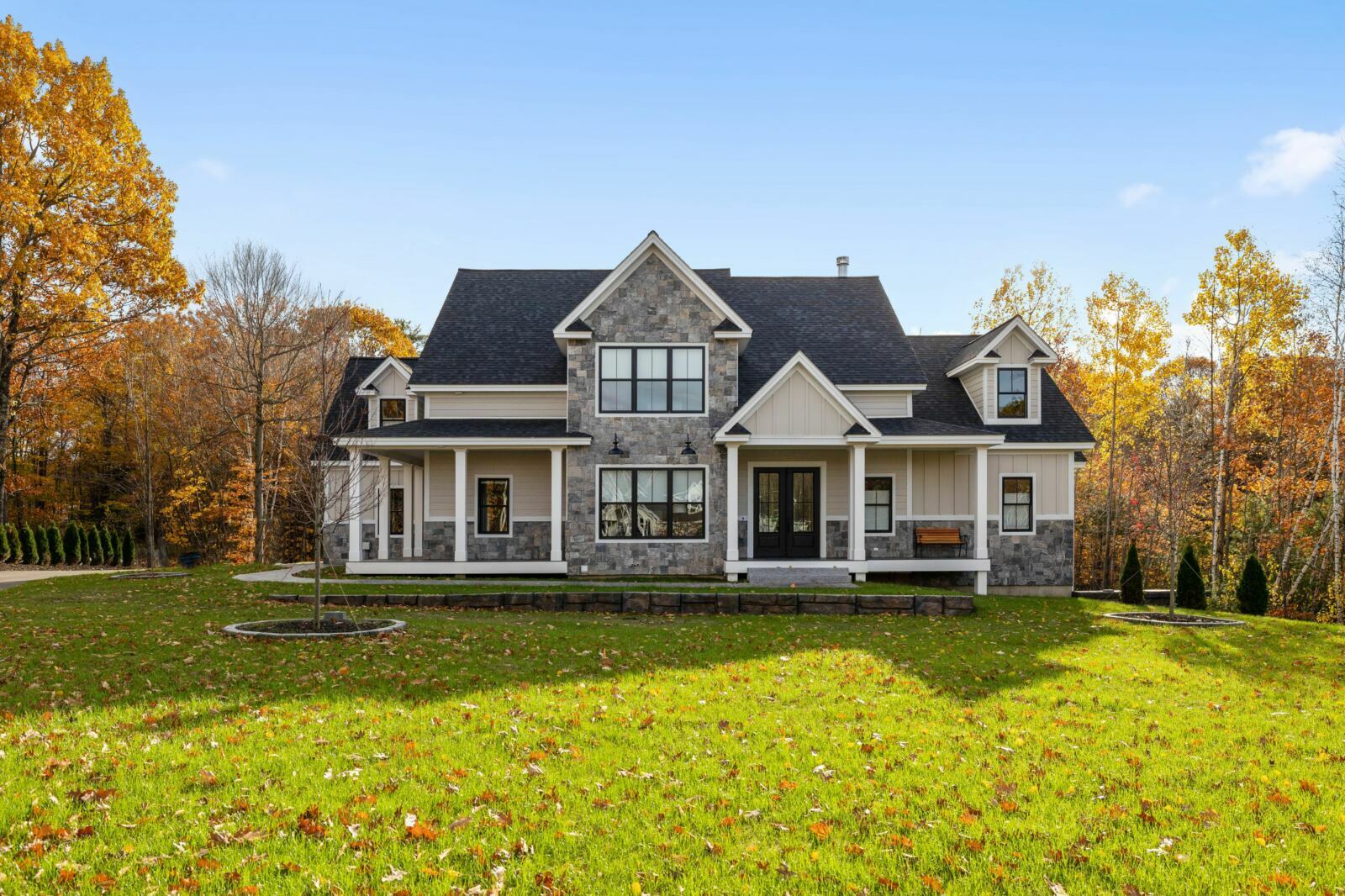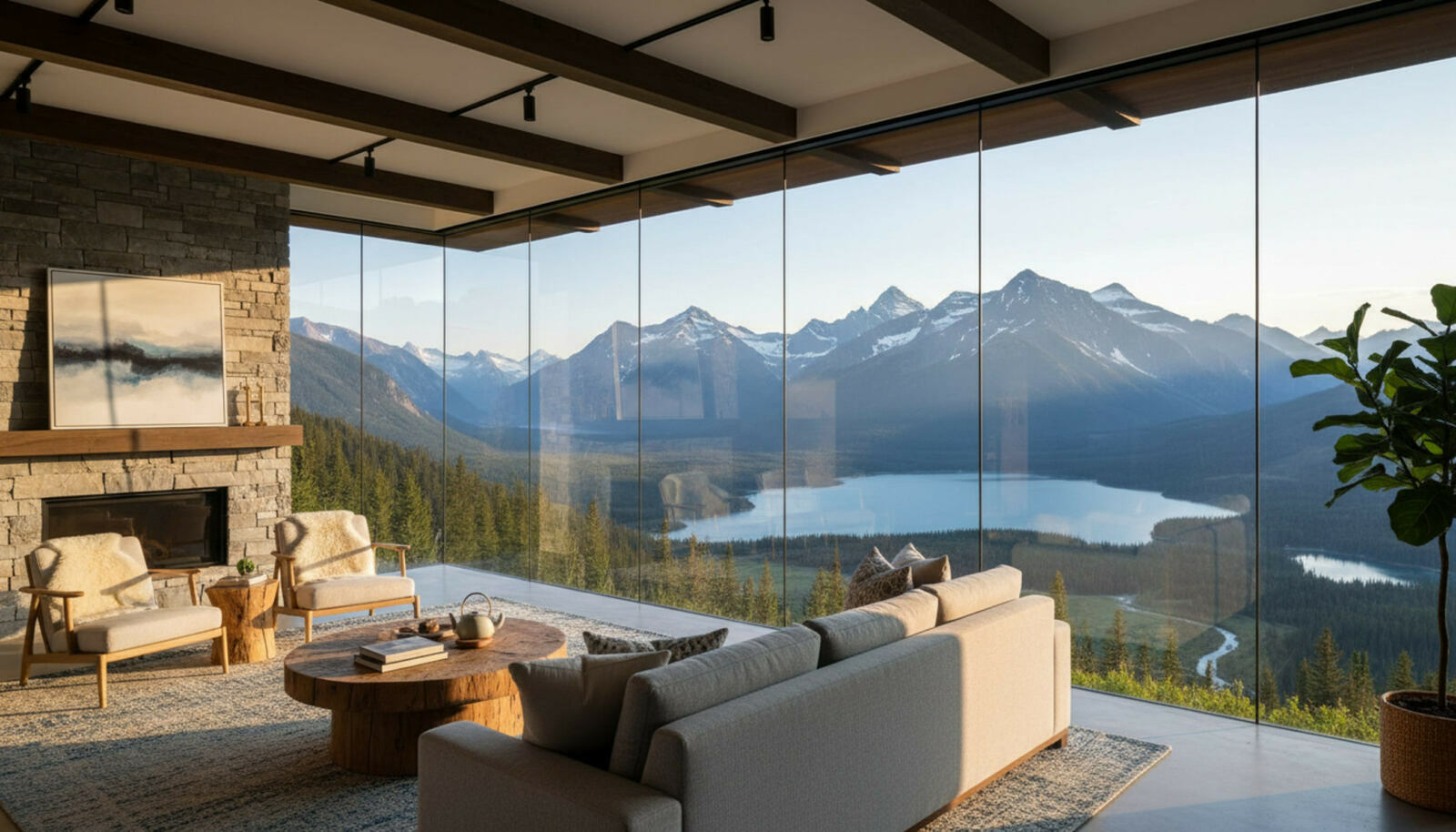

There's something funny happening in the real estate world right now. While the big-city condo market has cooled in a lot of places, vacation homes near lakes, mountains, and scenic natural areas are holding their value — and in many cases, growing stronger. Buyers who once dreamed of a second home "someday" are pulling the trigger, and the reasons go a lot deeper than just wanting a place to unwind on weekends.
If you've ever wondered whether a vacation property is a smart investment or just a feel-good splurge, this one's for you.
The Shift Toward Experience-Based Wealth
Something changed after 2020 that the real estate market is still adjusting to. People stopped measuring success purely by their primary home and started asking a different question: What kind of life does my money actually buy me?
That shift opened up a whole new way of thinking about second properties. A vacation home near a lake or tucked into a mountain community isn't just a real estate asset. It's a lifestyle asset. And lifestyle assets carry a kind of emotional premium that you simply don't get from a suburban investment property or a rental condo.
That premium is real, and it shows up in the numbers. According to the National Association of Realtors, vacation home sales have consistently represented a meaningful share of overall residential transactions, with demand especially strong in drive-to destinations — places people can reach in a few hours without dealing with airports and TSA lines.
That word "drive-to" matters more than people realize.
Why Proximity to Water and Mountains Changes Everything
Ask a real estate agent who works near a lake community what their most common buyer question is, and they'll probably tell you it's something like: "How far is it from the water?" Not near the water — from the water. Buyers want to feel the pull of nature, not just the idea of it.
There's a psychological component here that's hard to overstate. Properties situated close to a lake or mountain range give buyers something that no amount of high-end finishes can fake: a sense of place. You can renovate a kitchen. You can't manufacture a view of the Smoky Mountains or the sound of water lapping against a dock thirty steps from your back door.
This is exactly why lakefront and mountain-adjacent properties tend to hold their value better during market downturns. They're simply harder to replicate. A developer can build more townhomes. Nobody's building more lake frontage.
For seasonal buyers specifically, proximity is a demand driver in both directions. When the market is hot, buyers compete fiercely for properties with direct water access or ski-in, ski-out mountain access. When the market softens, those same properties don't take the same hit as generic vacation condos because the scarcity factor doesn't go away.
The Investment Case for Vacation Properties
Let's talk about money for a minute, because this isn't just about sunsets and s'mores.
A well-chosen vacation home near a popular natural destination can generate income through short-term rentals during the seasons you're not using it. Platforms like Airbnb and VRBO have made it easier than ever for owners to monetize their downtime weeks, and buyers in markets like Lake Tahoe, the Ozarks, the Blue Ridge Mountains, and the Texas Hill Country have discovered that a property that earns rental income several months a year changes the entire financial equation.
It's worth noting that not every vacation market is equal. The strongest rental performers tend to share a few traits: they're within a reasonable drive of a major metro area, they offer year-round appeal (skiing in winter, hiking and swimming in summer), and they sit in communities where short-term rentals are still welcomed and regulated sensibly.
Mountain communities with four-season appeal — think Asheville, Gatlinburg, Breckenridge, or Park City — have shown remarkable resilience because they're not dependent on a single season to drive demand. Lakefront communities within two to three hours of cities like Dallas, Chicago, Nashville, or Atlanta attract weekend warriors consistently enough to keep occupancy rates healthy.
And here's a detail that often gets overlooked: appreciation. Vacation properties in high-demand natural corridors have, in many cases, outpaced suburban markets over the past decade. That's not a guarantee going forward, of course — no investment is — but the supply constraints in these areas work in owners' favor over the long haul.
What Mike Oddo, CEO of HouseJet, Has to Say
Mike Oddo has watched buyer behavior shift dramatically in the vacation home space, and he's direct about what he sees:
"The buyers who ask about vacation properties near lakes or mountains aren't just looking for a getaway — they're making a calculated decision about where wealth is heading. Natural amenity is one of the few things in real estate that genuinely can't be manufactured, and smart buyers understand that. A property with real access to water or mountain terrain is going to maintain its appeal regardless of what interest rates are doing, because the experience it delivers doesn't change. That's what makes these markets so compelling right now."
It's a sharp observation, and it lines up with what the data has been showing across vacation markets nationwide.
The "Local Getaway" Trend: Shorter Distance, Stronger Demand
One of the more interesting developments in the vacation home world is what some buyers are calling the "local getaway" model. Instead of purchasing a property in a far-flung destination that requires a flight to reach, they're buying within two hours of their primary home.
The logic is simple: if you can use it on a random Thursday afternoon, or sneak away for a long weekend without a major production, you'll actually use it. And a property you actually use is a property you're maintaining, protecting, and enjoying — which keeps both the condition and the resale value stronger over time.
This trend has been especially strong in Texas, where buyers near Dallas and Houston have turned the Hill Country and East Texas lake regions into serious vacation property markets. The same pattern plays out near Denver (mountain towns in the Rockies), near Atlanta (North Georgia mountains and Lake Lanier), and near Minneapolis (the Minnesota lake country that gets enormous summer traffic).
Proximity to a major population center plus proximity to a compelling natural amenity is the combination that serious vacation property investors are targeting right now. Both boxes have to be checked.
Perception of Value: The Emotional Premium
Here's something that rarely shows up in investment spreadsheets but absolutely drives buyer behavior in vacation markets: the story a property lets you tell.
There's a reason people describe their lake house or mountain cabin with a different kind of pride than they describe their primary home. Those properties carry identity. They're where families gather, where kids learn to kayak, where friends come for long weekends every summer. That emotional attachment creates a loyalty in buyers that is genuinely unusual in real estate.
What this means practically is that vacation properties with strong natural settings command prices that pure financial logic sometimes can't fully explain. Buyers stretch their budgets for lakefront access in a way they might not for a comparable property two blocks from the water. They pay premiums for mountain views that disappear from certain windows in winter. The perception of value and the actual use-value merge in ways that are unique to this category.
For sellers, this is a tremendous advantage when the time comes to exit. For buyers, it's a reminder to think about what the property means to you beyond the rental income projections.
HouseJet's Recommendation
If you're seriously considering a vacation property near a lake or mountain community, the team at HouseJet recommends starting with a clear-eyed look at three things before you fall in love with any specific listing:
Drive time from your front door. Properties within two hours of your primary home get used. Properties that require three or four hours tend to sit empty more than their owners expect.
Year-round versus single-season appeal. A property that draws visitors only in summer or only in ski season carries more revenue risk than one that sees consistent traffic across multiple seasons.
Short-term rental regulations in that specific market. Rules have changed significantly in many vacation communities, and what was permitted three years ago isn't always permitted today. Know the current rules before you buy.
Find an agent that gives buyers access to vacation market data and connects you with agents who specialize in these communities — people who know the rental numbers, the seasonal dynamics, and the local regulations that can make or break the investment case.
The Bottom Line
A vacation home near a lake or mountain isn't for everyone, but for the right buyer, it checks more boxes than almost any other real estate investment: personal enjoyment, potential rental income, long-term appreciation driven by genuine scarcity, and the kind of emotional value that keeps owners holding through market cycles rather than selling at the wrong time.
The proximity factor isn't a soft consideration. It's a core driver of demand, pricing, and long-term satisfaction. The closer you are to the water or the peaks, the more the numbers — and the feelings — tend to work in your favor.