
For the last few years, just about every conversation about real estate has started with the same complaint: there’s nothing to buy, and what is for sale is too expensive. That story still holds in plenty of places. But it doesn’t hold everywhere — and three of America’s most talked-about cities have flipped hard into something buyers haven’t seen in a long time. A real, honest-to-goodness buyer’s market.
Miami, Nashville, and Houston. All three were red-hot a few years ago. All three were the cities people moved to. And all three are now sitting on more sellers than buyers, with the kind of negotiating leverage that makes house-hunters do a double take.
If you’ve been waiting on the sidelines, this is the kind of window worth understanding before it closes.
Three Potentially Good Options for Buyers
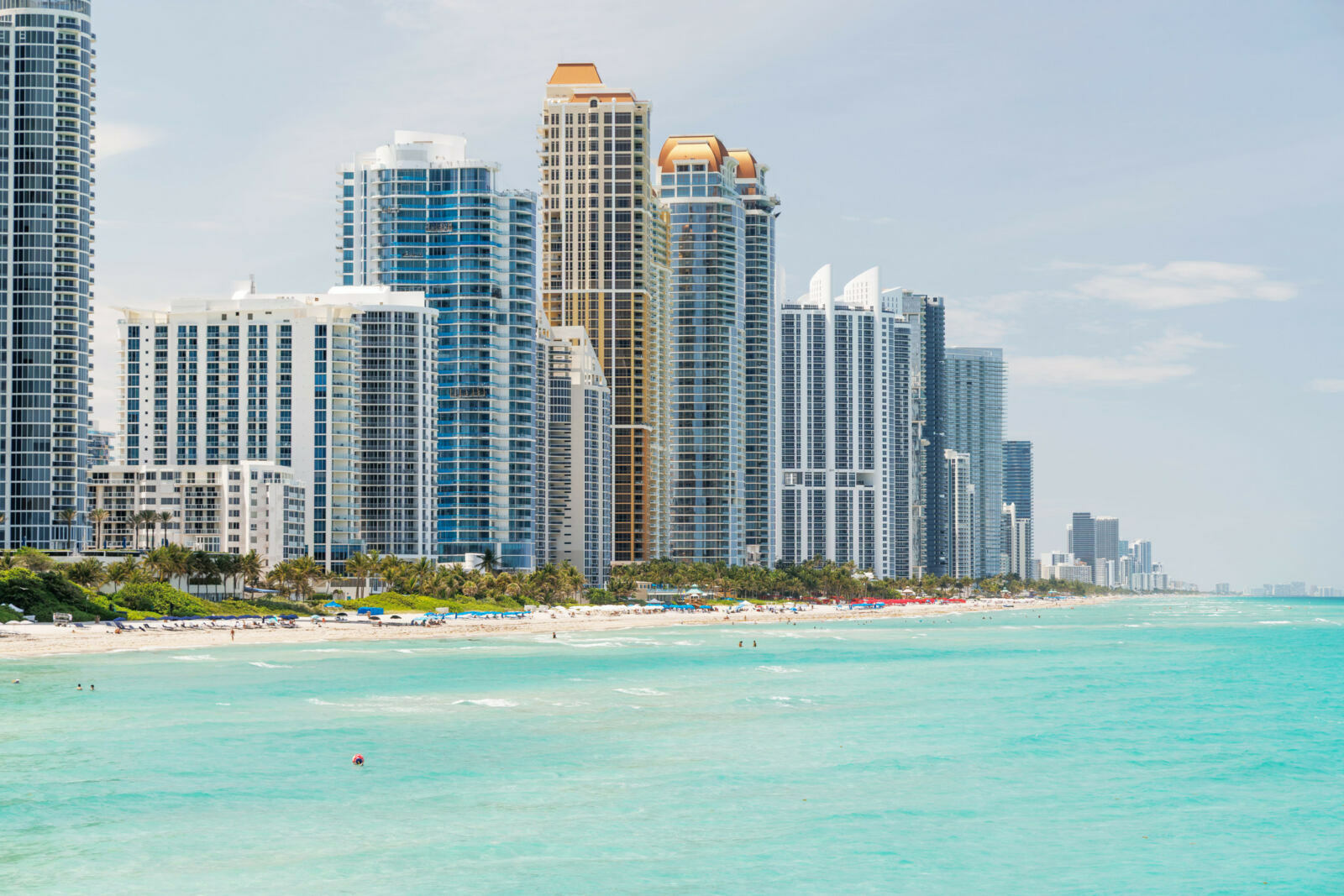
Let’s start with Miami, because the shift there is the most surprising. For most of the pandemic and the years after, Miami was the poster child for the migration boom. Money was pouring in from New York, from California, from overseas. Prices ran up fast. New condo towers kept going up. And the city felt like it was minting equity for anyone who already owned.
Then a few things happened at once. Insurance costs in South Florida went through the roof. Property taxes climbed. Inventory built up — especially on the condo side, where new towers kept delivering even as demand cooled. And a lot of the out-of-state money that drove the boom started pulling back as remote work eased and other markets opened up. The result: Miami today has noticeably more sellers than buyers, with price reductions becoming routine and luxury condos sitting on the market for months.
That’s not the Miami headline anyone was expecting. But it’s the Miami buyers can take advantage of right now.
Nashville is the second city worth watching closely. For years, Nashville was one of the hottest growth stories in the country. People kept moving in. Builders kept building. Investors kept buying short-term rentals. And the prices kept climbing past what locals could comfortably afford.
Then the music slowed down. Builders delivered a lot of inventory at once. Short-term rental rules tightened in parts of the metro, which pushed some investors to sell. Interest rates kept buyers cautious. And suddenly Nashville — which used to be a “write your best offer and pray” market — became a place where sellers are cutting prices, paying closing costs, and waiting weeks instead of days for an offer to come in.
Houston is the third one, and in some ways it’s the most stable of the three. Houston’s job market is still strong. Population is still growing. But supply has finally caught up with — and in some neighborhoods, passed — demand. Builders have been busy. Existing inventory has been climbing. And buyers are walking into Houston open houses with way more options than they had two years ago.
Add it all up and you’ve got three big, important metros that have quietly flipped to buyer-friendly conditions. That doesn’t happen often in places like these, and it usually doesn’t last long.
What, Exactly, is a Buyer's Market
In practice, it means a few things.
First, you can negotiate price. Sellers in Miami, Nashville, and Houston aren’t getting twelve offers anymore. They’re often getting one. That gives you room to come in below asking, especially on homes that have been sitting for a while. Days on market is one of your best negotiating tools — the longer a home has been listed, the more leverage you have.
Second, you can negotiate terms. Inspection contingencies are back. Appraisal contingencies are back. Closing cost credits are back. Sellers are agreeing to repair lists they would have laughed at in 2022. You can ask for a rate buy-down, an appliance credit, a home warranty — and you’ll often get at least some of it.
Third, you can actually shop. You can see a house, sleep on it, come back the next day, and it’ll still be there. That sounds basic, but anyone who tried to buy in 2021 knows what a difference it makes. You don’t have to make panic decisions. You can think.
Fourth, you can be picky about the house itself. Bad layout? Move on. Weird location? Move on. Roof needs replacing soon? Negotiate it or move on. In a buyer’s market, you can afford to wait for the one that actually fits, instead of grabbing whatever comes available.
Mike Oddo, CEO of HouseJet, says this is where the real opportunity lives. “A buyer’s market rewards the buyers who are prepared,” Oddo said in a recent conversation. “The people who win in markets like Miami, Nashville, and Houston right now aren’t the ones with the biggest budgets — they’re the ones who walk in knowing the comps, knowing the days on market, knowing the seller’s situation, and knowing exactly what they’re willing to pay. Prepared buyers in a buyer’s market get the deal of a lifetime. Unprepared buyers in a buyer’s market still pay full price, because they don’t realize they didn’t have to.”
That’s the part people miss. Buyer’s markets don’t hand out deals automatically. They hand out deals to the buyers who are paying attention.
Now, all of that said — none of these three cities is a bargain bin. Miami still has its insurance and tax issues. Nashville is still pricey compared to where it was a decade ago. Houston has its own quirks around flood exposure and property taxes. The shift to a buyer’s market doesn’t erase those realities. It just gives you more room to factor them in without getting steamrolled by competing offers.
And that’s where preparation really matters. HouseJet has been recommending that buyers in these three metros run a few specific moves before they start touring homes. Pull comps on every property you’re seriously considering — not just sticker price, but recent sale prices on similar homes, days on market, and price-cut history. Get an insurance quote early, especially in Miami. Know your true monthly carrying cost, including taxes and insurance, not just the mortgage payment your lender quotes you. That kind of homework is what separates the buyer who walks away with a steal from the buyer who walks away thinking they got one.
HouseJet's Tips for These Three Metros
In Miami, look hard at insurance, condo association financials, and assessment history. The price is negotiable. The structural and financial health of the building is not. A great deal on a condo with a coming special assessment isn’t a great deal at all.
In Nashville, watch what’s happening with builder inventory. Builders in growth markets often have the best incentive stacks, and resale sellers are starting to compete with them, which means you can sometimes play one off the other.
In Houston, pay attention to flood maps and elevation. Some of the best price drops are in areas with more flood exposure. That doesn’t automatically rule them out — but it does mean you want the full risk picture before you write an offer.
The bigger point is just to recognize what kind of market you’re actually walking into. Miami, Nashville, and Houston have all been seller’s markets for so long that it’s easy to assume they still are. They’re not. The dynamic has flipped, and the buyers who notice early get rewarded the most.
Markets cycle. They always have. Right now, three of America’s most-talked-about cities are giving buyers a kind of leverage they haven’t had in years. Whether you act on it depends on whether you’re ready — and whether you do the homework before you start touring.
Because in a buyer’s market, the best deals don’t go to the loudest buyers. They go to the most prepared ones.