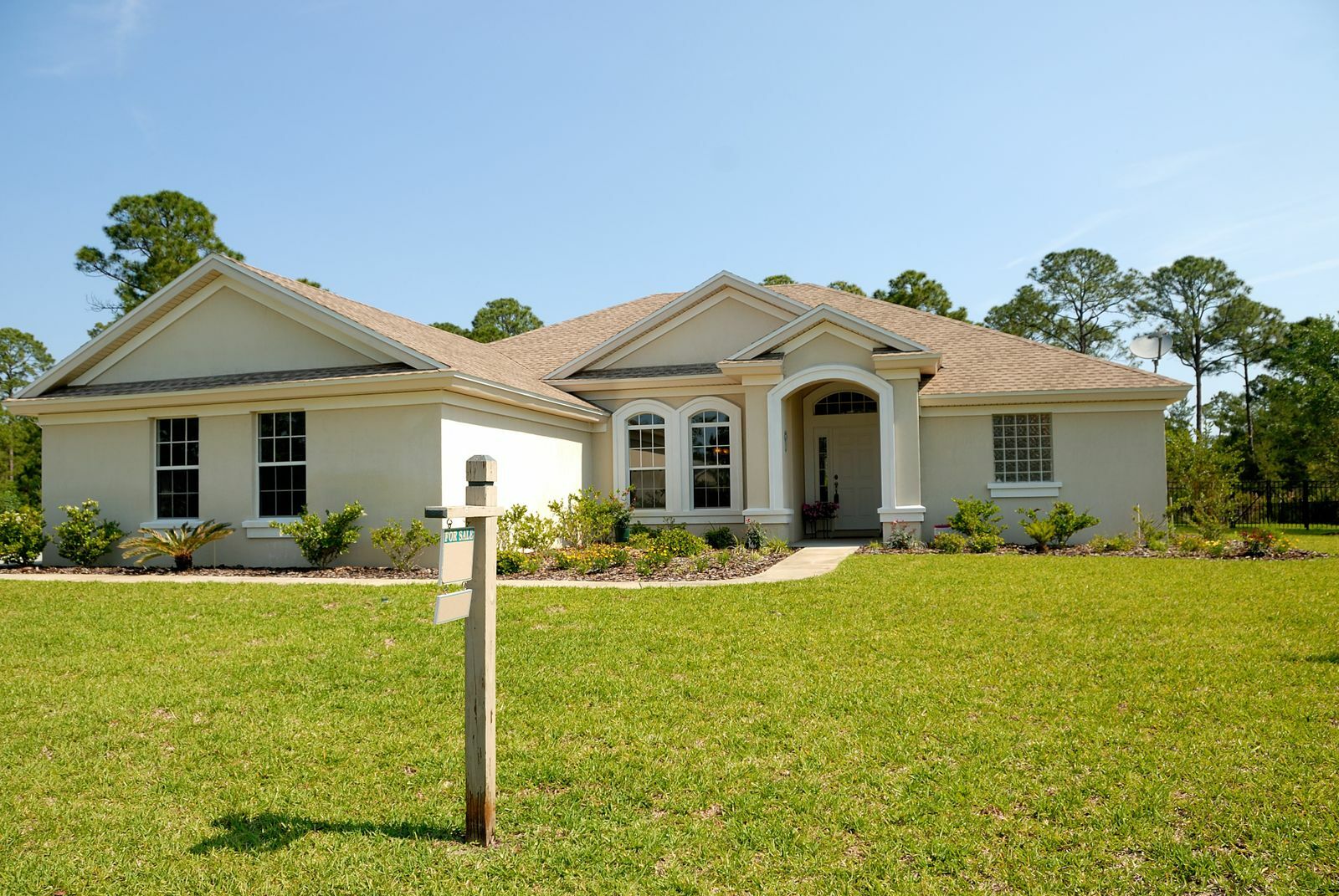

If you have spent the past several months shopping for a home and coming up short on resale listings, the newest construction data hands you something worth knowing. While existing homes have stayed in short supply and have been slow to change hands, builders just delivered a different signal. New single family home sales held near a 2026 high in September, and the average price of what sold fell faster than almost anything else in the market. That pairing, steady sales alongside lower average prices, changes the math for anyone still deciding between a resale home and a brand new one.
The headline figure came from the U.S. Census Bureau and the Department of Housing and Urban Development, which reported on October 27 that new single family homes sold at a seasonally adjusted annual rate of 676,000 in September. That is a hair below the revised August pace of 680,000 and about 5.3 percent below the 714,000 pace of a year earlier. In plain terms, builders did not lose their footing even as mortgage rates climbed past 7 percent. They sold roughly as many new homes in September as they did in August.
What changed is the price of what they sold. The median price of a new home in September was $400,400, and the average was $472,800. The average is the number worth sitting with, because it fell 6.7 percent from $506,800 a year earlier. According to Census and HUD, that year over year decline is one of the few moves in the report that clears the agency's own statistical significance test. Builders are not just advertising discounts. The aggregate data shows the typical new home really is selling for less than it did last year.
For much of the past two years, new construction sat at the edge of most buyers' searches, treated as the pricier backup plan to a resale home. The September data shows that framing is stale. With resale inventory still thin by historical standards and many existing sellers holding firm on price, builders have become the one group in the market aggressively competing on cost. When a seller will not budge but a builder will, new construction stops being the backup and starts being the better deal.
Why the price is falling
A big part of that drop is mix. Under the hood, builders have been steering toward smaller and less expensive product. More than half of the new homes sold in September, 51 percent, went for under $400,000, with 20 percent of sales under $300,000. A year earlier, only 46 percent of new homes sold for under $400,000. So part of the lower average is simply that the homes changing hands are now leaner and cheaper to build.
But builders are also cutting on the same product. The National Association of Home Builders reported in mid October that 43 percent of builders reduced prices in its newest survey, the highest share of the 2020 to 2026 period, and 65 percent offered some form of sales incentive. Builder confidence slipped to its lowest reading since 2012. When a builder lowers a posted price, buys down a mortgage rate, or covers closing costs, none of that shows up neatly in a median, but all of it lands in your favor if you are the one sitting across the table.
The number you should not ignore
Here is the catch, and it is the figure worth acting on. Even as builders sold steadily, the stock of finished, move in ready homes kept shrinking. Of the 476,000 new homes for sale at the end of September, only 111,000 were completed and ready to occupy. The rest were still under construction or not yet started. A year earlier there were 122,000 finished homes sitting on the market, so the pool of houses you could actually move into right away is down about 9 percent. The median finished home has also been sitting on the market longer after completion, about 3.0 months in September versus 2.4 months a year earlier.
That combination, steady demand plus a thinning supply of finished homes, is why waiting can quietly work against you. Month to month, the overall months of supply ticked down to 8.4 months from 8.5 in August. That sounds like plenty until you remember that most of that supply is not ready to move into. If what you want is a home you can occupy soon rather than a lot that will take several months to build, the slice of the market you actually care about is smaller than it was last year and getting smaller.
The pattern is not uniform across the country. Sales rose in the Northeast and the West in September while the South, which accounts for roughly six out of every ten new homes sold, was little changed from a year earlier. That matters because new construction deals are a local story. A buyer in a metro where builders are sitting on finished inventory will find a very different conversation than one in a region that is still selling out.
None of this should push you into a decision you are not ready for. It should change the questions you ask. When you talk to a builder or a new home sales agent this fall, ask what is already completed and ready, not just what can be started. Ask for the incentive in writing and in dollars, whether it arrives as a price reduction, a rate buydown, or paid closing costs, then compare it against the resale alternatives on a true monthly payment basis rather than a sticker price basis. And ask which of the homes priced under $400,000 are move in ready right now, because that is the fastest growing slice of the market and the one where builders are most willing to deal.
The September new home sales report is not a story of a hot market or a collapsing one. It is a story of a market clearing through price. Builders are moving units by selling smaller homes and offering discounts, and the buyers who show up ready to act are the ones positioned to capture those concessions. None of this is a forecast about where prices or rates go from here, because no one can promise that. It is a snapshot of what is true today. The people who wait are betting the discounts will still be there next spring. Some will. The finished homes you could actually move into before the holidays might not.