
If you're worried that buying a home is out of reach financially, you're not alone. A lot of people assume they need a perfect credit score and a massive down payment to qualify for a mortgage.
The good news? That's not necessarily true.
There are actually several programs designed to help regular people—first-time buyers, veterans, rural residents, and moderate-income families—afford a home without draining their savings accounts.
Let's break down the most popular options available in 2026 and how they might work for you.
FHA Loans: The Gateway for First-Time Buyers
FHA loans are backed by the Federal Housing Administration, and they're one of the most popular choices for people who don't have a ton of cash saved up. You can qualify with a down payment as low as 3.5% if your credit score is 580 or higher. Even if your score is between 500 and 579, you might still get approved—though you'd need to put down 10%.
These loans also tend to be more forgiving when it comes to your debt-to-income ratio, which means you can carry a bit more debt and still qualify. The trade-off is mortgage insurance, which you'll pay monthly and upfront. It's not ideal, but for a lot of buyers, it's worth it to get into a home sooner.
VA Loans: A Thank You to Those Who Served
If you're a veteran, active-duty service member, or qualifying spouse, VA loans are tough to beat. These loans are guaranteed by the Department of Veterans Affairs and come with some serious perks: no down payment required, no private mortgage insurance, and competitive interest rates.
The VA funding fee does apply in most cases, but it can be rolled into the loan. And if you have a service-connected disability, that fee might be waived entirely. For veterans trying to transition into homeownership, this program removes a lot of the typical financial barriers.
USDA Loans: Zero Down in Rural and Suburban Areas
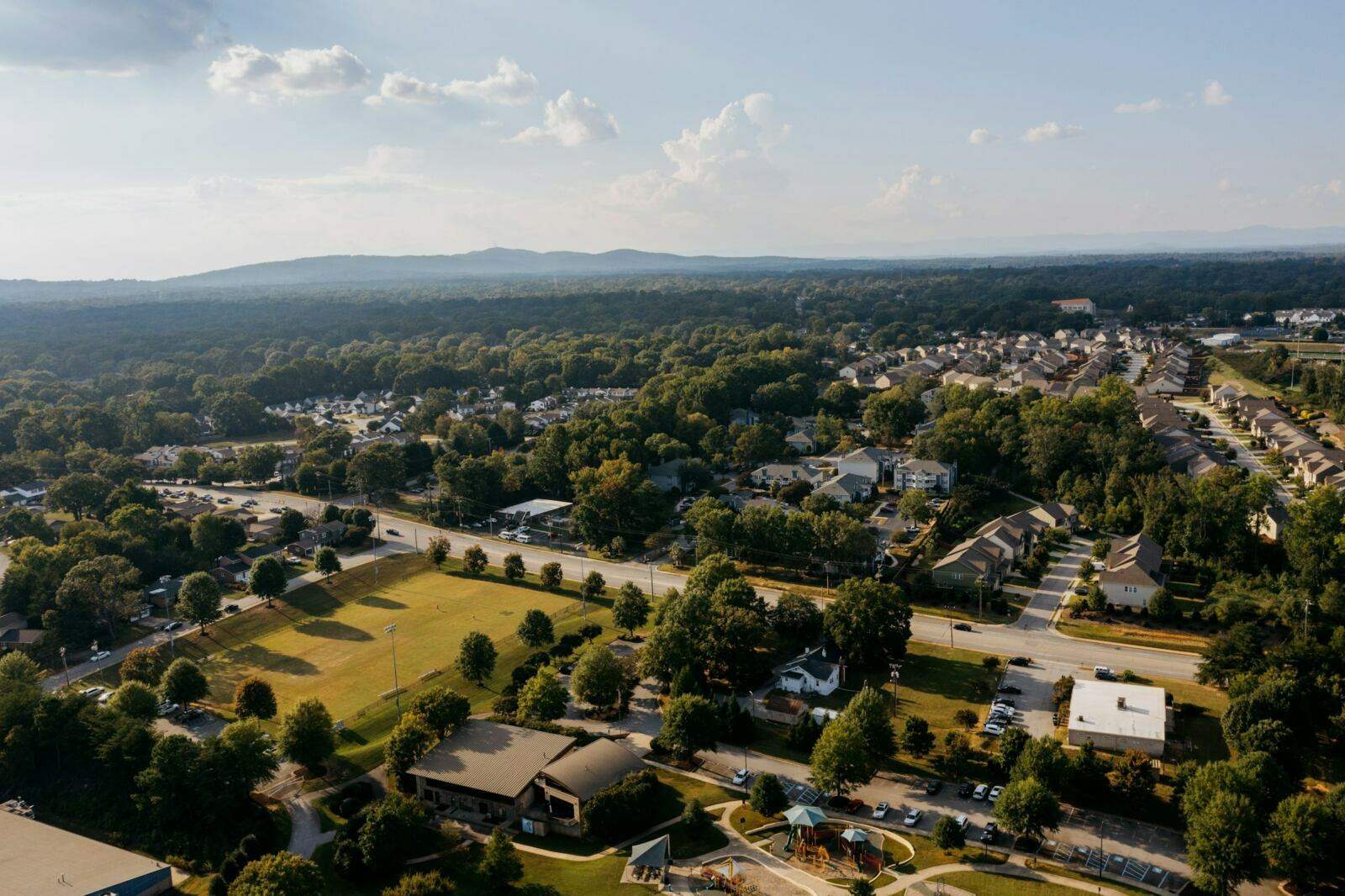
You might think USDA loans are only for farms in the middle of nowhere, but that's not the case. The U.S. Department of Agriculture backs these loans for homes in qualifying rural and suburban areas—and those areas are a lot more common than you'd think.
USDA loans don't require any down payment, which is huge. Your income does need to fall within certain limits based on the area, and the home has to be your primary residence. But if you meet the criteria, this is one of the best ways to buy a home without emptying your savings.
Assumable Loans: Take Over Someone Else's Low Rate
Here's one that doesn't get talked about enough: assumable mortgages. If the seller has an FHA, VA, or USDA loan, you might be able to assume their existing mortgage—including their interest rate.
In a market where rates have climbed, taking over a loan with a 3% or 4% rate could save you thousands over the life of the loan. You'll still need to qualify with the lender and cover the difference between the loan balance and the purchase price, but it's worth exploring if you're looking at homes with these types of loans.
HomeReady and Home Possible: Flexible Options for Moderate Incomes
Fannie Mae's HomeReady and Freddie Mac's Home Possible programs are geared toward buyers with low to moderate incomes. Both allow down payments as low as 3%, and they offer flexible credit requirements.
One cool feature: you can use income from non-borrower household members (like a relative living with you) to help qualify. These programs also accept alternative credit data and may offer lower mortgage insurance rates if you complete a homebuyer education course.
If you're stretching to afford a home but don't quite fit into the FHA mold, these are worth checking out.
HFA Programs: State and Local Help
Housing Finance Agencies exist in almost every state, and they offer a range of programs to help buyers—especially first-timers. These might include lower interest rates, down payment assistance, or special loan products for teachers, public safety workers, or other professions.
The programs vary widely depending on where you live, so you'll want to dig into what your state or city offers. Some HFAs have income limits or require you to buy in certain areas, but the benefits can be significant.
Down Payment Assistance: Free Money (Sort of)
Down payment assistance programs are out there, and they come in different forms: grants you don't have to pay back, low-interest loans, or forgivable loans that disappear after you live in the home for a certain number of years.
These programs are often run by state or local housing agencies, nonprofits, or even employers. Some are tied to specific loan types, like FHA or conventional loans. The catch? You usually need to meet income requirements, take a homebuyer education course, or purchase in a designated area.
"A lot of people go straight to their local bank or credit union thinking that's the best way to get an affordable mortgage," says Mike Oddo, CEO of HouseJet. "But the reality is, most traditional lenders don't specialize in these programs or know how to layer them together to maximize your buying power. You need someone who understands the full landscape of what's available."
How to Find the Right Program for You
With so many options, it's easy to feel overwhelmed. That's where doing your homework—and working with the right people—makes all the difference.
HouseJet recommends connecting with a mortgage broker or loan officer who specializes in down payment assistance and affordable loan programs. These professionals have access to multiple lenders and can help you find programs specific to your area that you might not discover on your own. Many county and state housing websites also have search tools where you can enter your location and income to see what you qualify for.
The bottom line: homeownership in 2026 is more accessible than a lot of people think. You just need to know where to look and who to ask.
Whether you're a veteran, a first-time buyer, or someone who thought homeownership was years away, there's probably a program out there that fits your situation. Take the time to explore your options, talk to a knowledgeable lender, and don't assume you're priced out before you've even tried.