
If you have been running the numbers on renting versus buying this fall, new data from Zillow Research helps explain why the math feels harder than it used to. Zillow's September 2026 Rent Report found that the typical new home buyer's monthly payment climbed 5 percent from a year ago, to $3,037, while the typical U.S. rent rose only 2.7 percent, to $1,932 a month. Buying costs are now climbing at nearly twice the pace of rent, and that gap is showing up in how people are making housing decisions.
The clearest sign of that shift is demand. Zillow's Observed Renter Demand Index, which tracks how actively people are searching for rentals, rose 19.2 percent year over year nationwide, according to the same report. Zillow's researchers describe this as housing demand finding a new home in the rental market rather than disappearing when buying gets harder financially. For some house hunters, that is exactly what is happening: the plan shifts from buying this year to renting for now and revisiting the decision later.
Why the gap is widening
The underlying driver is borrowing costs. When your mortgage payment is built around a rate near 7 percent rather than closer to 4 percent, the same home costs you meaningfully more each month than it would have a few years ago. Rent, by contrast, is set by local supply and demand for existing units, which has been running cooler in many metros as more rental supply has come online. That is part of why Zillow found rent growth moderate in several of the markets where rental demand jumped the most this year, including Austin, Miami and Phoenix, where new construction has kept supply in step with demand even as more renters show up looking for units.
The picture is not the same everywhere, which matters if you are comparing national headlines to your own market. Zillow found rental demand rose the most in San Jose, up 82.5 percent from a year ago, followed by San Francisco, Austin, Miami and Phoenix. Rent growth itself was fastest in the Bay Area, where typical rent is up 11.8 percent in San Francisco and 8.3 percent in San Jose, even as demand surged. Other markets are moving the opposite direction. Zillow's index was down year over year in Louisville, Baltimore, Washington, D.C. and Cleveland, which suggests that in those metros, buyers and renters are not facing the same squeeze that is showing up nationally. If you are deciding between renting and buying, your own city's numbers matter more than the national average.
If you are weighing whether to keep renting or buy sooner than planned, the report's household-budget numbers are worth sitting with. Zillow calculated that a household needs an income of $77,278 to comfortably afford a typical rental, compared with $121,496 to afford a typical home purchase, a gap of more than $44,000. On a monthly basis, the median household renting a new unit spends about 26.3 percent of its income on housing, while a new homeowner spends about 41.3 percent. Neither number tells you what is right for your situation, but they do explain why so many house hunters are taking a longer look at renting before committing to a purchase.
For a lot of buyers, this is less about giving up on homeownership and more about timing. Choosing to rent for another year is not the same as giving up on buying altogether, and it is not automatically the wrong move. It depends largely on what you do with the gap between what you would spend on a mortgage payment and what you are actually spending on rent. Zillow's research points to renters who save and invest that difference as a way to build wealth without a mortgage, though that only works if the savings habit is real and not just a plan on paper. Putting the difference into a high-yield savings account or a down payment fund, rather than absorbing it into everyday spending, is what actually makes the delay pay off later.
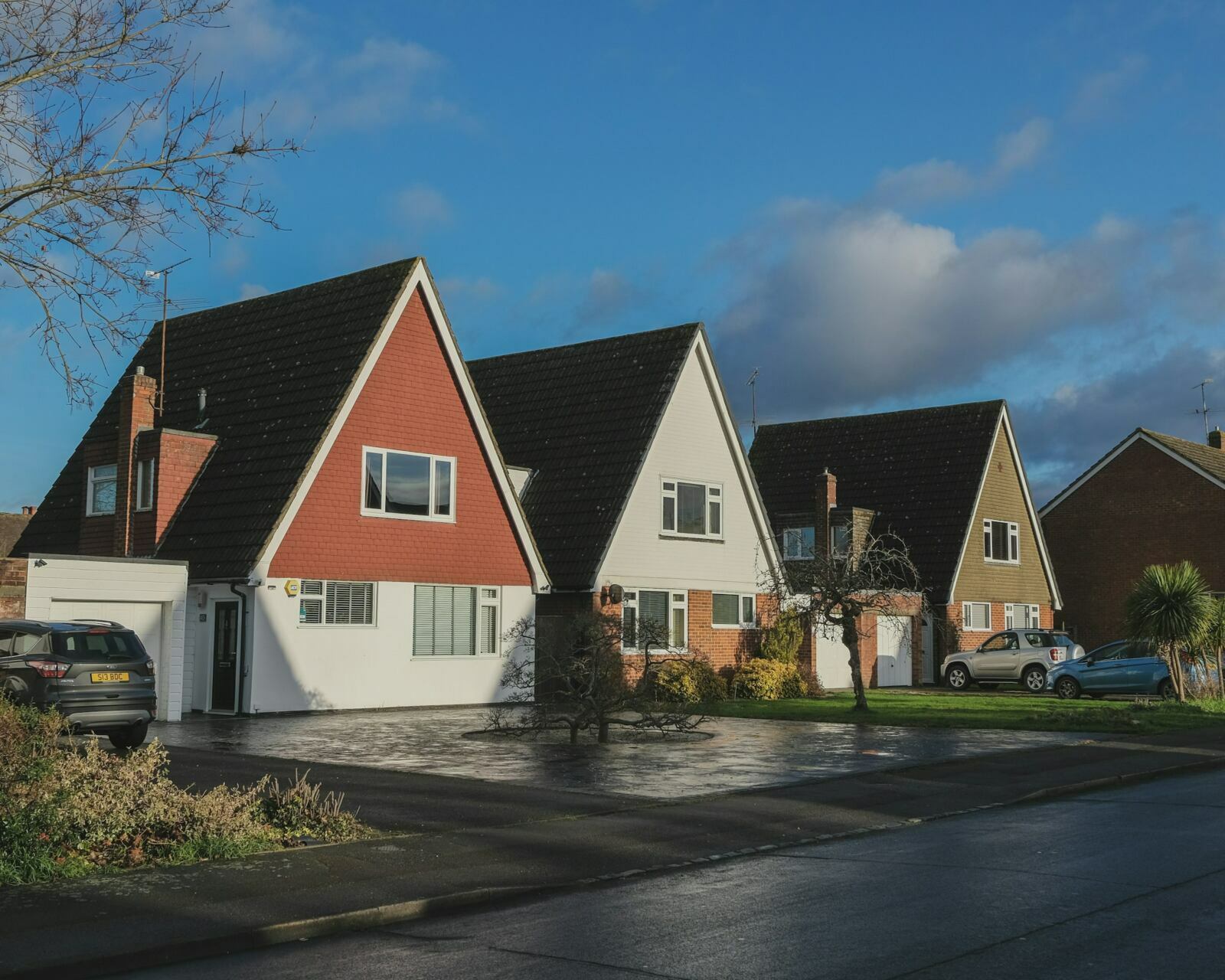
There is also a wrinkle worth knowing if a single-family home, not an apartment, is what you actually want. Zillow found that demand for single-family rentals is up 21.6 percent from a year ago, more than double the 10.1 percent increase in demand for multifamily rentals. At a typical rent of $2,266 for a single-family rental, renting a house costs about $771 less a month than the typical new buyer's payment, without a down payment or the maintenance costs that come with owning. If part of what is pulling you toward buying is wanting more space and a yard rather than wanting equity specifically, a rental house can get you some of that lifestyle while you keep saving.
None of this means renting is the better choice for everyone, or that this fall is a bad time to buy if you are financially ready and planning to stay put for years. Break-even math still favors buying for households who can comfortably afford the higher payment and plan to stay long enough for home equity to build. Zillow's own rent-versus-buy research breaks down that break-even timeline by metro area, and it is worth checking your specific market rather than relying on the national averages here, since the gap between renting and buying varies widely from one city to the next. A household in a market where rents are climbing fast and inventory is tight may find buying pencils out sooner than a household in a market where rents are flat and new supply keeps arriving.
What this data mainly offers is permission to slow down if you need to. If your monthly budget is genuinely tighter as a buyer than as a renter right now, that is not a personal failure, it is a reflection of where borrowing costs and rents happen to sit this fall. Renting for another year while you build savings, watch your local market and wait for your own finances to catch up is a reasonable plan, not a consolation prize. The households who come out ahead are usually the ones who are honest with themselves about which column, renting or buying, their numbers actually support right now, rather than the ones who stretch to buy because of a calendar deadline that was never really set in stone.