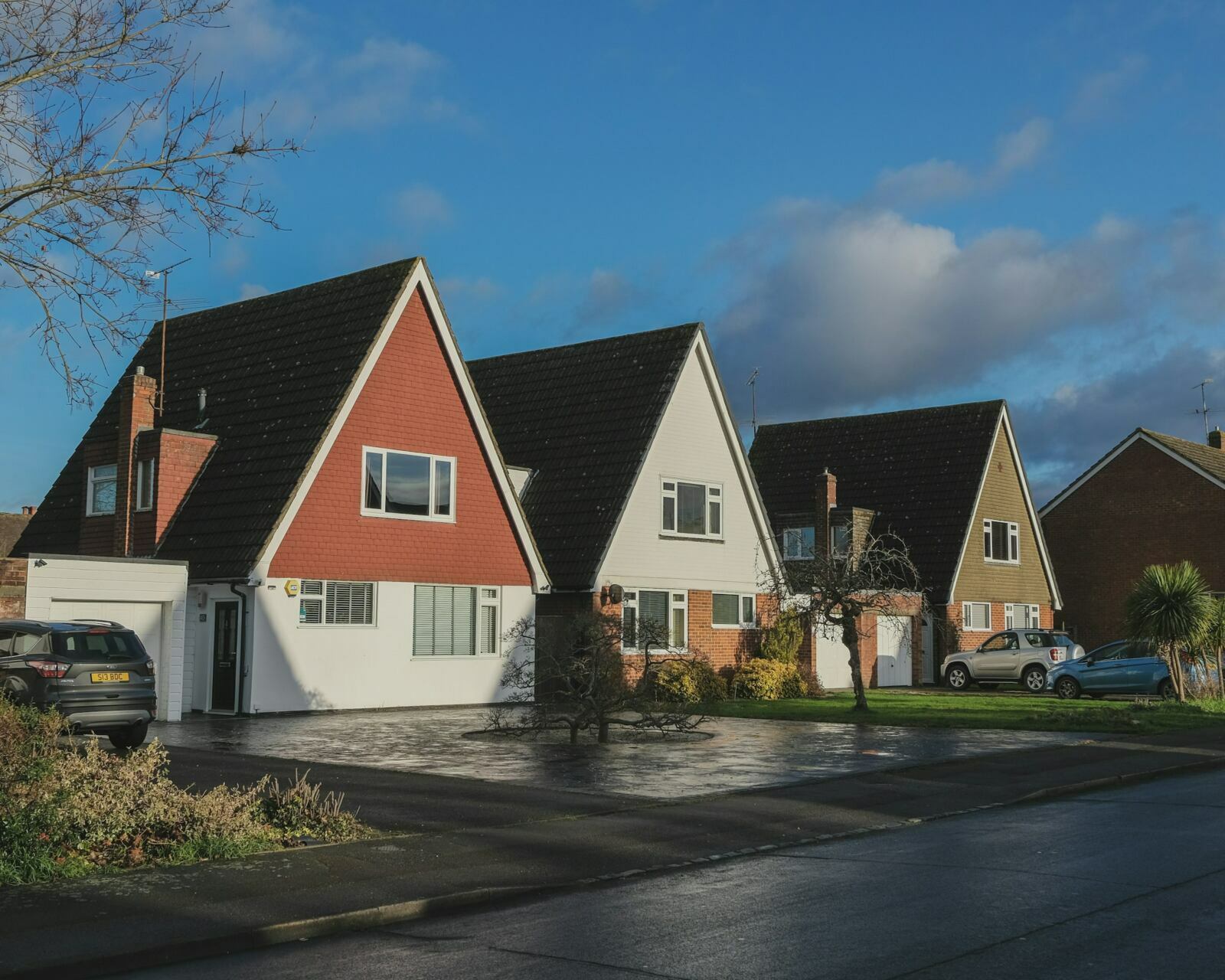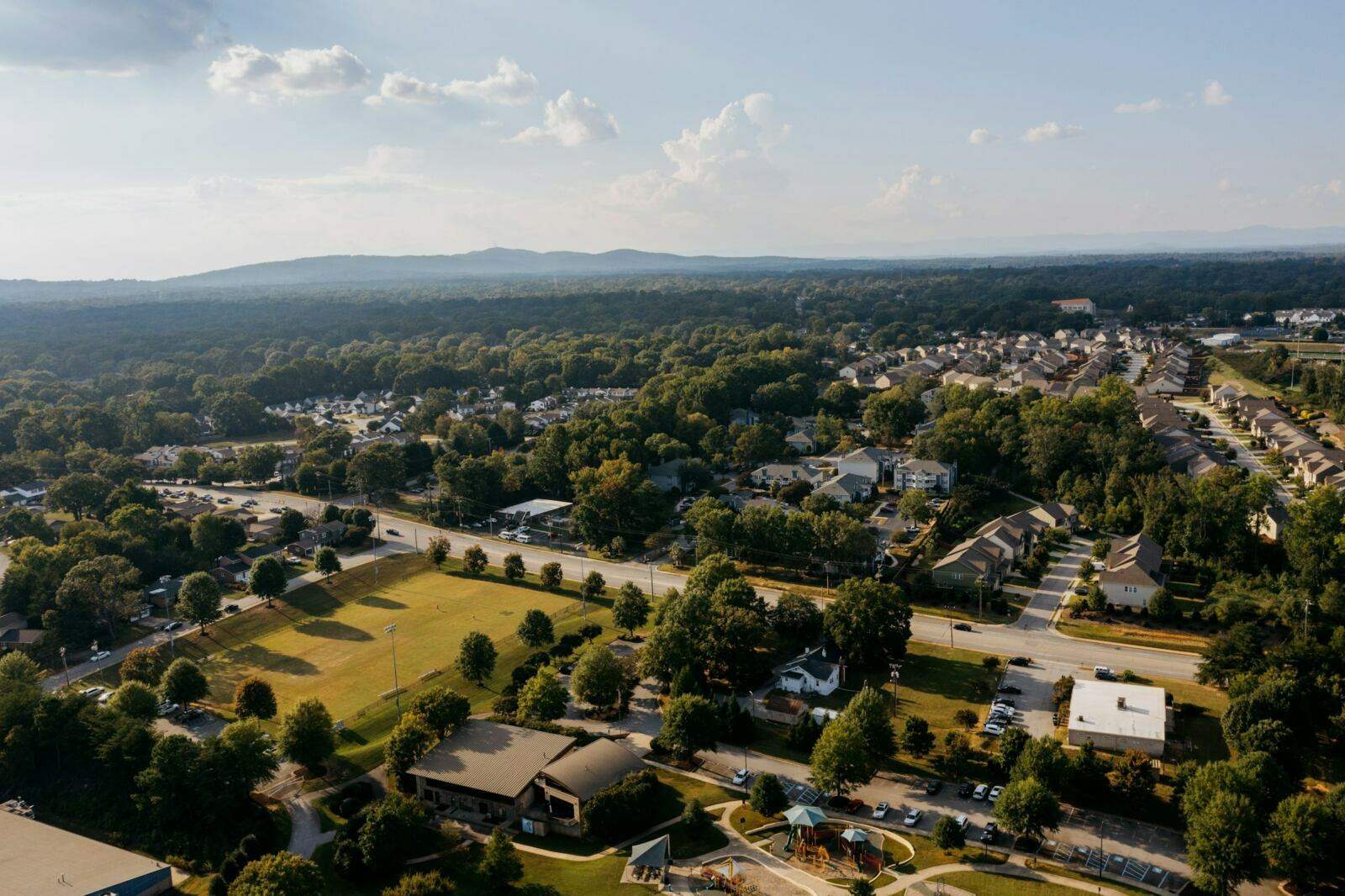

Look, nobody wants to think about selling their house when they're in the middle of buying it. You're imagining family dinners in that kitchen, holiday parties in the living room, maybe even watching your kids grow up in those bedrooms. The last thing on your mind is resale value.
But here's the thing—life happens. Job transfers, growing families, empty nests, divorces, new opportunities. According to the National Association of Realtors, the typical homeowner stays in their house for about 13 years. That's not exactly forever, right?
"I've seen it a thousand times," says Mike Oddo, CEO of HouseJet. "Buyers fall in love with a house and completely ignore the factors that'll matter when they eventually sell. They think 'this is my forever home,' but five or ten years later, circumstances change. The smart buyers are the ones who balance what they want now with what the next buyer will want later. That mindset might mean spending an extra $20,000 today, but it could easily add $50,000 or more to your sale price down the road."
So let's talk about what actually holds value when the market gets rough and you need to sell. Because not all amenities are created equal.
What You're Actually Paying for Top-Rated Schools
Everyone knows good schools drive up home prices. But do you know how much you're paying for that highly-rated district?
Research shows homes in top-performing school districts command anywhere from a 15% to 25% premium over similar homes in average districts. In real dollars, that might mean paying $450,000 for a house that would cost $350,000 just three miles away in a different district.
Here's what makes this interesting: that premium tends to hold steady even when the overall market drops. During the 2008 recession, homes in strong school districts lost value more slowly and recovered faster than homes in weaker districts. Parents will stretch their budgets—sometimes to uncomfortable levels—to get their kids into good schools.
But there's a catch. The school premium is most valuable when you're selling to families with school-age kids. If demographic trends in your area shift toward retirees, empty nesters, or young professionals without children, you might not recoup that full premium. You've got to look at where your specific neighborhood is heading, not just where it is today.
The New Power Player: Walkable Neighborhoods and Urban Convenience
Remember when everyone wanted big yards in the suburbs? Well, times are changing.
The concept of the "15-minute city"—where residents can reach most daily necessities within a 15-minute walk or bike ride—has gone from urban planning theory to a legitimate value driver. Younger buyers especially are willing to pay premium prices for neighborhoods where they can walk to coffee shops, restaurants, grocery stores, and parks.
The data backs this up. Walk Score, which rates neighborhoods on walkability, found that each point increase in a property's Walk Score correlates with a $500 to $3,000 increase in home value, depending on the market. In some cities, the difference between a Walk Score of 50 and 90 can mean an extra $100,000 in property value.
What's interesting is how this holds up during economic uncertainty. During COVID, when remote work exploded, some predicted walkable urban areas would lose value. Instead, neighborhoods with walkable access to outdoor spaces, local restaurants, and small shops often maintained or even increased in value. People wanted less commute time, not less neighborhood amenity.
The big question is whether your specific area will continue trending toward walkability or if suburban sprawl will make a comeback. That's where those city planning maps come in handy.
The Numbers Don't Lie: What Sells When Markets Get Tough
Here's where theory meets reality. When markets slow down and inventory starts piling up, certain homes keep selling while others sit.
Data from recent market corrections shows that homes in walkable neighborhoods with good schools sell roughly 30% faster than homes with just one of these features. And homes with neither? They can sit on the market 50% longer and sell for 10-15% below asking price.
Location near employment centers matters too. During downturns, buyers get more conservative. They want shorter commutes and neighborhoods that have proven staying power. A house that's a 45-minute commute to major job centers will struggle more than one that's 20 minutes away, even if the farther house is technically "nicer."
Mixed-use developments—places where residential properties sit near retail and office space—have shown surprising resilience. They create their own little economies that can weather broader market downturns better than purely residential subdivisions.
Reading the Tea Leaves: City Planning Maps and Future Development
Want to know a secret? Your city's comprehensive plan is basically a roadmap to future property values, and it's public information.
City planning departments publish long-term development plans showing where new infrastructure, parks, transit lines, and commercial zones are planned. These plans might show a new light rail station going in three miles from a neighborhood, or a major park development, or rezoning that'll bring in retail and restaurants.
Smart buyers study these maps before making offers. That quiet neighborhood with nothing walkable nearby? Check if the city has plans for mixed-use development in the next five years. That could transform your property's value trajectory.
Same goes for school boundary maps and future school construction. Districts periodically redraw boundaries and build new schools. A house that's currently in a mediocre district might get redistricted into a top-rated school in three years. That's information you can find and use.
HouseJet recommends buyers spend an afternoon at their city's planning department or browsing their online comprehensive plans. The hour or two you invest can reveal opportunities other buyers completely miss.
The Starbucks Indicator and Other Retail Tea Leaves
Here's something you might not know: real estate investors literally track where Starbucks opens new locations as a predictor of neighborhood appreciation.
Why? Because Starbucks employs sophisticated data analysts who study demographics, income trends, traffic patterns, and growth projections before opening stores. They're not perfect, but they're pretty good at identifying neighborhoods on the upswing.
The same logic applies to other national retailers. When Whole Foods, Trader Joe's, or Target move into an area, they're betting on population growth and rising incomes. Those are exactly the conditions that drive property values up.
Local indicators matter too. Look for neighborhoods where old retail spaces are being renovated rather than sitting vacant. New restaurants, especially locally-owned places, signal growing demand. Coffee shops, breweries, and boutiques are especially strong indicators because they cater to demographics that correlate with rising property values.
On the flip side, pay attention to vacancy rates in nearby retail centers. A struggling shopping center doesn't just look bad—it suggests weakening demand in the area.
Finding Your Personal Balance Between Living and Investing
Here's the truth: your home is both a place to live and an investment. You've got to balance both sides of that equation.
Maybe walkability doesn't matter much to you personally because you drive everywhere. But if comparable buyers in your market value it, you should factor that into your decision. You're not just buying for yourself—you're buying for the next buyer too.
Same with schools. Maybe you don't have kids and don't plan to. But families with kids represent a huge portion of homebuyers, and they'll pay premiums for good schools. Ignoring that factor because it doesn't apply to you personally means potentially leaving tens of thousands of dollars on the table when you sell.
That doesn't mean you should buy a house you hate just because it checks all the investment boxes. But it does mean you should be honest about the tradeoffs. If you're choosing between two homes you like equally well, and one has better schools and walkability, that's an easy call. If you're choosing between your dream home and a house with better resale factors, you need to calculate what that dream is actually costing you in future equity.
The bottom line? Think like a buyer even when you're buying. Because someday, probably sooner than you think, you'll be a seller again. And the factors that protect resale value are the ones that'll keep money in your pocket when that day comes.