
If you've been scrolling through real estate listings lately, you've probably noticed some homes priced well below market value with labels like "foreclosure" or "short sale" attached to them. At first glance, these properties can look like absolute goldmines—a chance to snag your dream home at a fraction of what you'd normally pay.
But here's the thing: buying a distressed property isn't quite the same as your typical home purchase. There's a lot more to consider, and honestly, a lot more that can go sideways if you don't know what you're getting into.
So let's break down everything you need to know about buying foreclosures and short sales—the good, the bad, and the stuff that'll keep you up at night if you're not prepared.
What's the Difference Between a Foreclosure and a Short Sale?
Before we get into the nitty-gritty, let's make sure we're clear on what these terms actually mean.
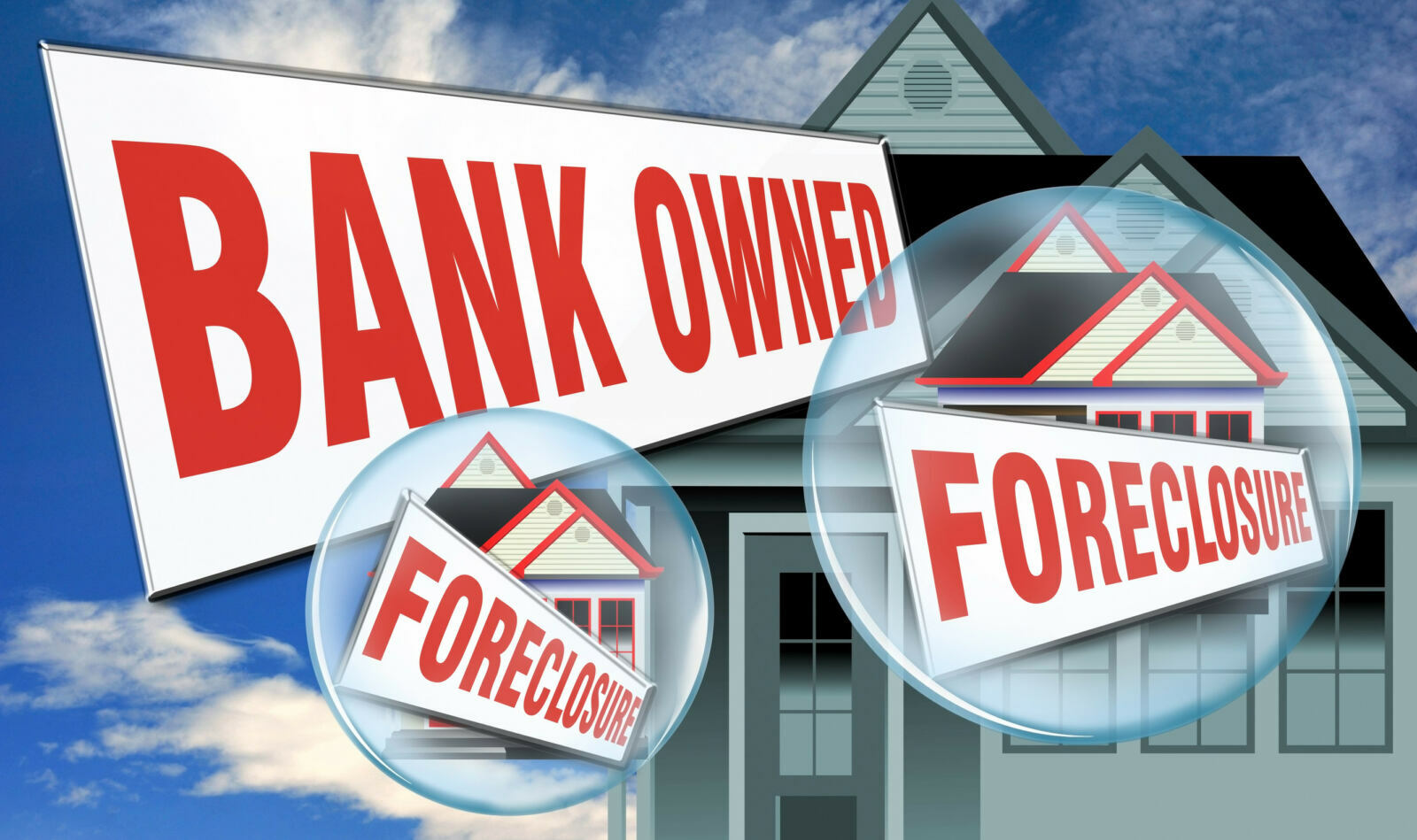
A foreclosure happens when a homeowner stops making mortgage payments, and the bank eventually takes ownership of the property. Once the bank owns it, they're motivated to sell it quickly—usually at a discount—just to get it off their books. You're buying directly from the lender in this scenario, not from the previous homeowner.
A short sale is a bit different. This is when a homeowner is in financial trouble and needs to sell, but they owe more on their mortgage than the home is currently worth. They need the bank's permission to sell the property for less than what's owed. In a short sale, you're technically buying from the homeowner, but the bank has to approve the entire transaction. That approval process? It can take forever.
Both types of properties can offer significant savings, but they each come with their own set of challenges that you need to be ready for.
The Upsides: Why Buyers Are Drawn to Distressed Properties
Let's start with the positives, because there are definitely some compelling reasons why people pursue these opportunities.
The price is usually right. This is the big one. Foreclosures and short sales are almost always priced below market value. Banks aren't interested in being landlords or property managers—they want to move these homes quickly. If you're working with a tight budget or looking to maximize your purchasing power, that discount can be the difference between getting into a home or staying stuck on the sidelines.
You might find hidden gems in great neighborhoods. Sometimes distressed properties pop up in areas where you normally wouldn't be able to afford to buy. That means you could potentially land in your ideal school district or neighborhood without having to stretch your budget beyond what's comfortable.
There's potential for serious equity. If you buy a foreclosure at a significant discount and you're willing to put in some sweat equity with repairs and updates, you could build substantial equity right out of the gate. Some buyers specifically target these properties as investment opportunities or fixer-uppers.
Less competition in some markets. Not every buyer wants to deal with the complexities of a distressed sale. That means you might face less competition compared to that pristine turnkey home that has fifteen offers within three days of listing.
The Downsides: What Makes These Deals Complicated
Now here's where things get real. Distressed properties aren't for the faint of heart, and there are several legitimate challenges you need to consider before jumping in.
The condition is often questionable—or downright rough. When homeowners are struggling financially to the point of losing their home, maintenance usually falls by the wayside. You might be looking at deferred maintenance issues, needed repairs, or even intentional damage from frustrated previous owners. Foreclosures are typically sold "as-is," which means what you see is what you get—and what you don't see might be lurking behind the walls.
Banks aren't going to fix that leaky roof or replace the ancient HVAC system before selling. You'll need a thorough inspection, and you should budget for repairs that could run into the tens of thousands of dollars.
The timeline can be excruciating. This is especially true with short sales. Since the bank has to approve the sale price and terms, you could be waiting months—and I mean many months—for an answer. Even after your offer is accepted by the seller, you're at the mercy of the lender's approval process. Some buyers wait six months or longer, only to have the deal fall through at the last minute.
Foreclosures can move faster, but even those transactions often take longer than traditional sales because of the additional paperwork and bank processes involved.
Financing can get tricky. If the property is in rough shape, you might have trouble getting traditional financing. Many lenders won't approve a mortgage on a home that doesn't meet certain condition standards. You might need to explore renovation loans like an FHA 203(k) or a Fannie Mae HomeStyle loan, which bundle the purchase price and repair costs into one mortgage. These loan products are more complex and not every lender offers them.
You're buying with limited information. Sellers of traditional homes usually provide disclosures about the property's condition and history. With foreclosures, the bank doesn't have that information—they've never lived there. You're going in somewhat blind, which is why a comprehensive inspection is absolutely critical.
There could be title issues. Distressed properties sometimes come with liens, unpaid property taxes, or other title complications that need to be resolved before you can take ownership. Your title company will uncover these issues, but they can delay closing or even kill the deal entirely.
Mike Oddo's Take on Distressed Property Purchases
"Buying a foreclosure or short sale can absolutely have its advantages, especially in a market where affordability is such a concern for so many buyers," says Mike Oddo, CEO of HouseJet. "But these transactions come with several pitfalls that can turn your dream deal into a nightmare if you're not careful. You really must know what you're doing when you buy one of these homes—or you need to work with someone who does. This isn't the time to wing it or go in unprepared."
That last part is important, and it's something a lot of buyers don't think about until they're already in over their heads.
Why Your Agent's Experience Matters More Than Ever
Here's something that doesn't get talked about enough: not every real estate agent is equipped to handle distressed property transactions. A standard residential sale and a foreclosure or short sale are completely different animals.
At HouseJet, we've seen too many buyers struggle because they worked with an agent who didn't have specific experience in this arena. Distressed sales require specialized knowledge—understanding bank processes, navigating complex paperwork, knowing how to negotiate with loss mitigation departments, and managing expectations around timelines.
An experienced agent who's handled multiple foreclosures and short sales will know how to:
Accurately evaluate the property's condition and help you understand true costs
Navigate the bank approval process and keep your deal moving forward
Identify potential red flags before you're too far into the transaction
Connect you with the right lenders, inspectors, contractors, and title companies
Negotiate terms that protect your interests while satisfying the bank's requirements
Prepare you mentally and financially for a process that's longer and more uncertain than a traditional purchase
This isn't about knocking agents who focus on traditional sales—they're great at what they do. But distressed properties are a specialty, and you want someone who's been through this rodeo before.
How to Set Yourself Up for Success
If you're seriously considering a foreclosure or short sale, here are some strategies that'll help you navigate the process more smoothly.
Get your financing lined up early. Talk to a lender who has experience with distressed properties and renovation loans if needed. Get pre-approved and understand exactly what you can afford—including a buffer for repairs and unexpected costs.
Budget for the unexpected. Whatever you think repairs will cost, add at least 20-30% more. There are almost always surprises when you start opening walls or digging into systems that haven't been maintained.
Be patient. This is huge. If you need to move by a certain date or you're on a tight timeline, a distressed property might not be the right fit. You need flexibility and patience to ride out the approval process.
Invest in a thorough inspection. Don't skimp here. Hire an inspector who'll look at everything—foundation, roof, electrical, plumbing, HVAC, the works. You need to know what you're buying before you commit.
Consider your risk tolerance. Some people thrive on the challenge of a fixer-upper and don't mind the uncertainty. Others need more predictability and peace of mind. Be honest with yourself about which camp you're in.
Work with the right team. Beyond an experienced agent, you'll want a responsive lender, a good attorney if your state requires one, a thorough inspector, and reliable contractors if you're planning renovations. Your agent should be able to connect you with these professionals.
The Bottom Line
Buying a foreclosure or short sale can be an incredible opportunity to get into a home at a price that works for your budget. The potential savings are real, and for some buyers, these properties represent their best shot at homeownership or building wealth through real estate.
But make no mistake—these transactions are more complicated, more uncertain, and more demanding than traditional home purchases. You need to go in with your eyes wide open, realistic expectations, and the right team supporting you.
If you're willing to do your homework, exercise patience, and work with professionals who know this space inside and out, a distressed property might just be the perfect fit. But if you're looking for something simple and straightforward, you might want to stick with a traditional sale.
Either way, the most important thing is making an informed decision that's right for your situation. And that starts with understanding exactly what you're getting into before you make your first offer.