
"The time(s) they are a changin'." – Bob Dylan
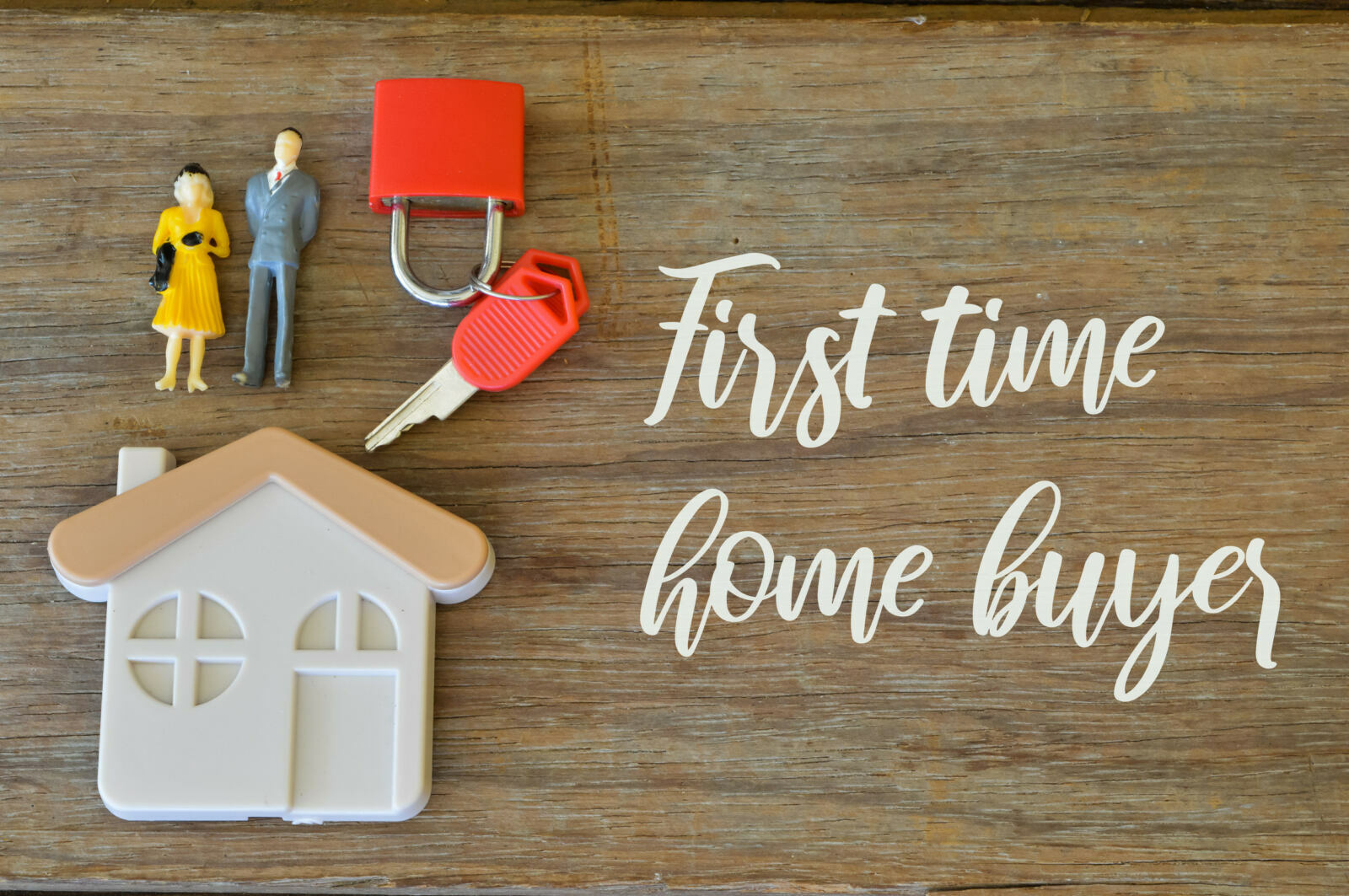
Life moves forward, and sometimes the changes are small, while other times they're huge. The basic steps of buying your first home haven't really changed – you find an agent, get pre-approved for a mortgage, look at houses, make an offer, get an inspection, have the place appraised, and head to closing. But the details? Things are vastly different from what they were even ten years ago.
If you're about to buy your first home, here's what you should know before you start looking.
Interest Rates Aren't Going Back to "Cheap"
Your parents might tell you about getting a 3% mortgage rate when they bought their first place. Yeah, those days are long gone. Right now in 2026, first-time buyers are dealing with rates somewhere between 6-7%, and sometimes even higher depending on your credit and how much you're putting down.
"First-time buyers need to wrap their heads around the fact that today's rates are actually pretty normal historically," says Mike Oddo, CEO of HouseJet. "Sitting around waiting for 3% rates to come back might mean you're waiting forever, and meanwhile, you're losing out on years of building equity."
There is one upside, though: these higher rates have calmed down the crazy bidding wars that were happening from 2020 to 2022. You're way less likely to be competing against 15 other buyers, which means you have more room to negotiate and more time to think things through.
You Don't Need 20% Down (Really)
Let's clear something up right away: the idea that you need 20% down to buy a house is outdated. Most first-time buyers these days are putting down somewhere between 6-8%. According to Mike Oddo, CEO of HouserJet:
You've got options:
FHA loans let you put down as little as 3.5% and they're more flexible if your credit score isn't perfect. Regular conventional loans can go as low as 3% down if you qualify. VA loans (if you're military or a veteran) and USDA loans (for homes in rural areas) sometimes need zero down. A lot of states and cities have programs that'll help with your down payment through grants or low-interest loans.
The tradeoff? If you put down less than 20%, you'll pay something called PMI (private mortgage insurance) every month. But here's the thing – you can get rid of PMI once you've built up enough equity, and buying now usually makes more sense than spending years trying to save up a bigger down payment while your rent keeps going up.
You'll Sign an Agreement with Your Agent Now
Because of some recent changes to how real estate works (the NAR settlement), you'll sign a buyer representation agreement with your agent before you even start touring homes.
This might seem like a big formal step, but it's actually good for you. The agreement spells out exactly what your agent is going to do for you, how they get paid, and what you're agreeing to. It makes sure your agent is really working for you, not just trying to get you to buy anything.
"These new agreements have made the relationship between buyers and agents better," Oddo points out. "Everything's out in the open from the start. You know what you're getting and what you're paying for, and that builds trust right away."
Ask questions about the agreement before you sign it. A good agent will explain everything and tell you exactly how their compensation works – whether the seller pays them, you pay them, or some mix of both.
There Aren't Enough Homes (But Some Areas Are Better)
Finding a home to actually buy is one of the biggest headaches for first-time buyers right now. A lot of homeowners locked in super low rates during the pandemic and don't want to sell because they'd have to get a new mortgage at a higher rate. People call this the "lock-in effect."
What this means is fewer homes are going up for sale, and the competition for affordable starter homes is tough. Investors and people moving up to bigger houses often have more cash and can move faster than first-time buyers.
That said, it's not equally bad everywhere. Some areas have more homes available because builders are putting up new starter homes, and because life happens – people get new jobs, have kids, retire – and they have to move even if they don't want to give up their low rate.
Your move? Find a local agent who really knows the neighborhoods and price ranges you're interested in. Be ready to act fast when you find the right place, but don't let the pressure push you into buying something that doesn't work for you.
Everything's Online Now
If you're buying for the first time in 2026, you're probably going to start your search on your phone or laptop. You'll scroll through Zillow, Realtor.com, or your agent's website way before you actually walk into a house.
Virtual tours, 3D videos, drone shots – they're all standard now. Some people even make offers on houses they've only seen online, though that's generally not a great idea for your first purchase.
The flip side of all this technology is that it can get overwhelming. You'll see houses marked "coming soon," properties that aren't officially on the market yet, and prices that change in real time. It can feel chaotic. That's where a good agent becomes worth their weight in gold – they help you cut through all the noise and focus on homes that actually make sense for you.
Don't Skip the Inspection or Appraisal
Even if the market's competitive, get a home inspection. This is how you find out what you're really buying and whether you need to negotiate for repairs or a lower price.
Some buyers skip inspections to make their offers look better, but as a first-timer, that's risky. You probably don't know how to spot a bad foundation, a roof that's about to fail, or electrical work that should have been updated decades ago. Spending a few hundred bucks on an inspection can save you from tens of thousands in surprise repairs later.
The appraisal matters too, especially if you're putting down less than 20%. If the house appraises for less than what you offered, you'll need to come up with extra cash to cover the gap, renegotiate with the seller, or back out. With some homes still selling above asking price, these appraisal gaps happen more than you'd think.
"I tell first-time buyers to have a plan B if the appraisal comes in low," Oddo says. "Know the absolute most you can spend, including any extra cash you could throw in if you had to. And don't be scared to negotiate with the seller to split the difference."
Closing Costs Add Up Fast
On top of your down payment, you need cash for closing costs. Plan on somewhere between 2-5% of what you're paying for the house. This covers things like:
Fees for setting up your loan
Title insurance
Attorney fees
Property taxes (your share)
First year of homeowners insurance
HOA fees if the place has them
Recording fees
A bunch of other smaller charges
If you're buying a $300,000 house, closing costs could run you anywhere from $6,000 to $15,000. You can sometimes negotiate with the seller to help pay some of these, but you need to have the money ready just in case.
And here's something a lot of first-time buyers forget: you'll need money right after closing too. Even if the house is ready to move into, you'll probably need furniture, basic tools, a lawnmower, blinds or curtains, and a long list of other stuff you never had to buy as a renter. Set aside a few thousand for all of that.
You're Not Just Buying a Place to Live
From HouseJets' perspective, this is the mindset that helps a lot of first-time buyers get past the sticker shock: you're not just paying for somewhere to sleep. You're building equity, locking in a monthly payment that won't change (unlike rent, which goes up every year), getting some tax breaks, and starting to build real wealth.
Every mortgage payment you make builds equity. If your home goes up in value even a little bit, you're getting wealthier without doing anything. Years from now, the home you buy in 2026 will probably be worth a lot more, but your mortgage payment will be about the same (if you got a fixed rate) while everything else costs more.
"The biggest mistake first-time buyers make is waiting for everything to be perfect," Oddo says. "They want the perfect market, the perfect rate, the perfect house. But buying a home is about the long game. If you can swing it and you're planning to stay for at least five years or so, buying beats renting most of the time, no matter what the market's doing right now."
Bottom Line: It's Different, But You Can Still Do It
Yeah, buying your first home in 2026 is different than it was for your parents or even for people who bought just a few years ago. Prices are higher. Rates are higher. There's more paperwork and formal agreements. Fewer homes are available.
But you can still do it, and owning a home is still one of the best ways regular people build wealth in America. You just need to go in with realistic expectations, understand what the market's actually like, and have the right people helping you.
Find an agent who works with a lot of first-time buyers. Get pre-approved so you know what you can actually afford. Understand all the costs, not just the down payment. Be patient but ready to move when you find the right place. And remember – your first home doesn't have to be your forever home. It just needs to be a smart choice that gets you started building equity.
Things are changing, that's for sure. But the dream of owning a home? That's still very much alive in 2026. With some preparation and the right guidance, you can make it happen and join millions of other Americans who've built wealth and stability through real estate.