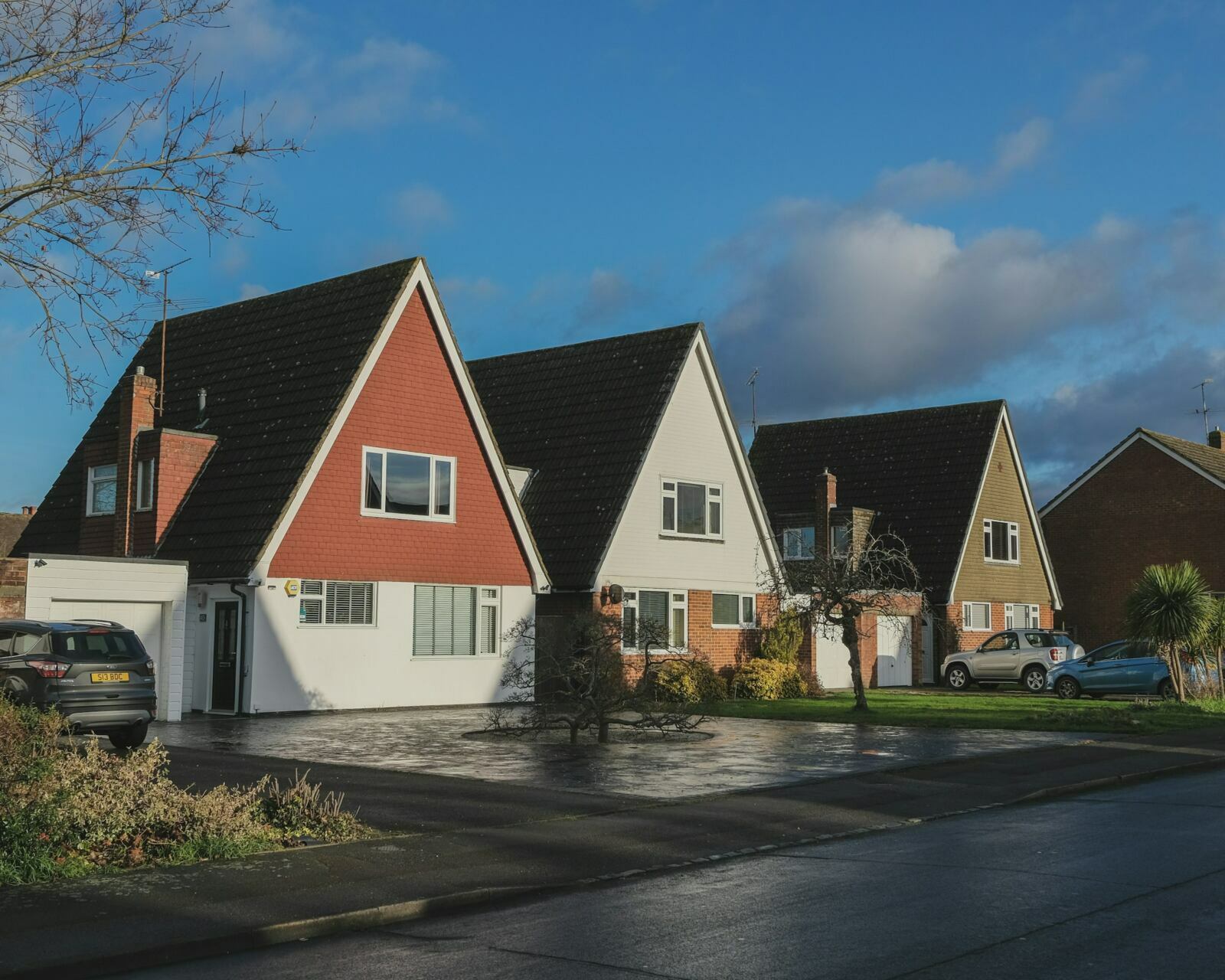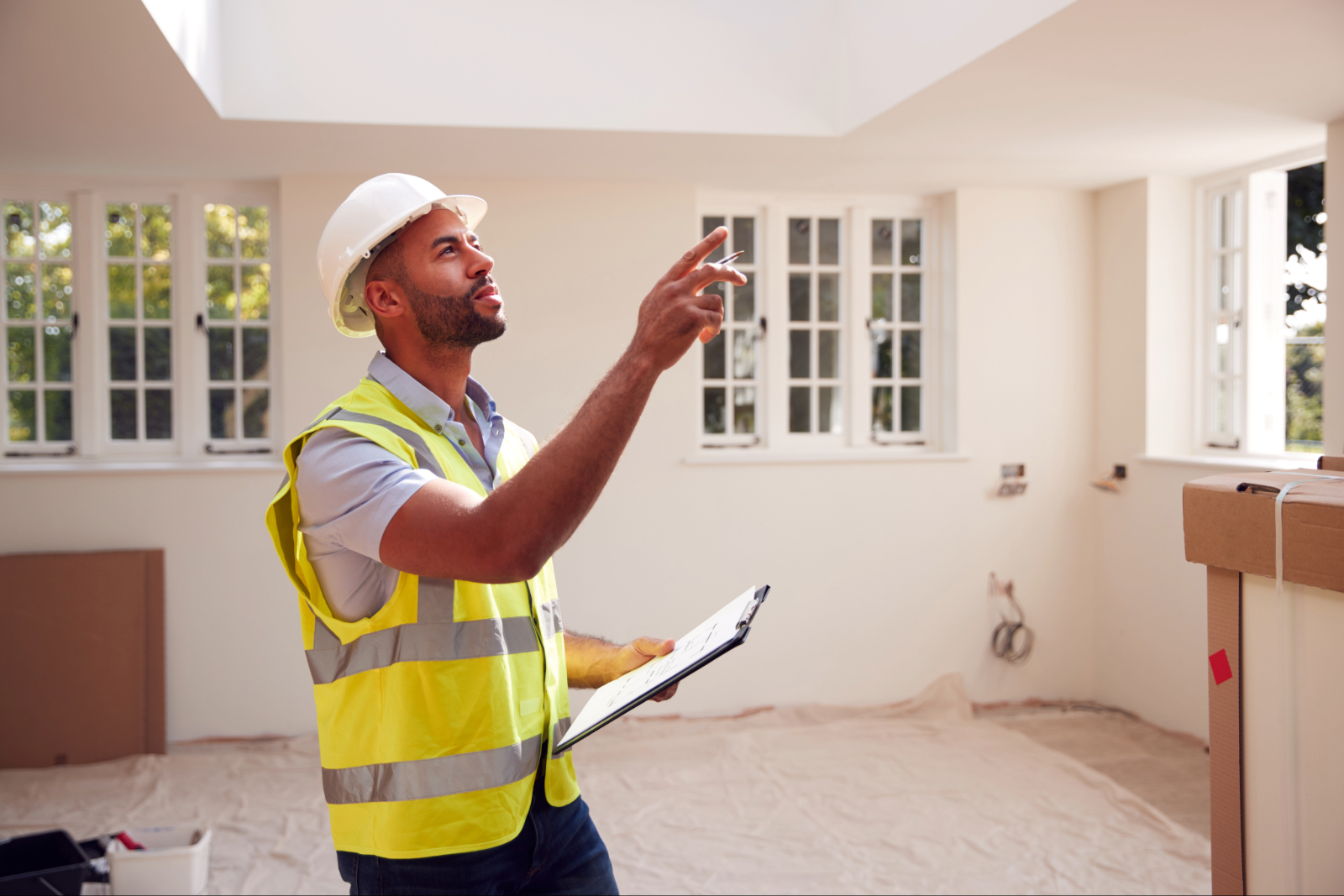

You've found the perfect house. The kitchen is gorgeous, the backyard is exactly what you wanted, and you're ready to sign on the dotted line. But before you do, there's one step you absolutely cannot skip: the home inspection.
Think of a home inspection as your insurance policy against buying someone else's expensive problems. Sure, the house looks great during a showing when the sun is streaming through the windows and everything is staged to perfection. But what's hiding behind those walls? What's lurking in the crawl space? A thorough inspection reveals the truth about what you're actually buying.
The Real Purpose of a Home Inspection
Here's where many buyers get it wrong. A home inspection isn't a negotiating tool to squeeze more money out of the seller. It's not about nickel-and-diming them over every minor issue or using inspection results as leverage for a price reduction.
The purpose is much more straightforward: you need to know if the home is structurally sound and safe to live in. You're making what's likely the biggest purchase of your life. You deserve to know exactly what you're getting.
"Overpriced homes hurt the overall value of homes in a neighborhood," says Mike Oddo, CEO of HouseJet. "When buyers overpay for properties with hidden issues, it creates artificial inflation that affects everyone. A proper inspection helps ensure you're paying fair market value for a home in its true condition."
Don't Stop at the Standard Inspection
Most buyers know they need a general home inspection, but that's just the beginning. Depending on the property, you may need several specialized inspections to get the full picture.
Radon testing is essential, regardless of where you're buying. This radioactive gas seeps up from the ground and is the second leading cause of lung cancer in the United States. You can't see it, smell it, or taste it. The only way to know if you have a radon problem is to test for it. If levels are high, mitigation systems can fix the issue, but you need to know about it before you buy.
Sewer inspections can save you from a nightmare scenario. Tree roots, collapsed pipes, or decades of buildup can turn your dream home into a sewage disaster. A camera inspection of the sewer line is relatively inexpensive compared to the $10,000 or more you might spend replacing a failed system.
If the home has a septic system, get it inspected by a professional. When was it last pumped? How old is it? Is it the right size for the house? A failing septic system can cost $15,000 to $30,000 to replace, and that's not something you want to discover three months after moving in.
For homes with a private well, water testing isn't optional. You need to know if the water is safe to drink and if the well produces enough water for your household needs. Testing should cover bacteria, nitrates, and other contaminants specific to your area.
How to Handle Inspection Issues
So the inspection comes back with problems. Now what? HouseJet recommends these three approaches:
First, prioritize safety and structural issues. A cracked window screen isn't in the same category as a failing foundation or faulty electrical wiring. Focus on problems that affect the home's safety, structure, or major systems. These are legitimate concerns that need to be addressed.
Second, request repairs rather than price reductions. Instead of asking for money off the purchase price, ask the seller to fix critical issues before closing. This ensures the work gets done properly and you're not scrambling to find contractors the week you move in. You'll have documentation that the repairs were completed.
Third, work with your real estate agent to determine what's reasonable. This is where having an experienced agent becomes invaluable. They know the local market, understand what sellers typically address, and can help you separate deal-breakers from minor inconveniences. They'll guide you through the negotiation process and help you make informed decisions.
Your agent has likely seen hundreds of inspection reports and knows which issues are common and which are serious red flags. They can help you understand whether the problems are typical for a home of that age or if you're looking at something more concerning.
The Bottom Line
Skipping the home inspection to save a few hundred dollars or speed up the process is one of the biggest mistakes a buyer can make. You're not just buying a house—you're buying everything that comes with it, including problems you can't see during a walkthrough.
A comprehensive inspection gives you peace of mind and protects your investment. It's not about finding excuses to renegotiate. It's about making sure you know exactly what you're buying so there are no expensive surprises down the road.
Take the time to get it done right. Your future self -- and house -- will thank you.