
There's something romantic about the idea of buying a piece of land and building your dream home from scratch. You get to choose every detail, from the foundation to the finish carpentry. You're not compromising on someone else's vision—you're creating your own.
But here's the thing: building your own home is one of the most complex, expensive, and stressful projects most people will ever undertake. And unless you really know what you're doing, it can quickly turn from a dream into a financial and logistical nightmare.
Let's talk about why buying land and building your own home is usually a lot harder than it looks—and why working with an established builder might be the smarter move.
The Land Itself Is Just the Beginning
When you buy a plot of land, you're not just buying dirt. You're buying a whole set of unknowns that can derail your project before you even break ground.
First, not all land is buildable. Just because it's for sale doesn't mean you can put a house on it. Zoning laws might restrict what you can build, how big it can be, or even whether residential construction is allowed at all. Some parcels are zoned for agricultural use only. Others have setback requirements that eat up more of your lot than you'd expect.
Then there's the question of utilities. Does the land have access to water, sewer, electricity, and gas? If not, you're looking at tens of thousands of dollars just to get those services to your property. In rural areas, you might need to drill a well and install a septic system—both expensive propositions that come with no guarantees. You could drill 300 feet and still not hit water.
Soil quality matters too. If your land has poor drainage, unstable soil, or a high water table, you'll need specialized foundation work that can add massive costs to your build. A geotechnical survey can reveal these issues, but that's another expense before you've even started.
And don't forget about access. If your dream lot doesn't have road frontage or an easement, you might not legally be able to reach it. Creating a new access road isn't just expensive—it requires permits, engineering, and possibly negotiations with neighbors.
The Permit Process Will Test Your Patience
Getting the permits to build a home is a Byzantine process that varies wildly depending on where you live. You'll need building permits, electrical permits, plumbing permits, and possibly septic permits. You might need approval from the planning board, the zoning board, the conservation commission, and the health department.
Each of these agencies has its own requirements, timelines, and fees. Miss one form or fail one inspection, and your entire project grinds to a halt. Delays of months aren't uncommon, and every month of delay is a month you're paying interest on your construction loan without making progress.
Environmental regulations can be particularly tricky. If there are wetlands on or near your property, you'll face additional restrictions and setbacks. Protected species, historical considerations, or watershed areas can all complicate or even prevent construction.
Many first-time builders underestimate how much time they'll spend dealing with bureaucracy instead of actually building.
Construction Costs Are Unpredictable and Rising
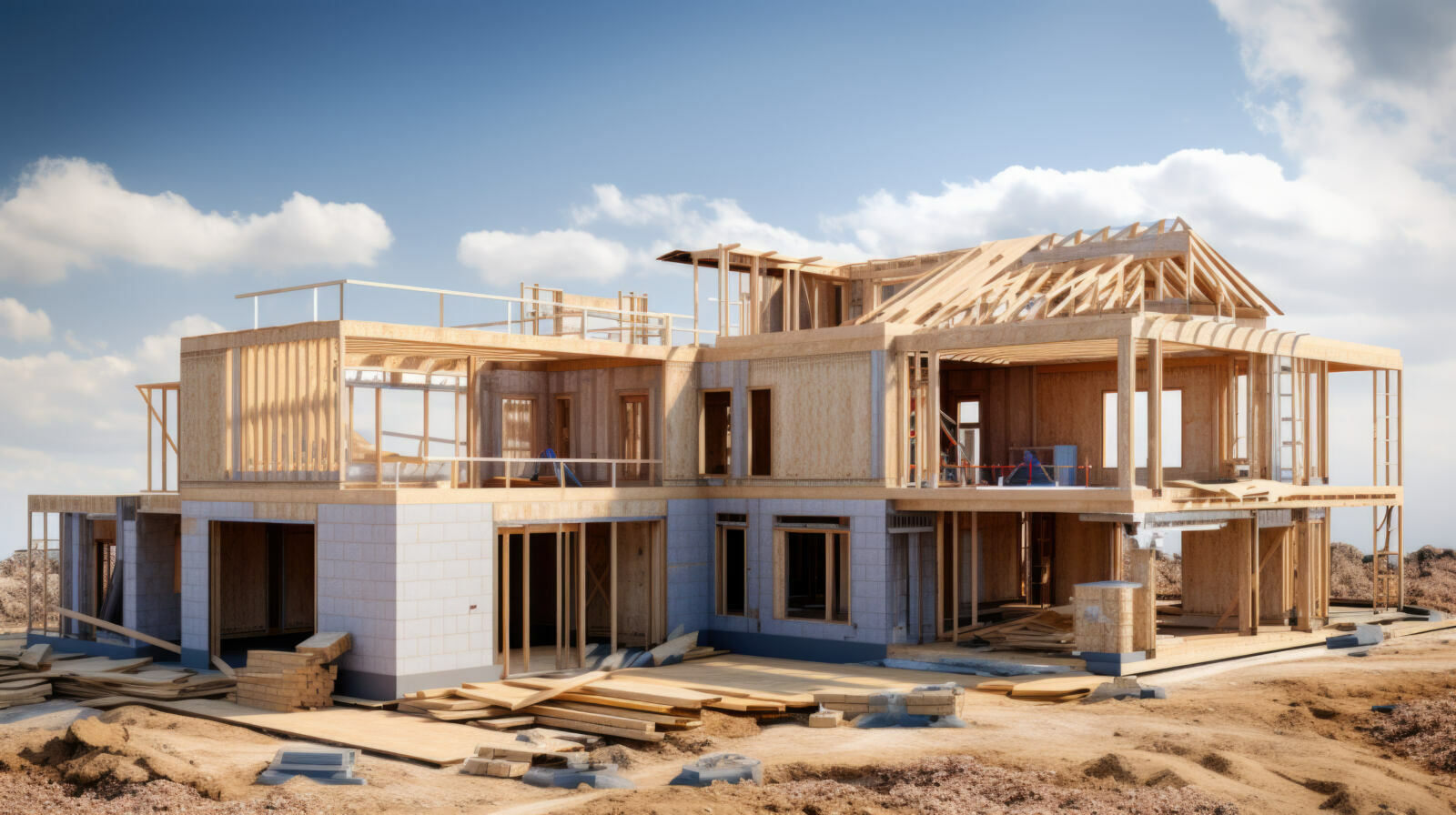
When you build your own home, you're essentially becoming a general contractor—even if you hire one. That means you're responsible for coordinating dozens of subcontractors, ordering materials at the right time, and keeping the project on schedule and on budget.
Material costs fluctuate constantly. Lumber prices can swing wildly based on market conditions. Supply chain disruptions can delay critical components for months. What you budgeted for in January might cost 20% more by the time you actually order it in June.
Labor costs are equally unpredictable. Good subcontractors are in high demand, and their availability doesn't always align with your timeline. You might find yourself waiting weeks for an electrician or plumber, paying premium rates for rush work, or settling for less experienced workers who make costly mistakes.
Then there are the hidden costs that almost every self-builder encounters. Site preparation often costs more than expected. Excavation can reveal rock that needs to be blasted or removed. Grading and drainage work adds up quickly. And once you're in the thick of construction, you'll inevitably make changes or upgrades that weren't in the original plan.
Most self-builders end up spending 20-30% more than their initial budget. Some blow past that by even wider margins. And if you don't have a bottomless source of cash, you could very well become house rich and cash poor. A situation nobody wants to enter into.
You're Wearing Too Many Hats
Building your own home means you're the project manager, quality control inspector, budget analyst, and problem solver all rolled into one. Unless you have experience in construction, you're learning on the job with hundreds of thousands of dollars on the line.
You'll need to understand construction sequencing—what work needs to happen in what order. You'll need to inspect work to make sure it meets code and quality standards. You'll need to identify problems before they become expensive fixes. And you'll need to make countless decisions, often on tight timelines, about issues you've never encountered before.
Do you know what kind of HVAC system is right for your home's size and layout? Can you tell if the framing is done correctly? Do you understand the difference between various roofing materials and their long-term performance? These aren't trivial questions, and wrong answers can haunt you for years.
Even if you hire a general contractor, you're still deeply involved in decision-making and oversight. And you're trusting that contractor to manage everything correctly—a leap of faith that doesn't always pan out.
Financing Is More Complicated
Getting a mortgage for an existing home is straightforward. Getting financing to build a home is not.
Construction loans work differently than traditional mortgages. They're typically short-term loans with variable interest rates. The lender releases funds in stages as construction progresses, which means you need to coordinate inspections and draw requests throughout the build.
You'll need a larger down payment—often 20-25% of the total project cost. And lenders will scrutinize your plans, budget, and builder more carefully than they would for a conventional purchase. If anything about your project seems risky or incomplete, you might not get approved at all.
Once construction is complete, you'll need to convert your construction loan to a permanent mortgage—another round of paperwork, fees, and qualification. Or you'll need to arrange separate financing upfront, which means paying interest on both loans during construction.
The financial complexity alone is enough to trip up many would-be builders.
Time Is Money (And Stress)
Building a home takes time—usually much more time than you think. A typical build runs anywhere from 8 to 12 months, but delays are common. Weather, permit issues, material shortages, and subcontractor scheduling can all push your timeline back.
During this entire period, you're still paying for somewhere to live. You're also paying interest on your construction loan and possibly rent or a mortgage on your current home. The financial pressure builds with every week of delay.
And the stress is real. You're making high-stakes decisions constantly, managing conflicts between contractors, worrying about cost overruns, and watching your savings account drain faster than you planned. Many people find the process overwhelming, and it can strain relationships and affect your health.
The Smart Alternative: New Construction Communities
Here's what Mike Oddo, CEO of HouseJet, has to say about the benefits of buying new construction instead of building it yourself:
"Buying a newly constructed home through a local builder or in a new construction community gives you most of the benefits of a new home without any of the headaches of custom building. You get modern floor plans, energy-efficient systems, and builder warranties—all while avoiding the risks of land development, permit delays, and cost overruns. Professional builders have established relationships with subcontractors, bulk purchasing power for materials, and experience managing complex projects. They handle the details so you don't have to, and you end up with a quality home at a predictable price."
He's right. When you buy in a new construction community, the developer has already handled the hard parts. The land is permitted and ready to build on. Utilities are in place. Road access is established. The builder has refined their processes over dozens or hundreds of homes, so they know how to avoid common pitfalls.
You still get choices—floor plans, finishes, upgrades—but within a framework that keeps the project manageable and on budget. You benefit from the builder's warranty, which protects you against defects and issues. And you have a clear timeline and fixed price, so you can plan your life accordingly.
Year-End Opportunities
Right now is actually an ideal time to explore new construction. As the year winds down and the new year starts, builders are motivated to close out their inventory and hit annual sales targets. That means you'll often find tremendous savings, special incentives, and valuable bonuses that aren't available during other times of the year.
Builders might offer to cover closing costs, include upgrades at no charge, or provide rate buy-downs that significantly reduce your mortgage payment. These aren't gimmicks—they're real savings that can add up to tens of thousands of dollars.
HouseJet recommends exploring new construction opportunities before the end of the year to take advantage of these builder incentives and finish the year in your dream home without the stress and uncertainty of building from scratch.
The Bottom Line
Building your own home sounds appealing until you dig into what it actually involves. The legal complexities, financial risks, and sheer time commitment are more than most people bargain for. Unless you have construction experience, a large financial cushion, and an enormous amount of patience, you're probably better off letting professionals handle the building process.
New construction communities offer a middle path—you get a new home customized to your preferences without taking on the role of developer, general contractor, and project manager. You avoid the land acquisition headaches, permit nightmares, and budget uncertainties that plague self-builders.
Sometimes the smartest move is recognizing what you don't know and letting experts handle it. Your dream home doesn't have to be a DIY project to be perfect for you.