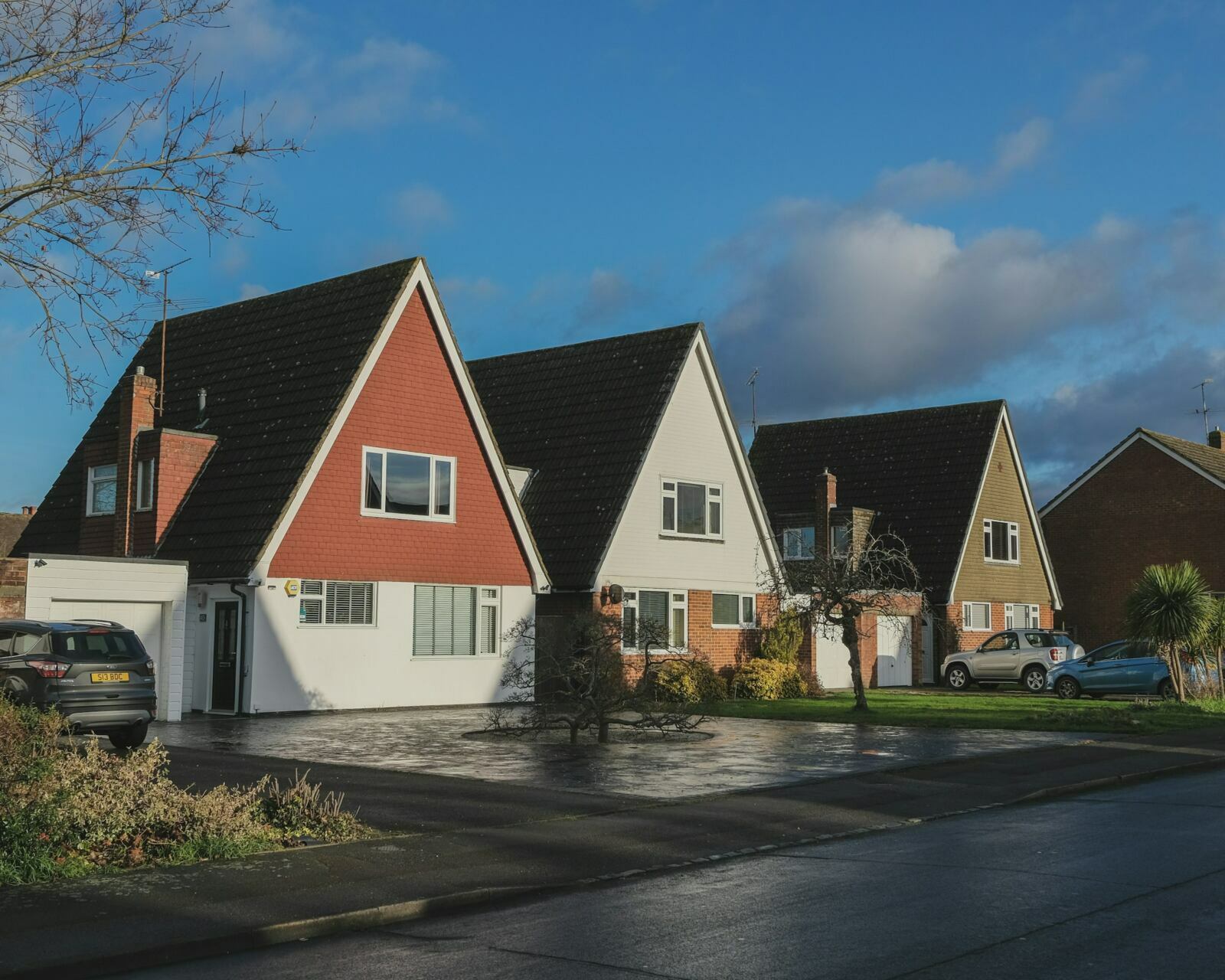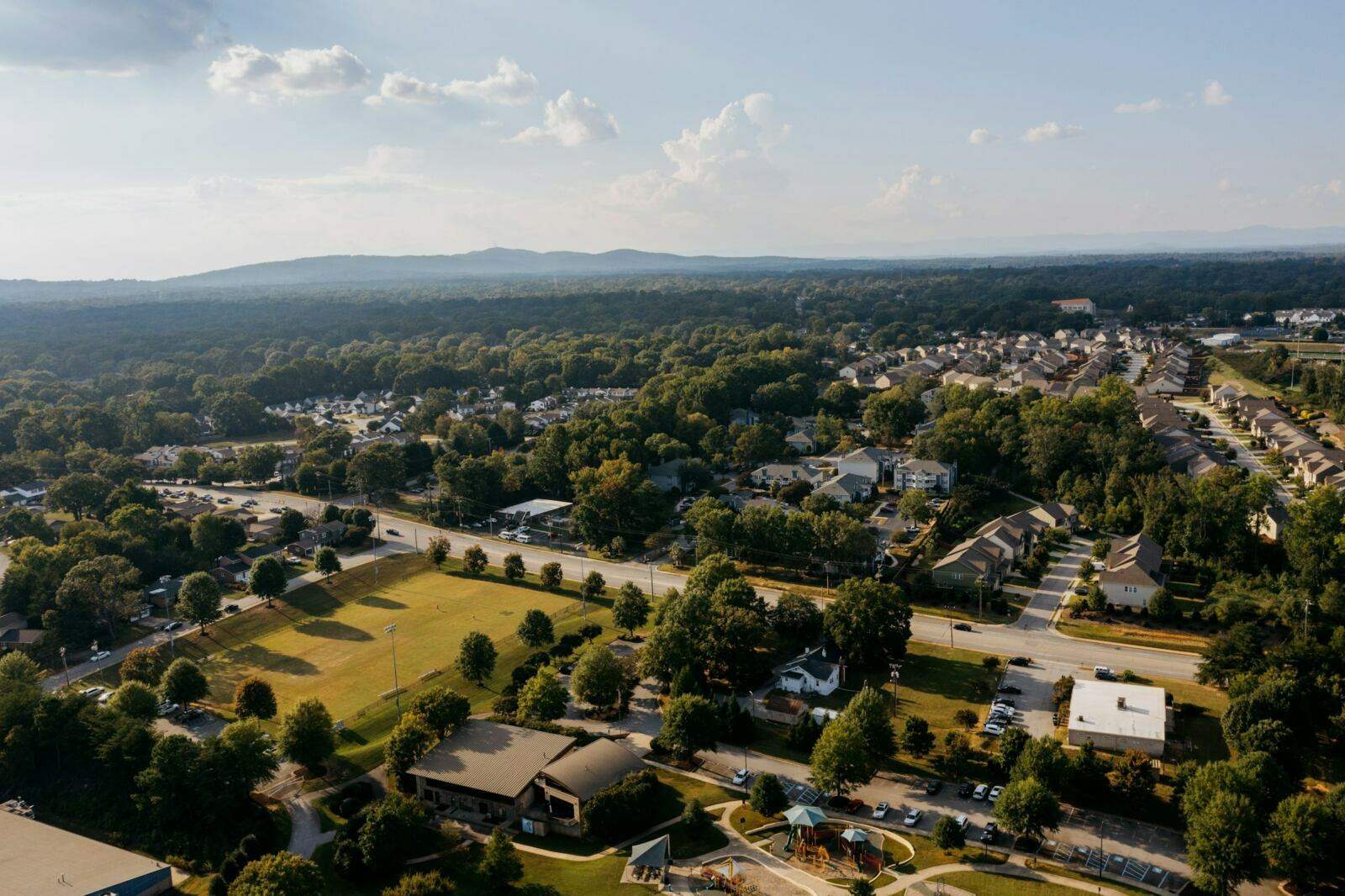

Ever notice how some houses on your street just... never come up for sale? The same family's been there for fifteen years, the kids have moved out, the place is probably bigger than they need now — and yet, no "For Sale" sign ever appears. If you've wondered why, there are actually two very specific, very boring-sounding reasons behind it. And once you understand them, a lot of what's happening in the housing market right now starts to make a lot more sense.
The first reason is what's known as the "lock-in effect." During the pandemic, millions of homeowners either bought or refinanced into mortgage rates in the 2% to 4% range — rates that, looking back, were historically about as good as it gets. Today, a new mortgage runs closer to 6%. So if that family down the street sold their house and bought a new one, they wouldn't just be paying a higher price for the new place — they'd be trading a 3% rate for a 6% rate on top of it. For a lot of people, that math alone is enough to make "let's just stay" feel like the obvious answer, even if the house doesn't really fit their life anymore.
That part of the story, you may have heard before. Here's the part that usually doesn't make the headlines.
Back in 1997, Congress set up a rule that lets homeowners avoid capital gains tax on the first $250,000 of profit when they sell their home ($500,000 for married couples). At the time, that covered the gains almost anyone would realistically see. The problem is, that number has never been adjusted for inflation — not once, in nearly thirty years. Home values have gone up enormously since 1997, but that tax-free threshold is frozen exactly where it was. The result is that a growing number of longtime homeowners — people who bought decades ago in neighborhoods that have since boomed — would owe a real tax bill simply for selling the home they've lived in for years. Estimates suggest this is now a factor for somewhere around 13 million homeowners nationally, a number that keeps climbing as home values rise and the threshold stays put.
So now you've got two forces pointing in the exact same direction: "if I sell, my rate goes up and my monthly payment goes way up" and "if I sell, I might owe taxes I wasn't expecting." Individually, either one might give a homeowner pause. Together, they're enough to keep a lot of "maybe someday" sellers firmly in the "not now" column.
We asked Mike Oddo, CEO of HouseJet, what he'd say to someone in this exact spot — sitting on a great rate, a paid-down home, and a nagging feeling they're "stuck." "The lock-in effect is real, and so is the tax issue — I'm not going to tell anyone those things don't matter," he said. "But I've seen a lot of people assume they can't move without ever actually running their own numbers. They hear what's happening to everyone else and assume it applies to them exactly the same way. It usually doesn't. The best decisions I've seen people make come from sitting down with their actual numbers — their actual equity, their actual new payment, their actual tax situation — not from following whatever the herd is doing out of fear. Sometimes the math says stay. But sometimes it says you've been more stuck than you needed to be."
Multiply that across millions of households, and you get a housing market with a strange split personality. On one hand, buyer demand has cooled compared to the frenzy of a few years ago, and price growth has slowed in a lot of places. On the other hand, the number of homes actually coming onto the market — especially larger, move-up homes from longtime owners — has stayed surprisingly tight. That's the lock-in effect and the tax threshold working together: even a cooler market doesn't pull as many sellers off the sidelines as you'd expect, because the math for staying put hasn't really changed.
So what does this actually mean depending on where you sit?
If you're a buyer, there's some good news and some less-good news. The good news: you're facing less competition from "move-up" buyers — the people who'd normally be selling their starter home to buy something bigger, and bidding against you in the process. A lot of those buyers simply aren't moving right now, which takes some pressure off. The less-good news: that same group not selling means there are fewer of those larger homes available for you to consider, especially if you're hoping to move up yourself down the road. The market isn't flooded with competition, but it's also not flooded with options.
If you're a seller — especially if you're one of the homeowners we've been describing, sitting on a low rate and a paid-down or appreciated home — here's the upside: if you DO decide to list, you stand out. When inventory is tight because so many of your neighbors are staying put, your home gets more attention by default. Buyers who've been waiting for more options to choose from will notice yours. Prices have settled, as have interest rates. This might be one of the best times in recent years to buy a home.
Which brings us to the practical part. If you're a homeowner who's been assuming "I can't afford to move" because of your rate or your potential tax bill, it's worth actually running the numbers instead of just trusting the assumption. A few things worth checking: What would your new payment actually look like at today's rate, once you factor in how much equity you'd be bringing from this sale? Sometimes a smaller mortgage on a more expensive home, funded by a large chunk of equity, ends up closer to your current payment than people expect. On the tax side, talk to an accountant about what you'd actually owe — there are sometimes ways to reduce that bill depending on improvements you've made over the years, and the answer is often less scary than the headline number. And finally, what's the actual cost of staying? A house that no longer fits your life — too big, too small, wrong location — has its own cost, even if it doesn't show up on a bill.
Here's the balanced takeaway as HouseJet sees it: the lock-in effect and the outdated tax threshold are both real, and they explain a lot about why your neighborhood looks the way it does right now. For some homeowners, staying really is the right call — there's nothing wrong with holding onto a great rate and a home that works. But "everyone else is staying put" isn't the same thing as "so should I." If you've been assuming you're stuck without ever doing the math, that's worth fixing — because the only way to know for sure is to actually look.