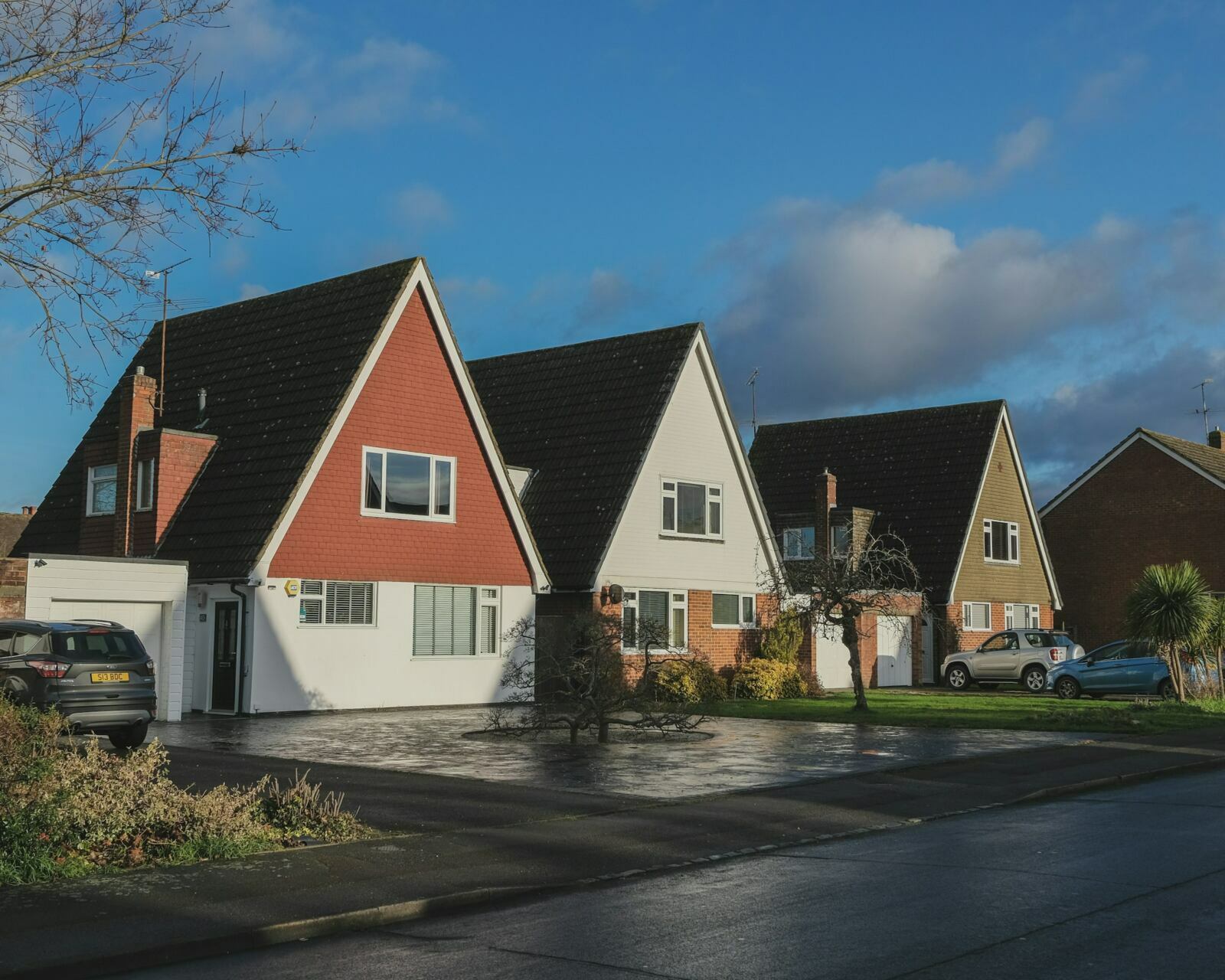

You’ve been scrolling. You found it — the one. The kitchen has those open shelves you’ve always wanted. The backyard looks like something out of a lifestyle magazine. The bedroom is bright and airy, with big windows flooding the space with light. You’re already picturing where the couch goes.
Then you walk through the door.
And something feels… off.
It happens more than you’d think, and it’s not your imagination playing tricks on you. Listing photos are carefully curated to make every home look its absolute best. Wide-angle lenses, professional lighting, strategic staging — these are the tools of the trade. And while none of that is dishonest, it does mean that what you see online and what you experience in person can feel like two completely different homes.
The good news? Once you understand why this happens, you can protect yourself from the disappointment — and actually use your in-person visits to find a home you’ll love even more than the pictures suggested.
Why Photos Lie (Even When They’re Not Trying To)
Real estate photography has become genuinely impressive, and that’s kind of the problem.
A wide-angle lens can make a 10-by-10 bedroom look like a spacious suite. That cozy living room might be 200 square feet in real life. The gorgeous natural light in the photos? That shoot happened on a sunny Tuesday at 2 p.m. — not on the overcast Saturday morning when you’re doing your tour.
Staging plays a huge role too. Furniture is often carefully chosen to make rooms look proportional and inviting, and some of it might not even belong to the seller. Once the staging is gone, the rooms can feel entirely different.
Then there’s what photos simply can’t capture: the sound of the busy road just beyond that “quiet” backyard, the low ceilings in the basement, the musty smell in the laundry room, or the neighbor’s dog who’s apparently a morning person. Photos are flat. Real life is three-dimensional, sensory, and full of details that no camera can capture.
The Emotional Trap Is Real
Here’s something worth acknowledging: when you fall in love with a home online, you’ve already started emotionally investing in it before you’ve even set foot inside. You’ve mentally rearranged the furniture. You’ve told your partner about “the one.” You’ve imagined hosting Thanksgiving dinner in that dining room.
That emotional investment makes it hard to see clearly once you’re standing in the actual space. If something feels off, you might rationalize it. You talk yourself into overlooking things you normally wouldn’t.
Being excited about a home is great — but walking in with a clear checklist and a grounded mindset will serve you much better in the long run.
What to Actually Pay Attention To During a Showing
The in-person visit is your reality check, and it’s worth treating it seriously. Here’s what experienced buyers learn to focus on:
Flow and feel. Does the layout work for how you actually live? Open floor plans photograph beautifully but can feel loud and chaotic for families with young kids. Conversely, a home with a more traditional layout might feel cozier and more functional than it looked online.
Room dimensions. Bring a tape measure. Sounds basic, but knowing your furniture dimensions and confirming the rooms can actually fit your life is something photos will never tell you.
Light — at different times of day. If you love a sun-drenched kitchen, ask which direction it faces. A kitchen that looks bright in a noon photo might be dim by dinnertime.
The neighborhood, not just the house. Drive through at different times. Go on a weekday morning and a Saturday evening. The vibe shifts, and you want to know what you’re actually buying into.
Smells, sounds, and surface conditions. These are the things photos categorically cannot show you. Pay attention to musty odors (moisture issues), sound bleed from neighbors or traffic, and the condition of surfaces under the staging and furniture.
Going Deeper Than the Listing Photos
One thing HouseJet emphasizes with buyers is what they call a “second eyes” approach — the idea that even a great listing deserves to be looked at with fresh, skeptical eyes, not just excited ones.
Mike Oddo, CEO of HouseJet, puts it plainly: “We tell buyers all the time — don’t fall in love with a listing photo, fall in love with a home. The photo is marketing. The walk-through is the truth. Our job is to help people see past the presentation and understand what they’re really getting.”
HouseJet has built tools that help buyers look at homes more holistically — digging into neighborhood data, historical price trends, and property details that don’t show up in the pretty pictures. Instead of just browsing photos, buyers can explore a home’s market history, see how long it’s been sitting, and compare it to similar properties nearby. It’s the kind of context that helps you walk into a showing with your eyes wide open instead of just your heart.
How to Reset Your Mindset Before Every Showing
One practical tip: try not to walk into a showing with an emotional verdict already made. Give yourself permission to be surprised in either direction — a home that looked mediocre online might absolutely charm you in person. And one that looked perfect might reveal problems you can’t unsee.
Bring a notebook or use your phone to jot down honest impressions room by room. Did the kitchen actually feel functional, or was it beautiful but cramped? Did the backyard feel private, or was there a highway hum you couldn’t quite ignore?
Give yourself a few minutes at the end of each visit to just sit in the space — in the living room or on the back porch — and ask yourself how you actually feel. Not how you thought you’d feel. That gut check is data.
The Homes That Surprise You
Here’s the flip side of all this: sometimes the homes that look the least impressive in photos turn out to be the ones you love most.
Bad lighting, cluttered staging, or just an unlucky shoot can make a genuinely wonderful home look underwhelming online. These are often the hidden gems — the ones with fewer competing offers because buyers wrote them off before stepping inside.
The homes that truly work for your life aren’t always the ones that win a scroll. They’re the ones that feel right when you’re standing in the kitchen at 10 in the morning, imagining your actual Tuesday. Don’t let a photo — great or terrible — make that decision for you.
Trust the Walk-Through
Real estate is an emotional experience, and that’s not a bad thing. Buying a home is one of the biggest decisions of your life, and of course your heart is involved.
But the most satisfied buyers are the ones who let both their heart and their head do the work. They got excited online, stayed grounded in person, and trusted what they actually experienced over what they’d imagined. That balance — enthusiasm tempered by clear-eyed observation — is what leads to a home you’ll still love five years from now, not just in the listing photos.