
If you are thinking about selling your home this fall, the numbers paint a picture you need to see before you set your asking price. The share of active listings with a price reduction just hit a four-year high, according to Realtor.com's September 2026 Monthly Housing Trends Report. More than one in five sellers is dropping their price, and the data suggests most of them could have avoided it.
This is not a housing crash. Prices nationally are still up year over year, and homes are still selling. But the market has shifted enough that the old playbook of pricing high and waiting for a bidding war no longer works in most parts of the country. Sellers who understand what the data actually says, and adjust their strategy accordingly, are still closing on timeline and near asking price. Sellers who ignore the shift are sitting, cutting, and leaving money on the table.
The Numbers Behind the Price Cut Surge
According to Realtor.com, 20.8% of active listings had their price reduced in September 2026, up 0.9 percentage points from a year earlier. That is the highest September reading since 2018 and the highest single-month share since October 2022. All four census regions and 36 of the 50 largest metros are now above their year-ago price cut shares.
This is not happening in a vacuum. Mortgage rates climbed nearly 40 basis points over the course of September, crossing 7% for the first time since January 2025, according to Realtor.com. As of October 1, the 30-year fixed-rate mortgage averaged 7.28%, according to Freddie Mac's Primary Mortgage Market Survey, up from 7.03% the prior week and 6.34% a year ago.
Higher rates shrink the pool of qualified buyers. When fewer buyers can afford your home at a given price, you either wait longer or you cut. That is exactly what the data shows happening. Pending sales, the count of homes under contract, fell 4.1% year over year in September, according to Realtor.com. Meanwhile, active listings grew 5.5% year over year, topping 1.16 million homes for sale. National inventory now sits just 9.1% below pre-pandemic norms, the narrowest gap Realtor.com has recorded.
Concessions Are the New Normal
Price cuts are only part of the story. Redfin reported that in August 2026, home sellers gave concessions to buyers in 44.7% of U.S. home sales, up from 42.6% a year earlier and the highest share for August since at least 2020. These concessions include money toward repairs, closing costs, and mortgage rate buydowns.
Even more telling: roughly 15.8% of homes that sold in August had both a price drop and a concession, according to Redfin. That is up from 15.6% a year earlier and the highest August share in Redfin's records. In other words, some sellers are discounting twice before a deal closes.
The trend is especially pronounced in Sun Belt markets that boomed during the pandemic. In Atlanta, nearly three-quarters of buyers received concessions. In Charlotte, Phoenix, Las Vegas, and Raleigh, roughly two-thirds of deals included them. Redfin's data shows U.S. home sellers outnumbered buyers by 58% in August, the widest gap in records going back to 2013.
Redfin separately reported that in the four weeks ending September 20, 21.1% of sellers with active listings had cut their asking price, a record for that time of year. Among the 50 most populous metros, Denver led at 30.9%, followed by Indianapolis at 29.9%, and three Texas metros: San Antonio at 26.8%, Dallas at 26.6%, and Austin at 26.1%.
Why Overpricing Costs You More Than You Think
The instinct to price high and negotiate down feels logical. You want room to work with. But the data consistently shows that overpriced homes sit longer, attract fewer showings, and ultimately sell for less than homes priced correctly from the start.
When a listing sits on the market without offers, it sends a signal to every buyer and agent watching. Days on market become a negotiating tool for the other side. By the time you cut your price, you have already lost the surge of attention that comes in the first week or two of a new listing. You are now competing not just on price but against the perception that something is wrong with your home.
In a market where one in five listings already carries a price cut, buyers are conditioned to wait. They see a reduction and wonder whether another one is coming. That psychology works against you the moment your listing goes stale.
What Smart Sellers Are Doing Differently
The sellers who are closing without price cuts share a few habits that the data supports.
They are pricing at or just below the most recent comparable sales in their neighborhood, not above them. In a rising market, pricing above comps can work because the market catches up to you. In a flat or softening market, it just means you sit. Zillow's data through July 2026 shows the typical U.S. home was worth about $371,757, up just 1.1% from a year earlier. That is not enough appreciation to give you pricing cushion.
They are factoring in the buyer's monthly payment, not just the sale price. A buyer shopping at 7.28% faces a very different monthly cost than one shopping at 6.34% a year ago. On a $350,000 home with 10% down, that rate increase adds roughly $200 per month to the mortgage payment. Every dollar you add to the price pushes some percentage of qualified buyers out of the pool entirely.
They are front-loading preparation. In a market where nearly half of transactions involve concessions, the sellers who invest in pre-listing inspections, minor repairs, and staging are giving buyers fewer reasons to ask for credits at the negotiating table. A $3,000 repair you handle before listing often prevents a $10,000 concession demand after inspection.
They are also being realistic about timing. September's data from Realtor.com shows that the fall slowdown arrived earlier than usual this year. If your home has been on the market for more than three weeks without a showing request that leads to an offer, the price is the most likely problem, regardless of what you believe the home is worth.
The Market Is Not Against You, but It Has Changed
Nothing in this data suggests you cannot sell your home right now. Homes are still selling. Prices are still positive year over year nationally. The market has not collapsed. What has changed is that buyers have options they did not have two years ago, and they are using them.
Active inventory is at its highest level relative to pre-pandemic norms since the housing market tightened in 2020. Buyers can be selective. They can walk away. They can ask for concessions and get them. That does not mean you are powerless as a seller. It means the margin for error on pricing is thinner than it has been in years.
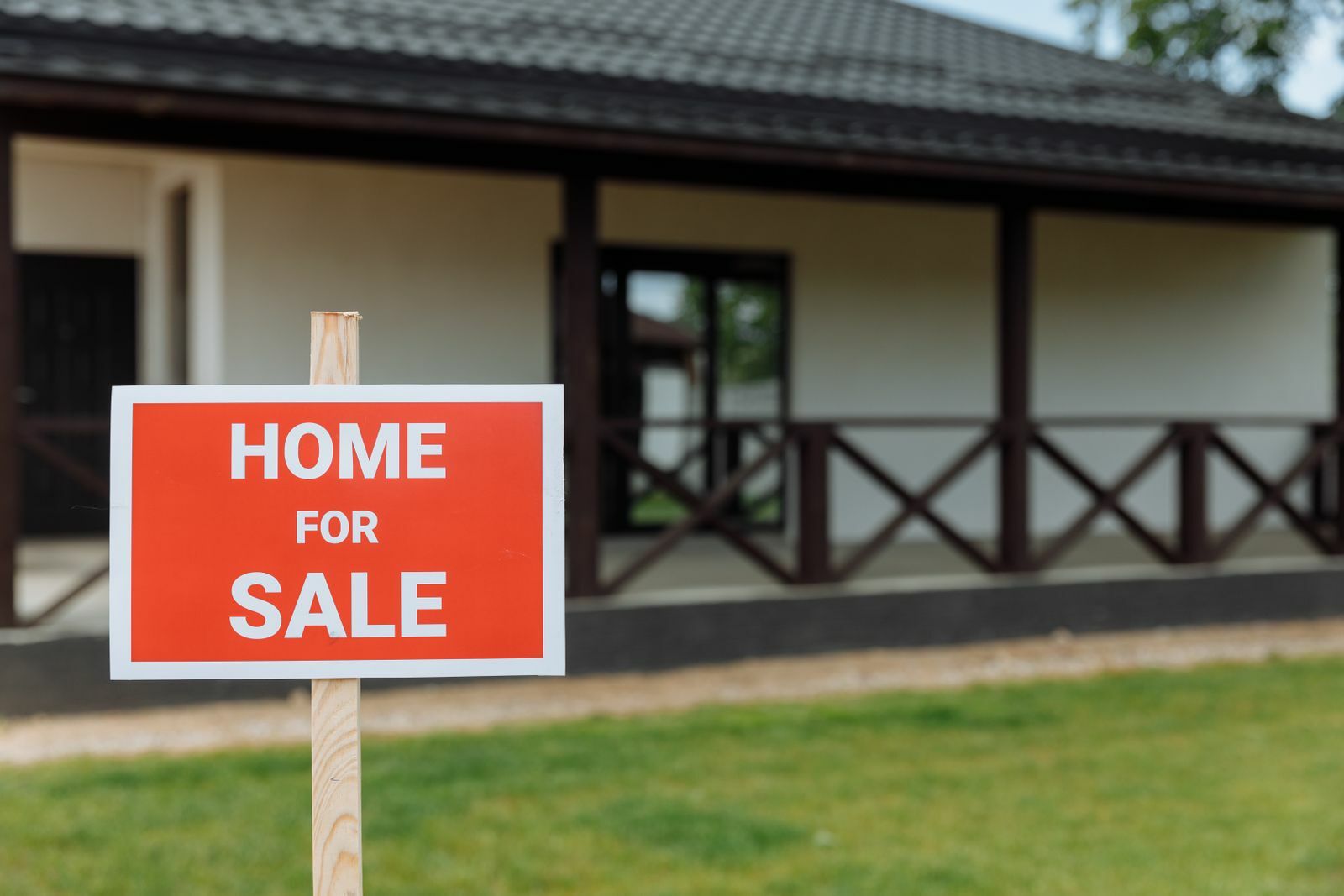
The difference between a home that sells in two weeks at asking price and one that lingers for two months before a price cut is almost always the initial listing price. The data is clear on this. If you want to avoid joining the one in five who are cutting, the work starts before the sign goes in the yard.