
Not that long ago, buying a home meant one thing above almost everything else: location, location, location. Specifically, how close is this to my office? Buyers would stretch their budgets thin just to shave 20 minutes off a commute, settling for smaller spaces in pricier zip codes because the math seemed to demand it.
That math has changed.
Since remote work went from a rare perk to a mainstream reality, the way people think about where to live — and what kind of home they actually need — has shifted in ways the housing market is still catching up to. People aren't just relocating. They're rethinking the whole picture.
The Great "Why Am I Living Here?" Moment
When millions of workers suddenly found themselves logging in from their kitchen tables, a lot of them had an uncomfortable realization: they'd been paying a serious premium to live near a job they no longer needed to physically show up to.
That realization kicked off one of the most significant housing migration patterns in decades. People left dense, expensive metros not necessarily because they wanted to escape city life, but because they finally could — and doing so meant they could afford more space, better schools, lower taxes, and in many cases, a completely different quality of life.
Small and mid-sized cities that used to sit quietly in the background — places like Boise, Asheville, Chattanooga, and Raleigh — suddenly found themselves on everyone's radar. The buyers showing up weren't retirees looking to slow down. They were working professionals in their 30s and 40s who just needed a solid internet connection and a home that could pull double duty as a living space and a workspace.
"Work from Anywhere" Is Reshaping the Buyer Pool
Here's something worth paying attention to if you're selling a home: the buyer for your property might not live anywhere near you right now.
"We're operating in a truly global economy at this point, and that changes everything about who can buy a home," says Mike Oddo, CEO of HouseJet. "When someone can do their job from a laptop in another state — or even another country — geography stops being the gatekeeper it used to be. That means sellers have access to a much broader pool of buyers than they ever did before, and buyers have more freedom to find the right home instead of just the convenient one."
That expanded buyer pool is real, and it's not going away. Companies that went remote during the pandemic have mostly kept flexible policies in place. Freelancers, consultants, and entrepreneurs have always had location flexibility, and their numbers keep growing. Add in the rise of digital nomads and internationally remote workers, and you've got a genuinely new kind of homebuyer in the market — one who isn't anchored to any particular city.
What Remote Workers Actually Want in a Home
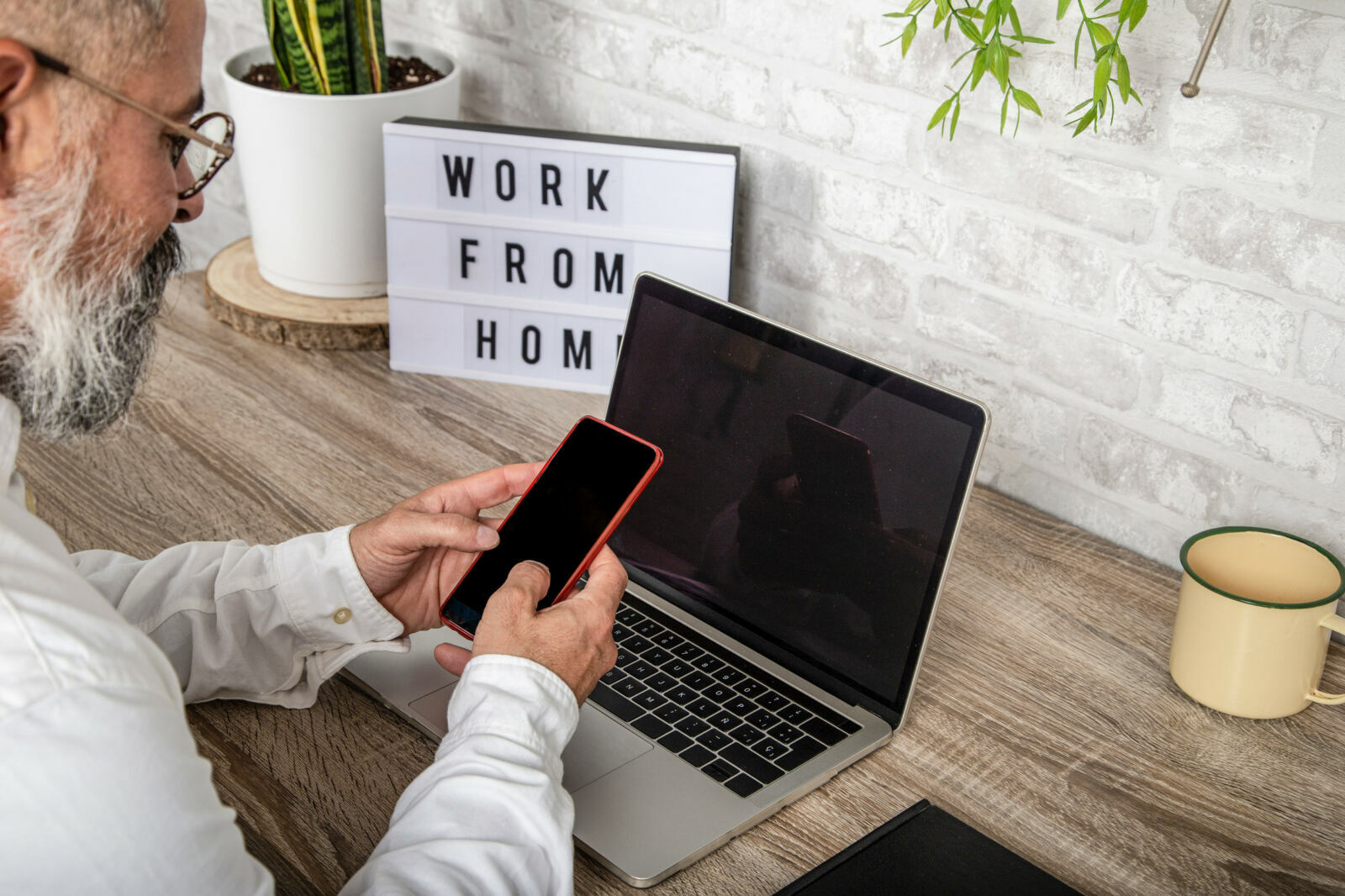
The needs of someone who works from home full-time are genuinely different from someone who only sleeps there between office days. Square footage matters more. Privacy matters more. A home that was perfectly fine for a couple who spent most of their waking hours somewhere else can feel surprisingly cramped once both people are there all day, every day, trying to take calls and meet deadlines.
Here's what remote workers consistently prioritize:
A dedicated workspace. This is probably the biggest one. A spare bedroom that can function as a real office — with a door that closes — is worth significantly more to a remote worker than an open-concept bonus area. People need to separate "work mode" from "home mode," and that separation usually requires four walls and a door handle.
Upload and download speeds. Fiber optic access or reliable high-speed broadband isn't a luxury for someone on video calls eight hours a day — it's a necessity. Remote workers will ask about internet options before they ask about almost anything else.
Natural light and a functional layout. Spending an entire workday in a dark room gets old fast. Homes with good natural light, especially in rooms that could serve as offices, are genuinely more appealing to buyers who'll spend most of their day in the house.
Outdoor access. The ability to step outside during a lunch break, take a call on a patio, or just decompress in a backyard between meetings matters more when home is also your workplace. Outdoor space — even modest outdoor space — carries extra weight with remote buyers.
Proximity to amenities (but not necessarily a downtown office). Remote workers still want to live somewhere with good restaurants, walkable neighborhoods, and things to do. They've just decoupled that preference from the old requirement of being close to a central business district.
How to Make Your Listing More Appealing to Work-from-Home Buyers
From the team at HouseJet
If you're getting ready to list your home, it's worth thinking about how to position it for buyers whose daily reality includes working from home. Here are a few practical moves that can make your listing stand out:
Stage one room as a real office. If you have a spare bedroom or any dedicated space, set it up as a functional home office for your photos and showings. A clean desk, good lighting, and a professional feel go a long way toward helping buyers picture themselves working there.
Lead with your internet infrastructure. If you have fiber or high-speed cable, say so in the listing — don't make buyers hunt for that information. It's one of the first things remote workers look for, and being upfront about it signals that you understand what they need.
Highlight quiet and privacy. Mention if the potential office space is on a different floor from the main living area, faces a quiet street, or has good sound separation from the rest of the home. Remote workers who spend their days on video calls think about this constantly.
Showcase outdoor space. Even a modest patio or a private backyard becomes a selling point when your buyer works from home. Market it as an extension of the living experience, not just a patch of grass.
Mention local coffee shops and coworking spots. Plenty of remote workers like to get out of the house a few days a week. If your home is close to walkable coffee shops, coworking spaces, or a lively main street, include that in how you describe the neighborhood.
The Bigger Picture
Remote work hasn't just changed where people want to live — it's changed what they need a home to do. A house isn't just shelter anymore. For a growing slice of the market, it's also an office, a sanctuary, and the backdrop for pretty much their entire professional life.
That shift gives sellers a real opportunity if they pay attention to it. Positioning a home for the remote-work lifestyle isn't about overhauling anything — it's about speaking directly to what a huge portion of today's buyers are actually looking for.
The commute used to be the whole conversation. These days, the home itself is.