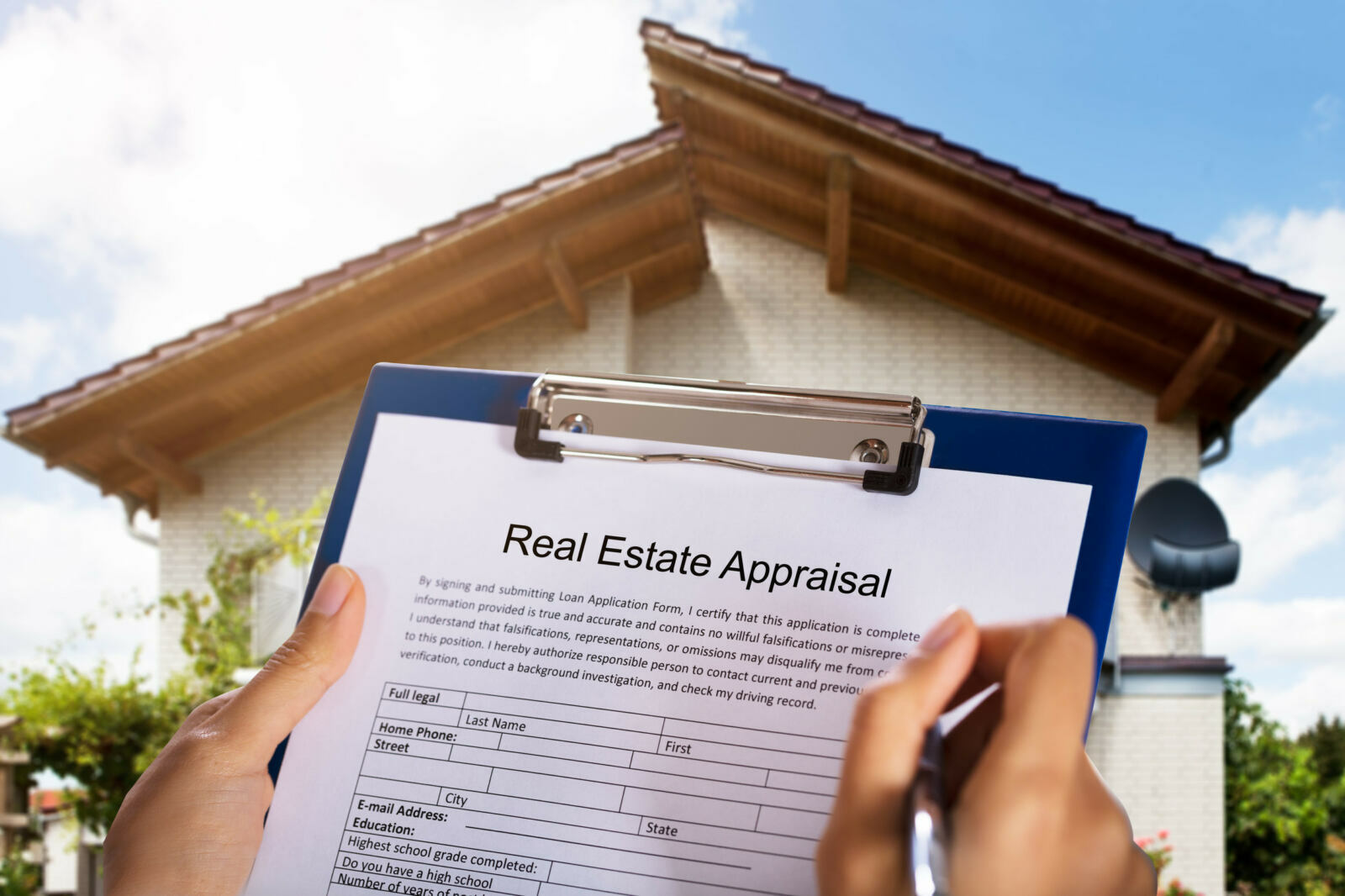

For the last few years, first-time buyers have basically been the underdog of the housing market — competing against cash offers, bidding wars, and a shrinking slice of homes they could actually afford. So here's a stat that might surprise you: first-time buyers just made up 35% of all home sales, the highest share since June 2020. A year ago, that number was sitting at 30%. Something has shifted, and it's worth understanding why.
Let's start with the obvious question — what changed? It's not one big dramatic thing. It's a handful of smaller shifts that all happened to line up at the same time.
First, there's simply more to choose from. Inventory has been climbing in a lot of markets, which means first-time buyers aren't stuck picking from the three listings that happen to fit their budget. There's more to look at, more time to think, and more room to actually find a home that fits instead of grabbing whatever's available.
Second, affordability has nudged in the right direction — modestly, but it counts. Rates have come down from where they were a year ago, prices have leveled off or softened in a lot of places, and even small movements in either direction can change what a buyer qualifies for. None of this means homes are suddenly cheap. But "a little better" is often the difference between someone staying a renter for another year and someone finally getting their offer accepted.
Third — and this one's huge for first-timers specifically — the bidding-war pressure has eased way off. For a few years, buyers were routinely waiving inspections just to make their offer look more competitive. That number has dropped to around 17% of buyers waiving inspection contingencies, down from roughly a quarter a year ago. That might sound like a small technical detail, but it's actually a big deal. It means buyers no longer have to gamble away one of their biggest protections just to get a seller to say yes.
If you've never bought a home before, here's why that matters so much: an inspection is often the thing that catches the issue you'd never spot on your own — the roof that's got two years left, the foundation crack that's more than cosmetic, the electrical panel that's a fire code violation waiting to happen. Waiving that contingency means if something major turns up after closing, it's entirely your problem. Fewer buyers having to make that trade-off is a genuinely good sign for anyone walking into this market for the first time.
So what does all this mean if you're a first-timer who's been sitting on the sidelines — maybe for a year, maybe longer — watching all of this from a distance and wondering if it's still not your turn?
HouseJet believes it might be. Not in a "drop everything and buy tomorrow" way, but in a "this is genuinely a different environment than the one you've been watching" way. The market that felt closed off to first-time buyers for the last few years has loosened up in some real, measurable ways. More homes to choose from, slightly better affordability, and sellers who are less likely to expect you to bid blind and skip the inspection. That combination hasn't existed in a while.
Here's the catch, though — and it's an important one. A better environment doesn't help you if you're not ready to move when the right home shows up. So if you've been sitting on the sidelines, the most useful thing you can do right now isn't to keep watching the news for the "perfect" moment. It's to get yourself ready so that when a good moment shows up, you can actually act on it.
Start with pre-approval. Not a casual rate quote — an actual pre-approval, where a lender has looked at your real numbers and told you what you qualify for. This does two things: it tells you what you can actually afford (which is often a more comfortable number than people expect once they see it in writing), and it makes you a real contender the moment you find a home you like.
Next, get to know your local inventory — not the national headlines, your actual area. Spend a few weeks just watching what's listed, what it's selling for, and how long it's sitting. You'll start to get a feel for what a fair offer looks like in your market, which means when the right home shows up, you won't be guessing.
And finally — stop waiting for the "perfect" rate. We know this comes up constantly, and we get why. But rates move in both directions, on their own schedule, often based on stuff that has nothing to do with your life. If a home works for your budget at today's rate, it's worth taking seriously. You can always look at refinancing down the road if rates drop later. You can't always go back and buy the house that sold to someone else while you were waiting.
We asked Mike Oddo, CEO of HouseJet, what he'd want first-time buyers to take from a moment like this. "The buyers who win in a market like this aren't the ones with the most money," he said. "They're the ones who got their paperwork together, figured out their real number, and stayed ready while everyone else was still waiting for a sign. When the market opens up even a little, preparation is what lets you move. Everyone else is still deciding whether it's real."
If you've been telling yourself "maybe next year" for a while now, this might be worth a second look. The conditions that made the last few years so brutal for first-time buyers haven't disappeared completely — but they've eased in ways that are actually showing up in the numbers. You don't have to have it all figured out today. But getting your numbers in order, learning your local market, and staying open to a home that's good enough rather than holding out for perfect — that's how people go from "watching from the sidelines" to "closing on a house" faster than they expected.
You've waited a long time for the market to give you a little room. It just did. Don't let it pass by because you were waiting for it to feel like more.