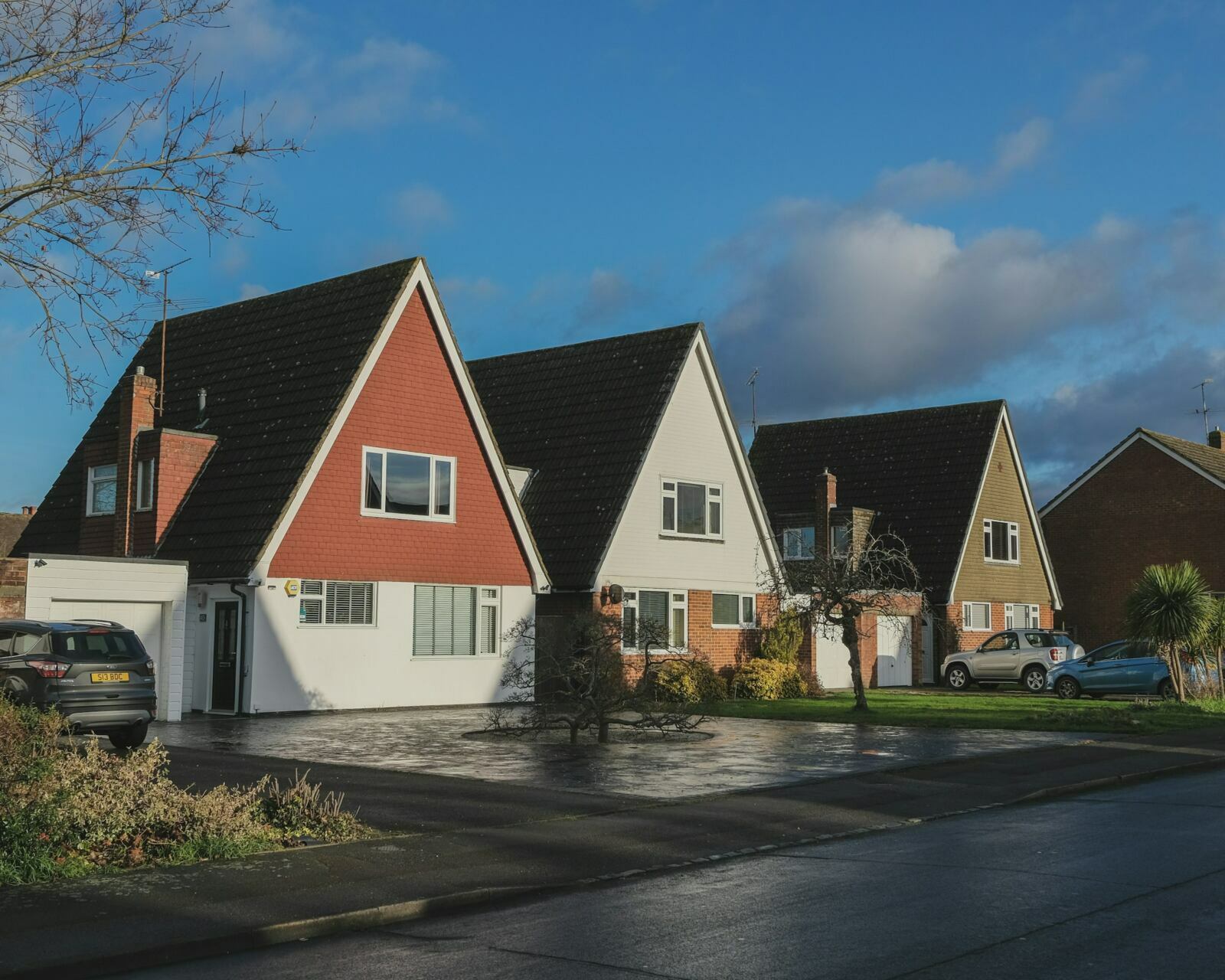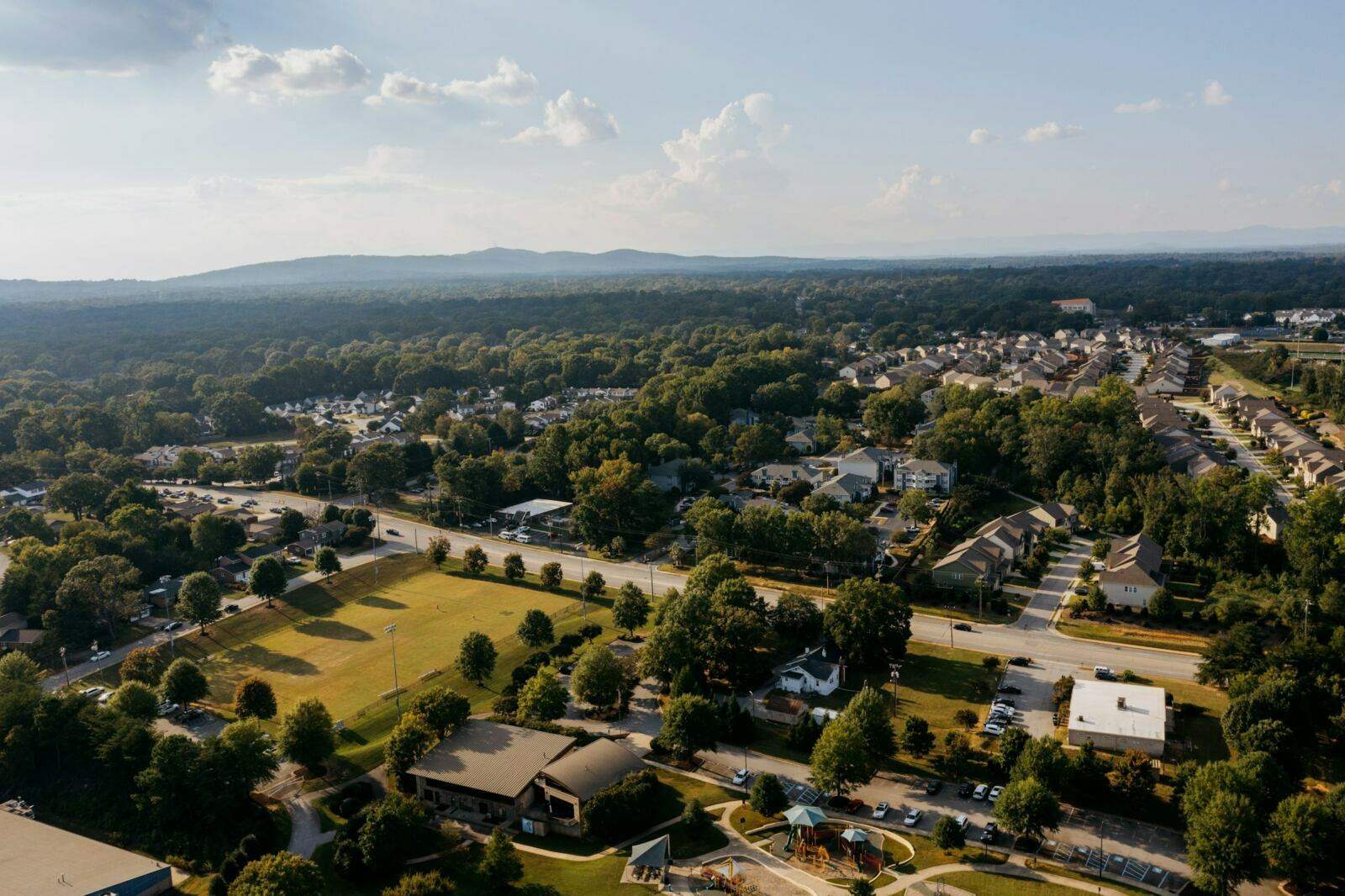

For decades, “location, location, location” usually meant the same handful of things. Good schools. Short commute. Decent neighborhood. Walkable to coffee if you were lucky.
In 2026, location includes a brand-new question buyers can’t ignore anymore: how exposed is this house to the weather?
You can already feel the shift. Five years ago, climate risk was something a handful of buyers asked about in places like Miami or Malibu. Today it’s a kitchen-table conversation in Phoenix, Houston, Nashville, Asheville, and Boise. People are pulling up flood maps before they pull up listing photos. They’re getting insurance quotes before they even write an offer. And in plenty of cases, they’re walking away from houses they love because the math just doesn’t work once the weather risk gets priced in.
It’s a big shift. And it’s quietly reshaping where people are buying.
Bad Weather Can Mean Higher Costs
Let’s start with the most obvious piece: insurance. If you’ve shopped for a home in Florida, Louisiana, parts of California, or coastal Texas recently, you already know what’s happening. Premiums have climbed hard, carriers have pulled out of entire regions, and what used to be a small line item on the monthly budget has turned into a number that can make or break the deal.
It’s not unusual now for buyers to look at a house priced perfectly within their budget and then find out the insurance bill alone tacks on another $400 a month. Sometimes more. That changes everything. Suddenly the “affordable” house isn’t affordable anymore, and the search has to start over.
This is happening so often that buyers in 2026 are doing something they never used to do — getting insurance quotes before making an offer. Not after they’re under contract. Not at the closing table. Before. Because nobody wants to fall in love with a place, win the offer, and then discover that the only carrier willing to insure it wants $7,000 a year.
Move west and the story changes shape but not direction. Buyers in California, Colorado, Arizona, Oregon, and parts of Washington are paying close attention to fire maps. They’re asking about defensible space. They’re checking whether the home sits in a state-designated high fire severity zone, because that one detail can quietly add thousands to the insurance premium — assuming you can even find a private carrier willing to write the policy.
In some California counties, buyers are getting pushed into the state’s insurer of last resort, which costs more and covers less. So even when the home itself looks like a steal, the real cost of owning it tells a very different story. And it’s not just premiums. Wildfire-exposed homes can be harder to resell down the road, especially as more buyers wise up. That’s a long-term value question that didn’t really exist for most people a decade ago.
Here’s the one that catches people off guard: flood risk has gone inland. It’s not just Florida coastlines and Gulf Coast hurricane zones anymore. Heavy rainfall events have hit places like Nashville, St. Louis, eastern Kentucky, and parts of upstate New York hard enough that buyers in those markets are checking flood maps too.
The tricky part is that FEMA’s flood maps haven’t always kept up with the real risk on the ground. Plenty of homes that aren’t technically in a flood zone have still flooded in recent years. That’s pushing smart buyers to look beyond the official maps and check newer tools like First Street’s flood factor data, which folds in updated climate projections. The bottom line: if a house sits low, near a creek, or at the bottom of a slope, buyers are asking more questions than they used to. And they should.
Add it all up — insurance, fire, flood — and you start to see why some markets are gaining buyers and some are losing them. People are migrating not just toward cheaper states, but toward less risky ones. Toward higher ground. Toward areas with stable insurance markets. Toward houses with newer roofs, modern wiring, and updated drainage.
That doesn’t mean people are abandoning beautiful places. The coasts are still busy. The mountains are still busy. But buyers are negotiating harder on risky properties, walking away faster from ones that don’t pencil out, and quietly paying premium prices for properties that look climate-resilient. In other words, climate risk has become a real comp factor — just like good schools have been for the last fifty years.
Mike Oddo, CEO of HouseJet, says he’s been watching this play out in real time. “The smartest buyers right now aren’t just asking what a house costs,” Oddo said in a recent conversation. “They’re asking what it costs to actually own it — insurance, maintenance, climate exposure, the whole picture. That’s the conversation we have with people through HouseJet. We’re not in the business of helping someone fall in love with a house and then find out six months later that it eats their budget. We help them see the total cost of ownership before they ever sign anything.”
Pay Attention to More Than Just Price of the House
That’s the real shift. Total cost, not just purchase price.
A few practical moves are becoming standard for buyers who don’t want to get surprised. They’re getting an insurance quote during the offer stage, not after. Even a fast phone quote can tell you whether you’re walking into a $1,200-a-year premium or a $9,000-a-year premium. That’s life-changing money, and it should shape the offer.
They’re also pulling climate risk data on every serious property. Tools like First Street’s risk scores, county flood maps, and state fire zone maps are basically required reading now. HouseJet has been leaning into this too, pulling those data points into the buying conversation so people see climate exposure right alongside price, taxes, and square footage. Treating those numbers like any other deal-breaker (or deal-maker) is just smart shopping in 2026.
They’re asking sharper questions during inspections. Has the roof been replaced? When? What’s its impact rating? Any signs of past water intrusion? Is there defensible space around the property? Inspectors are used to these questions now, and the good ones welcome them.
And they’re looking five and ten years out. Will this neighborhood still be insurable then? Will resale buyers want this house? Will premiums keep climbing here? Nobody has perfect answers, but the people who at least ask the questions tend to make better decisions than the ones who don’t.
The old “good schools, short commute” calculus isn’t gone. It still matters. But it’s not the whole picture anymore. Climate risk is sitting right next to it now — sometimes louder, sometimes quieter, but always there.
What’s interesting is that this isn’t necessarily a bad thing for the market. It’s a sign that buyers are getting more informed. They’re not just chasing curb appeal or square footage. They’re thinking like long-term homeowners, not just shoppers. And that’s exactly the kind of thinking that protects people from buying into a payment they can’t sustain.
If you’re house-hunting in 2026, take the weather question seriously. Look at the maps. Get the quotes. Ask the questions. Walk away if the numbers don’t work — there’s always another house, but there’s only one budget.
Because in this market, the smartest buyers aren’t just buying a home. They’re buying a forecast. And the ones who read that forecast carefully are the ones who’ll sleep best in whatever weather comes their way.