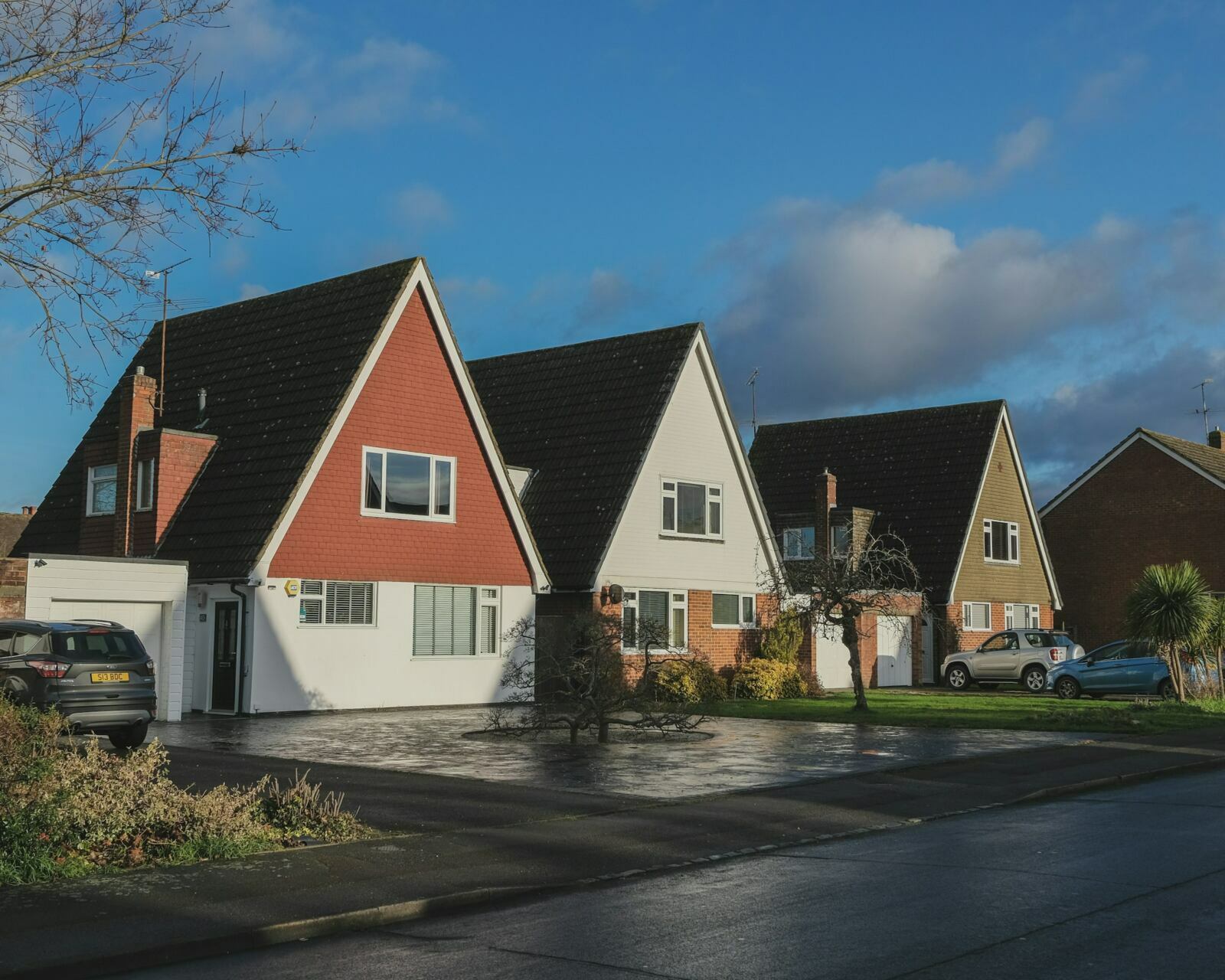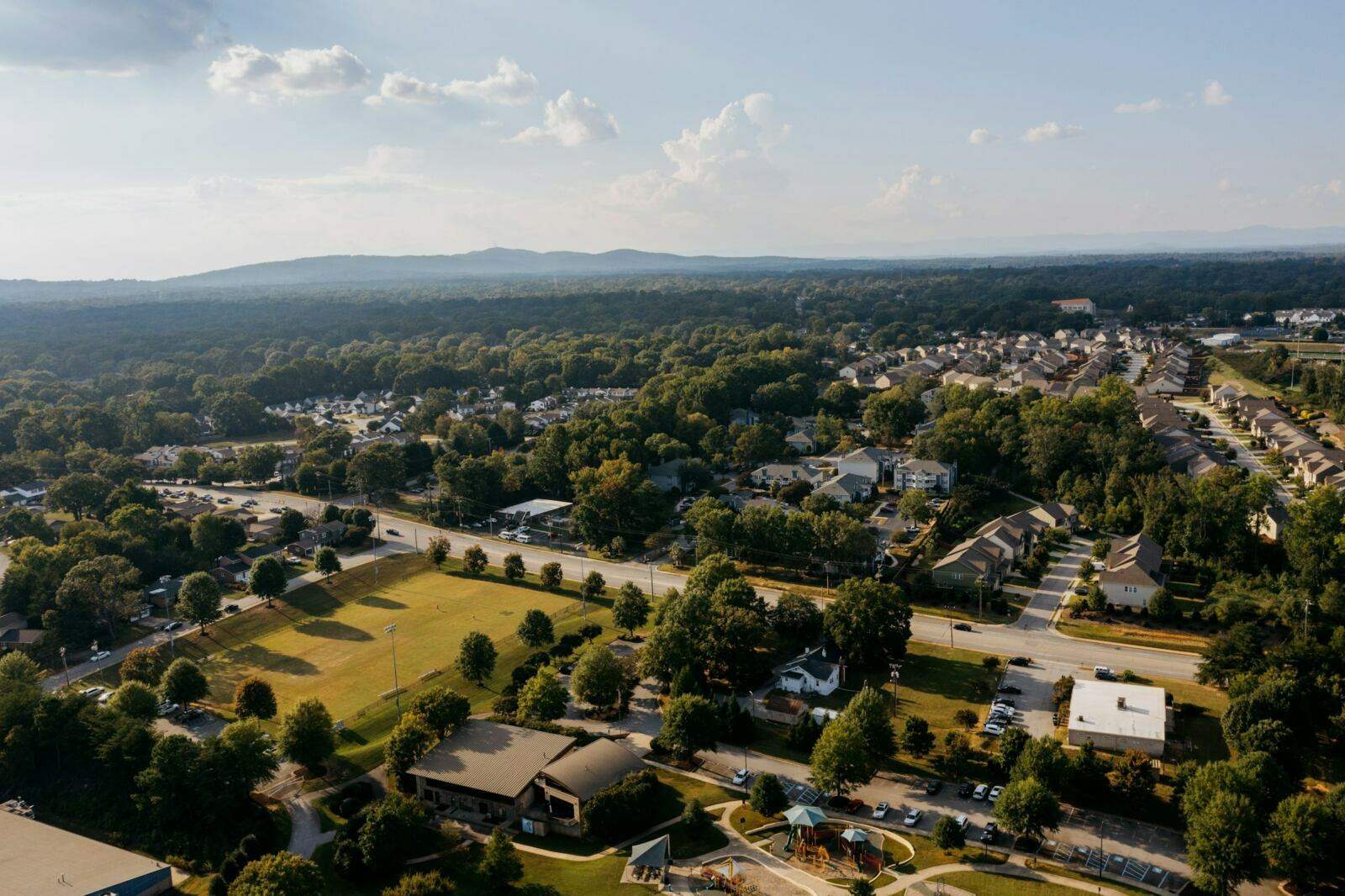

Buying a house in 2026 isn’t what it used to be. Pull up listings in Boston, then pull up listings in Tampa, and you’re basically looking at two different planets. Same country, same year, wildly different rules of the game.
If you’ve been house-hunting — or even just thinking about it — you’ve probably noticed something strange. A friend in Phoenix tells you sellers are offering closing-cost credits and tossing in the fridge, while your cousin in New Jersey just lost a bidding war on a fixer-upper she didn’t even love. Both of them are buying in 2026. Both of them are facing real estate markets. But the experiences couldn’t be more different.
So what’s going on? And more importantly, how should it shape your decision about where to buy?
Let’s start with the Northeast, because that’s where the squeeze is real. Places like Massachusetts, Connecticut, New York, New Jersey, and parts of Pennsylvania are still dealing with a serious inventory crunch. Homeowners with low mortgage rates from a few years back aren’t exactly racing to sell. Moving means giving up that sweet 3% rate and trading it for whatever rates are doing this week. So they stay put.
Fewer listings means more buyers chasing the same small pool of houses. And when that happens, you get bidding wars, over-asking offers, waived inspections, and all-cash buyers showing up out of nowhere to snatch up a starter home before you even finish your tour. It also keeps prices stubbornly high. Even when the broader economy cools off, the Northeast tends to hold its value because demand still outpaces supply. If you’re a buyer up there, you’re competing — and you need to come in prepared, fast, and realistic about what your money will actually get you.
Now flip the map. Head south to Texas, Florida, Georgia, the Carolinas, or out west to Arizona, Nevada, and parts of Colorado, and the picture loosens up considerably. Builders have been busy. Subdivisions keep going up. People who relocated during the work-from-home boom are now reshuffling again, which has added even more inventory to the mix.
That gives buyers something they haven’t had in years: options. And with options comes leverage.
A Closer Look
In a lot of southern and western metros right now, you can actually negotiate. Sellers are offering price reductions, rate buy-downs, and incentives that would have been unthinkable in 2022. Builders are dangling closing-cost credits and free upgrades just to move inventory. If you’re patient, you can find a house, sleep on the decision, write a clean offer, and still walk away with the keys. That doesn’t mean the South is cheap — Austin and Nashville are still pricey by historical standards — but compared to the Northeast, you’re getting more room, more flexibility, and more breathing space.
Here’s where it gets practical. The same $400,000 budget performs very differently depending on where you point it. In a tight Northeastern market, $400,000 might get you a small two-bedroom condo in a so-so neighborhood, with two other buyers waiting in line behind you. In a softer Sunbelt market, that same $400,000 can land you a four-bedroom new-build with a garage, a yard, and a seller willing to pay your closing costs. That’s not a small difference. That’s a totally different life.
And it shapes more than just square footage. It affects your monthly payment, your property taxes, your insurance costs (though Florida and parts of the Gulf Coast have their own insurance headaches to watch out for), and how much cash you’ll have left over for everything else. Buyers who pay attention to regional dynamics tend to make smarter financial decisions, period.
A few years ago, it felt like every market was hot. Today, that’s just not the case. Some metros are buyer-friendly, some are seller-friendly, and some are genuinely balanced for the first time in a long while. National headlines can’t capture that nuance — they paint one big picture when really we’ve got fifty smaller ones running underneath it.
This is why Mike Oddo, CEO of HouseJet, has been telling people not to get spooked by big-picture noise. As he put it recently, “There’s no such thing as ‘the’ housing market anymore. There are dozens of housing markets running at different speeds, and the buyers who win are the ones who understand the speed of theirs. That’s what we built HouseJet to do — give people clarity in whatever market they’re actually buying in, instead of the one they’re reading about.”
That’s the part a lot of folks miss. Your situation isn’t determined by what’s happening in Manhattan or San Francisco. It’s determined by what’s happening on your street, in your zip code, in your price range. And the smartest buyers in 2026 are leaning on tools like HouseJet to cut through the noise and zero in on what their specific market is actually doing.
So how should you actually use this information when deciding where to buy? A few things to keep in mind.
Your Reality Checklist
Be honest about flexibility. If your job and your life are anchored in the Northeast, fine — you’re going to play a tighter, faster, more competitive game. Get pre-approved, know your numbers cold, and don’t fall in love with the first house. Be ready to write strong offers without losing your head.
If remote work or a relocation is on the table, take the regional differences seriously. Moving from a tight market to a looser one can stretch your budget dramatically. You’re not just buying a house — you’re buying a different cost structure, a different lifestyle, and often a different long-term financial trajectory.
Watch property taxes, insurance, and HOA fees. A cheaper home in Texas can come with property taxes that surprise you. A “deal” in Florida can come with insurance premiums that quietly eat into the savings. The sticker price is only part of the story, especially when you cross regional lines.
And don’t try to time the market — time your life. If you’re ready to buy and you’ve found the right place at a price that works for your budget, region matters less than your personal readiness. Markets move. Life timelines don’t wait around for them.
The Bottom Line According to HouseJet
What’s really happening in 2026 is that the housing market is finally splitting into honest regional stories. For years, low rates papered over the differences and made everything look uniformly hot. Now those differences are showing up clearly, and they’re going to matter for the next several years, not just this one.
A buyer in Hartford and a buyer in Houston are playing two completely different games. Once you accept that, you stop comparing yourself to people in other markets and start making smarter moves in your own. You stop reading scary national headlines and start looking at local data. You stop assuming everyone is paying $50,000 over asking, because in plenty of places, nobody is.
The best buyers in 2026 are the ones who understand that where you buy shapes how you buy. It changes your strategy, your leverage, your budget, and your peace of mind. Treat the regional question like the big decision it actually is, and the rest of the process gets a whole lot easier.
Because at the end of the day, you’re not buying “the housing market.” You’re buying one house, in one neighborhood, in one region — and getting that part right is what makes everything else click.