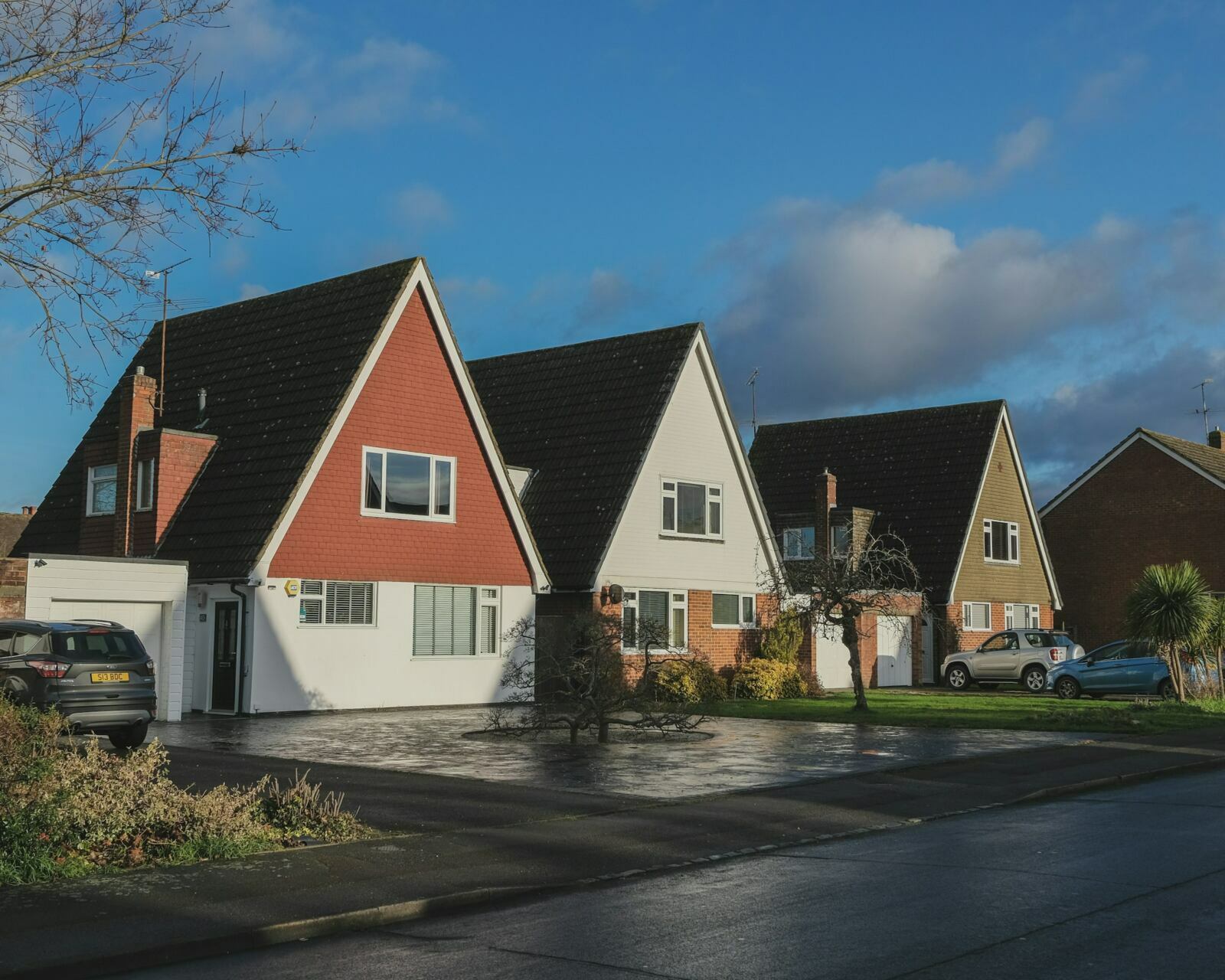

Something unusual is happening in housing right now, and most buyers haven’t fully clocked it yet. In 2026, brand-new homes are often selling for less than comparable existing homes. Not a tiny difference either — in plenty of markets, the gap is real enough to change which house you end up buying.
If that sounds backwards, you’re not alone. For most of the last few decades, new construction came with a premium. You paid extra for the fresh paint, the warranty, the never-been-lived-in feeling. Existing homes, especially in established neighborhoods, were usually the cheaper option. Now that script has flipped — at least for the moment — and it’s worth understanding why.
Why New Construction is so Attractive Now
Let’s walk through what’s actually going on.
The big driver is that homebuilders are stuck with inventory they need to move. They broke ground on a lot of homes during the boom years, and they don’t have the luxury that regular homeowners do. A family with a 3% mortgage can sit on their house forever, waiting for the “right” market. A builder can’t. Builders have loans coming due, payroll to make, and shareholders asking why those finished homes are still sitting on the lot. So they cut prices, throw in incentives, and get aggressive about closing the deal.
Meanwhile, existing homeowners are doing the opposite. Most of them are locked into mortgages from a few years ago at rates that look like a typo today. They are not in any hurry to sell, and when they do list, they price their homes based on what they want to net, not necessarily what the market is doing. That keeps existing-home prices stubbornly high even when the broader market softens.
Put those two dynamics next to each other and you get a market where the builder down the street is suddenly the cheapest option in town.
It’s not just the sticker price either. Builders right now are stacking incentives that quietly add up to enormous savings. Rate buy-downs that knock your mortgage rate down a full point or more. Closing cost credits in the $10,000–$20,000 range. Free upgrades. Appliance packages. Fence and yard credits. Sometimes flex money you can apply however you want. None of that shows up in the listing price, but all of it shows up in your monthly payment and your cash to close.
Compare that to a typical existing-home seller, who might offer to throw in the washer and dryer if you’re lucky.
There’s another piece a lot of buyers don’t think about: the cost of owning the house once you’re in it. A new build comes with new HVAC, new roof, new water heater, new windows, new everything. That stuff doesn’t need replacing for a long time. An existing home that looks beautiful might have a roof that’s 18 years old and an HVAC system limping toward retirement. Those replacements aren’t small. A new roof and a new HVAC together can run $25,000 to $40,000 depending on the market. That’s real money that doesn’t show up in the offer price but shows up in your life eventually.
So when buyers say “new homes are cheaper,” they’re not just talking about purchase price. They’re talking about total cost over the first five to ten years of ownership — and on that math, new construction often wins right now by a wide margin.
Mike Oddo, CEO of HouseJet, has been pointing this out for months. “The savvy buyers right now are the ones taking advantage of this window,” Oddo said in a recent conversation. “They’re looking at the incentive stack on new builds, comparing the real monthly payment, factoring in the maintenance they’re not going to do for ten years, and they’re moving. They understand this isn’t the normal market — and these conditions don’t last forever. The window is open, and the people who recognize it are getting more house for less money than they’d ever expect.”
He’s right that the window won’t stay open forever. Builders won’t cut prices and pile on incentives once their inventory clears. Existing inventory will eventually loosen as life events force more sellers off the sidelines. And rates will move around, which will shift the math again. The buyers who act while the gap is wide are the ones who walk away with the better deal.
New Construction Isn't Right for Everyone
Now, none of this means new construction is automatically the right answer for everyone. Existing homes have advantages too. Established neighborhoods. Mature trees. Bigger lots. Character. School districts that have been around long enough to have a real track record. Walkability you simply can’t get in a brand-new subdivision out on the edge of town. Those things matter, and for plenty of buyers they matter more than the price gap.
But if you’ve been assuming new construction is automatically the more expensive option, it’s worth checking that assumption against the actual numbers in your market. You may be surprised. HouseJet has been encouraging buyers to run the full comparison — new-build pricing including incentives versus existing-home pricing including upcoming maintenance — instead of comparing sticker prices side by side, which paints a misleading picture in 2026. Lining up the real numbers is how you stop guessing and start making a decision you can actually defend.
HouseJet Reminds You to Focus on More Than Price
A few practical things to keep in mind if you start exploring new construction:
HouseJet recommends that you ask the new construction sales agent about the full incentive package, not just price. The headline price might be firm, but builders will often pile thousands of dollars of value into rate buy-downs, closing credits, and upgrades. That’s where the real savings live.
Pay attention to which lender they want you to use. Builder incentives are often tied to using the builder’s preferred lender. Sometimes that lender is competitive, sometimes the rate is slightly higher than market. Run the numbers both ways and see if the incentives still make the deal worth it. Usually they do, but you want to know.
Hire your own inspector. New doesn’t mean perfect. Builders move fast, especially when they’re trying to clear inventory, and inspections catch real issues — missing insulation, plumbing problems, sloppy framing. A few hundred dollars on an inspection can save you a lot of headache.
Look at the neighborhood, not just the model home. New subdivisions can take years to fully build out. Make sure you’re comfortable with what the place will look and feel like before, during, and after construction wraps. Drive it on a weekday evening. Walk it on a Saturday morning. Get a feel for the actual neighborhood, not just the staged model.
And think long-term. If you’re planning to stay five-plus years, the new-build math gets even better, because you’re absorbing the savings while everyone else is replacing roofs and water heaters around year seven.
The bigger point is just to look. A lot of buyers in 2026 are still walking past new construction without checking, assuming it’s out of their range. In plenty of markets, it’s not just in range — it’s the best deal on the block. That’s a strange thing to be able to say about a brand-new house, but it’s where we are right now.
Markets like this don’t come along often. The combination of motivated builders, locked-in existing homeowners, and stacked incentives has created a moment that didn’t really exist five years ago and probably won’t exist five years from now. Whether or not you end up buying new construction, you owe it to your future self to at least run the comparison honestly.
Because every once in a while, the smart move and the surprising move turn out to be the same move.