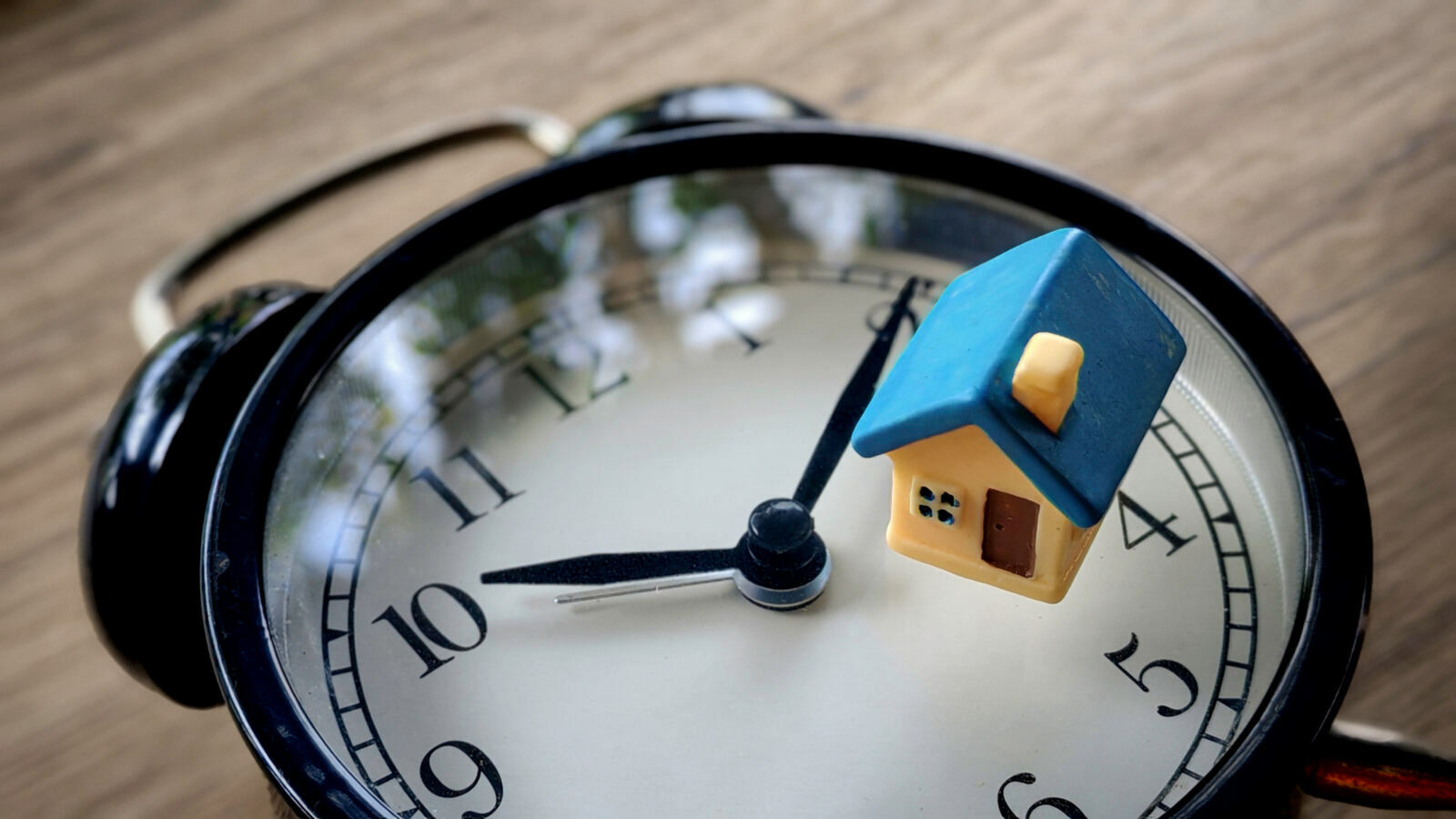

If you've ever thought about waiting for the "perfect time" to buy or sell your home, you're not alone. It's tempting to believe that if you just wait a little longer, you'll catch the market at exactly the right moment—selling at the peak or buying at the bottom. But here's the reality: timing the real estate market is almost impossible, even for seasoned professionals.
The Market Timing Myth
Think about it this way. Even expert economists with access to mountains of data can't consistently predict where the stock market will be in six months. The real estate market is even more complex because it's heavily influenced by local factors that change from neighborhood to neighborhood.
Interest rates might be trending one direction nationally, but your specific area could be experiencing a surge in demand because of a new employer moving to town. Or maybe a school district just got new ratings that changed buyer interest overnight. These hyper-local variables make predicting the "perfect" time nearly impossible.
When you try to time the market, you're essentially trying to predict the unpredictable. Will interest rates go up or down? Will inventory increase or stay tight? Will more buyers enter the market next month or next year? Nobody has a crystal ball, and waiting for all the stars to align often means missing out on opportunities that are right in front of you.
The Cost of Waiting
Here's what happens when people try to time the market: they wait. And wait. And wait some more.
Let's say you're a seller who thinks prices might go up another five percent if you hold off for six months. But what if they don't? What if inventory increases and you end up getting less? Or you're a buyer convinced that prices will drop, so you keep renting. Meanwhile, you're paying someone else's mortgage instead of building your own equity, and the home you could have afforded is now out of reach because prices went up instead of down.
The truth is, life doesn't pause while you're trying to outsmart the market. Job changes happen. Families grow. Circumstances shift. Your personal timeline matters more than trying to squeeze out every last dollar from a transaction.
"The real estate market moves in cycles, but those cycles don't follow a predictable schedule," says Mike Oddo, CEO of HouseJet. "The best approach isn't trying to time the market—it's having a realtor you work with who knows the market inside and out and keeps you in the loop about what's actually happening. When you understand the market conditions at any given time, you can make informed decisions based on your personal situation, not speculation."
What Actually Matters
Instead of trying to time the market perfectly, focus on what you can control.
Your financial readiness matters more than market timing. If you're a buyer, do you have stable income, decent credit, and money saved for a down payment? If you're a seller, are you financially prepared for your next move? These factors will impact your success far more than whether you buy in March or October.
Your life circumstances should drive your decisions. Are you bursting out of your current home? Did you get a job in another city? Are you ready to stop renting and start building equity? Getting married or divorced? These real-life reasons are more important than trying to shave a few percentage points off a purchase price or squeeze a bit more from a sale.
The right home at the right price for your budget is always a good deal. If you find a house that fits your needs and you can afford the payments comfortably, does it really matter if prices dip three percent six months from now? You'll still have a home you love, and real estate historically appreciates over time anyway. Plus, since 1955, home prices have increased an average of 4.9% annually. If you stay in your home long enough, you'll should sell with a healthy profit on your purchase.
How to Stay Informed Without Obsessing
You don't need to become a market expert, but you should stay informed. Here's how HouseJet recommends keeping your finger on the pulse of the real estate market:
Work with a local real estate professional regularly. Don't just reach out when you're ready to buy or sell. Build a relationship with an agent who can give you updates on market conditions in your area throughout the year. They'll help you understand trends, inventory levels, and what's driving prices in your neighborhood. This ongoing relationship means you'll already have expert guidance when you're ready to make a move.
Subscribe to local market reports and housing data. Many real estate companies and organizations publish monthly or quarterly reports about local market conditions. These reports break down average prices, days on market, inventory levels, and other key metrics in language that's easy to understand. You don't need to analyze every data point—just get a general sense of whether your market is favoring buyers or sellers.
Pay attention to what's happening in your community. Sometimes the best market intelligence comes from simply observing your area. Are you seeing more "For Sale" signs pop up? Are homes sitting longer or selling quickly? Is new construction happening nearby? These visible changes often signal shifts in your local market before the data catches up.
The Bottom Line
Trying to time the real estate market perfectly is a losing game. You'll either miss out on great opportunities while you're waiting, or you'll drive yourself crazy second-guessing every decision.
Instead, focus on your personal financial readiness, your life circumstances, and finding the right property at a price that works for your budget. Stay informed about market conditions so you can make smart decisions, but don't let the fear of imperfect timing keep you from moving forward with your life.
The best time to buy or sell isn't when the market reaches some mythical perfect point. It's when the decision makes sense for you, your family, and your financial situation. Work with professionals who can guide you through the process with current market knowledge, and trust that making a well-informed decision today is better than waiting for a "perfect" moment that may never come.
Real estate is a long-term investment. Whether you buy or sell today or six months from now, what matters most is that you're making a move that supports your goals and fits your life. That's something no market cycle can predict for you.