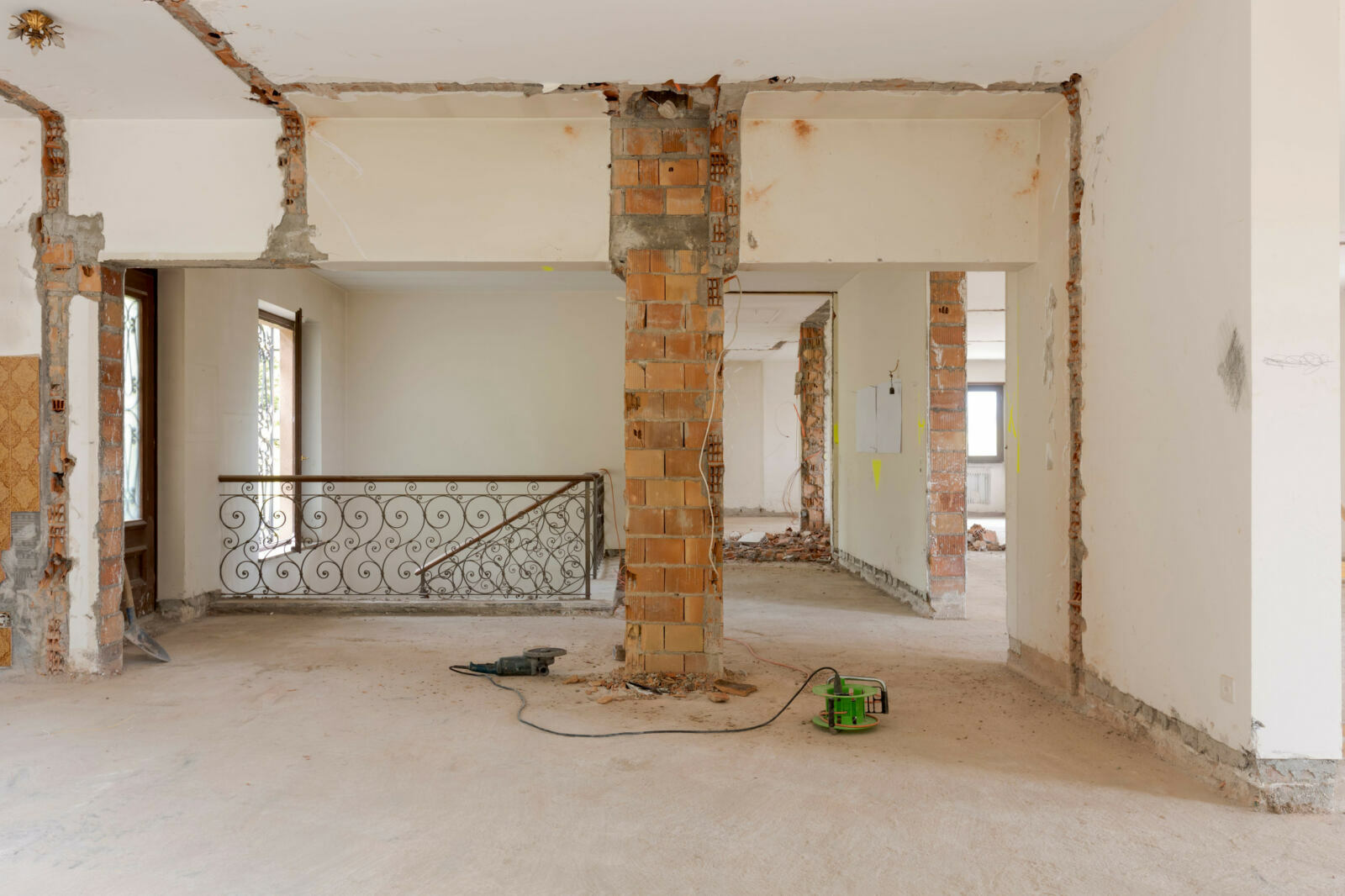

Selling a home is one of the biggest financial decisions most people will ever make. And if your home needs work — whether it's a dated kitchen, a roof that's seen better days, or something more serious — you've probably asked yourself: Should I just sell it as-is and be done with it?
It's a fair question. And the honest answer is: it depends. But not in a wishy-washy way. There's actually a pretty clear framework for thinking this through, and once you understand how buyers and the market respond to different scenarios, the right path forward usually becomes obvious.
Let's walk through it.
What "As-Is" Actually Means
First, a quick clarification. In real estate, selling as-is means you're telling buyers upfront that you won't be making repairs or issuing credits based on what comes up during inspection. You're selling the property in its current condition, full stop.
What it does NOT mean is that you can hide known problems. Disclosure laws still apply in every state. If you know the basement floods every spring or the HVAC is on its last leg, that information has to be disclosed regardless of how you're selling.
So as-is isn't a legal escape hatch. It's more of a negotiating posture — one that signals to buyers what they're walking into.
The Hidden Problem With Advertising "As-Is" in Your Listing
Here's something a lot of sellers don't realize until it's too late: putting the words sold as-is directly in your listing description will quietly shrink your buyer pool — often dramatically.
Why? Because most buyers scanning listings on Zillow, Realtor.com, or any other platform are not investors. They're regular people who want a home they can move into without a construction project waiting for them. The moment they see "as-is" in a description, a large percentage of them skip right past your listing without a second thought. It triggers an immediate assumption that something is seriously wrong — a foundation issue, mold, fire damage, something scary. Even if your situation is nothing like that.
Beyond the pool of buyers shrinking, you also lose negotiating leverage. Investors and fix-and-flip buyers who do respond to as-is listings know you're signaling motivation, and they will price their offers accordingly. You're essentially announcing that you expect low offers before anyone has even toured the home.
The better approach — and what the team at HouseJet recommends — is to price the home strategically to reflect its condition without advertising the words "as-is" in the listing. Let the price do the talking. A well-priced home that needs work will attract buyers who are comfortable with that reality, without telegraphing desperation or scaring off the buyers who might have been willing to take it on with the right numbers in front of them.
"Sold as-is in the listing description is one of the fastest ways to cut your buyer pool in half," says Mike Oddo, CEO of HouseJet. "We see it all the time — sellers think they're being upfront, and they are, but the result is fewer showings, lower offers, and longer days on market. There's a smarter way to communicate a home's condition without waving a red flag to every buyer who comes across your listing. A prospective buyer is more likely to accept your home -- without you doing some, or all, of the work -- once they've seen it and fallen in love with it. Putting 'as-is' out there for all to see could cause an otherwise interested buyer to take your home off of their 'must see' list.
The Decision Framework: Four Questions to Ask Yourself
Rather than making this decision based on emotion or exhaustion — both of which are completely understandable — work through these four questions. Your answers will point you toward the right strategy.
1. How Much Work Does the Home Actually Need?
There's a big difference between cosmetic issues and structural or mechanical problems.
Cosmetic issues — dated finishes, worn carpet, paint that hasn't been refreshed in fifteen years, a kitchen that feels like 2003 — are things most buyers can see past, especially when the price reflects it. These are also relatively inexpensive to address if you have the time and a modest budget.
Structural or mechanical issues — roof replacement, foundation repair, major plumbing or electrical work, HVAC failure — are a different story. These are expensive, they trigger lender scrutiny (which can kill conventional financing), and they require licensed contractors to fix properly.
If you're mostly dealing with cosmetic stuff, there's a good argument for doing a targeted refresh before listing. Even $5,000–$10,000 in paint, flooring, and landscaping can return significantly more in final sale price and reduced negotiating concessions.
If you're looking at $40,000 in deferred maintenance, the math often tilts differently.
2. What's Your Timeline?
If you need to be out in thirty days, your options narrow. Renovations take time, and even small projects can stretch if contractors are busy or materials are backordered. Selling as-is — or pricing aggressively to move quickly — may be the only practical path.
If you have sixty to ninety days, you have more options. A targeted, strategic prep plan can meaningfully improve your outcome without turning your sale into a renovation project.
3. Do You Have Capital to Work With?
Some sellers are in a strong equity position and can fund repairs before closing. Others are stretched thin and need the sale proceeds to close on their next home. That's a real constraint and there's no shame in it.
If capital is limited, there are options beyond doing nothing. Some agents work with vendors who will front the cost of pre-listing improvements and get paid back at closing. It's worth asking about before automatically defaulting to as-is.
4. What Does the Comparable Market Look Like?
If every other home in your neighborhood is move-in ready and updated, an as-is listing is going to stick out — and not in a good way. Buyers will compare your home to the updated one two streets over and offer accordingly.
If the market around you is mixed, or if inventory is tight and buyers are competing for anything available, an as-is home priced right can still generate solid interest.
Your agent should be running a realistic comparative market analysis that accounts for condition, not just square footage and zip code.
Real Outcomes: What Sellers Actually Experience
Let's put some real-world shape to this.
Scenario A — The Strategic Refresh: A seller in a mid-size market has a three-bedroom home that needs new carpet, fresh paint, and some minor landscaping. They spend $8,500 and two weeks getting it ready. They list at market value, receive three offers in the first week, and close $11,000 above their original as-is estimate. Net outcome: they came out ahead by roughly $2,500 and had a smoother transaction because buyers weren't looking for concessions.
Scenario B — The Priced-Right As-Is Sale: A seller has a home with an aging roof, older HVAC, and a bathroom that needs a full gut renovation. The repair estimate is north of $45,000. They don't have the capital or the desire to manage a project. They work with their agent to price the home $30,000 below comparable renovated homes in the area. They list without advertising "as-is" in the description, attract a solid buyer who was planning to renovate anyway, and close in thirty-eight days. Not every dollar left on the table was avoidable, but the transaction was clean and straightforward.
Scenario C — The Warning Label Listing: A seller lists their home with "sold as-is, no repairs, no credits" in the listing description. Showings are sparse. The buyers who do come through are mostly investors with low offers. The home sits for sixty-two days, accumulates market skepticism, and eventually sells for less than it would have under Scenario B — for the same home, same condition, just with different listing language.
Scenario C is the one worth avoiding. The condition of the home was the same as Scenario B. The outcome was worse purely because of how it was communicated.
HouseJet's Recommendation
If you're weighing an as-is sale, don't make the decision in isolation. The condition of your home, your timeline, your equity position, and your local market all feed into what the right strategy actually looks like for your specific situation.
At HouseJet, we connect sellers with experienced agents who know how to position homes correctly — including homes that need work. The goal is always to protect your equity and give your home the best possible shot at attracting qualified buyers, regardless of condition. A great agent will help you figure out what's worth fixing, what's not, and how to price and market your home in a way that doesn't accidentally shrink your buyer pool before you've even had a showing.
Before you put "as-is" in a listing description or accept the first low-ball offer from an investor, get a real picture of your options.
Selling a home that needs work doesn't have to mean leaving money on the table. It means being strategic — and making sure the way you communicate your home's condition works for you, not against you.